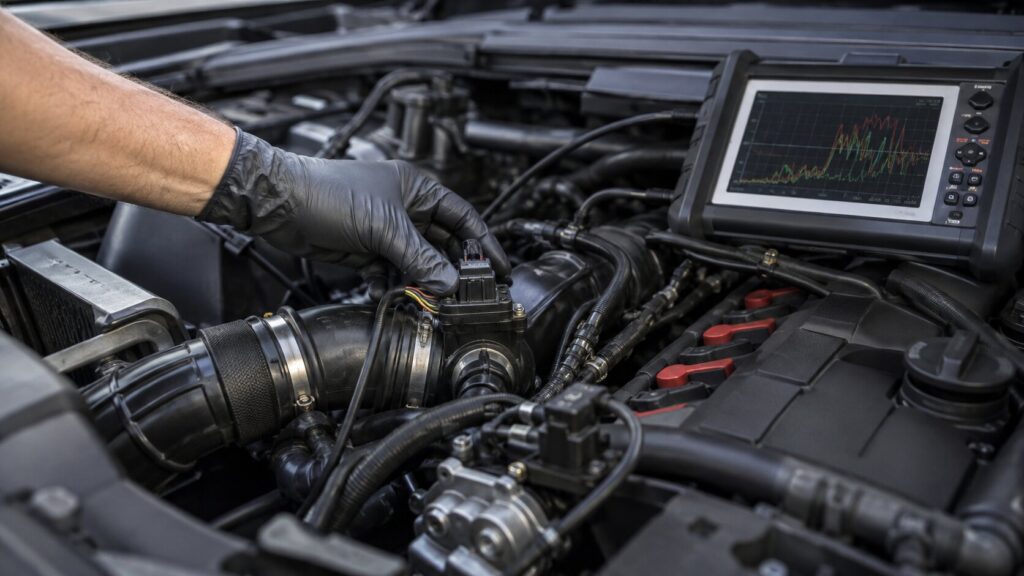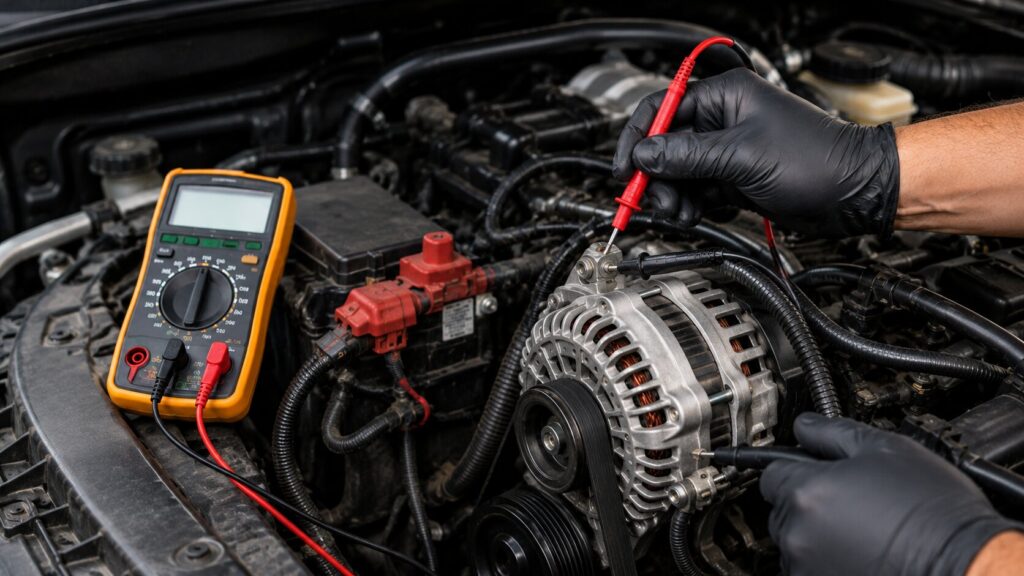
Check Engine Light and Common Car Sensor Problems

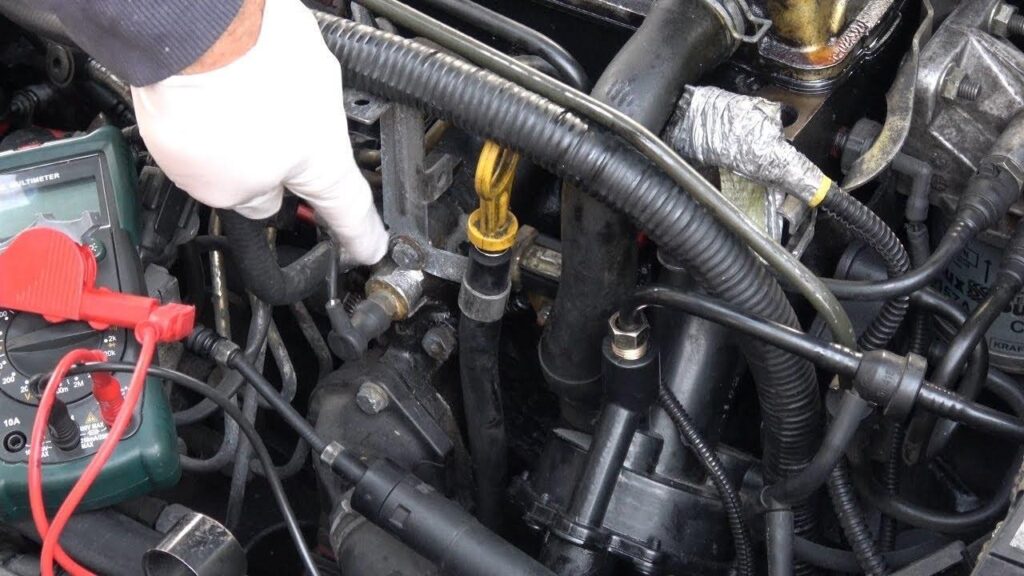
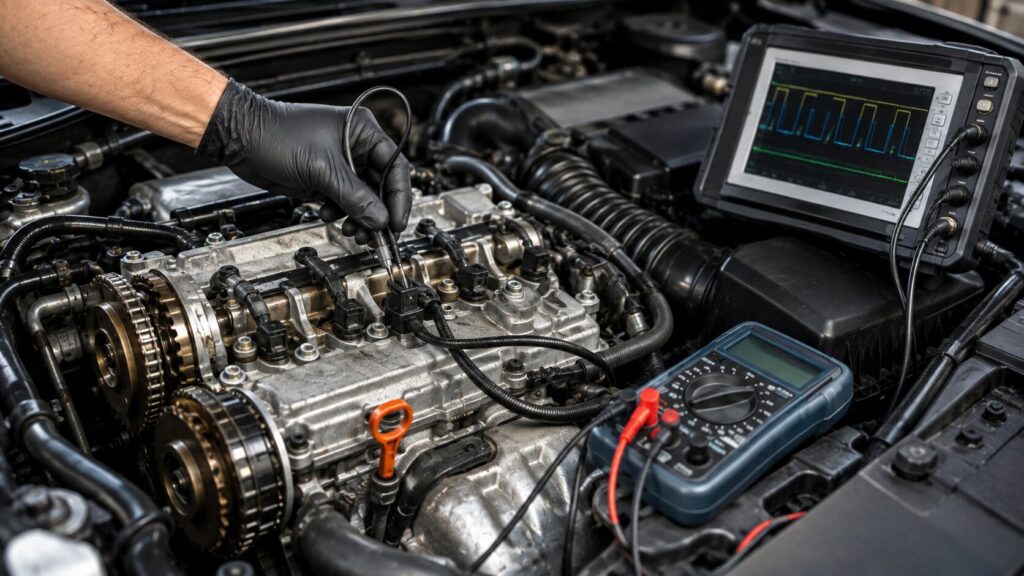
Honda Accord variable timing sensor diagnostics using an oscilloscope and multimeter in Spring Park, MN

Honda Accord Variable Timing Sensor Problems  and Engine Performance

Failing variable timing sensors in Honda vehicles cause acceleration hesitation and rough idling, particularly during extreme sub-zero weather conditions. Isolating the root cause requires backprobing circuit returns with an oscilloscope, verifying cylinder head oil gallery pressure, and measuring internal coil resistance. A bad timing sensor makes Honda Accords stumble and idle rough on cold winter […]

Honda Accord Variable Timing Sensor Problems  and Engine Performance Read More »

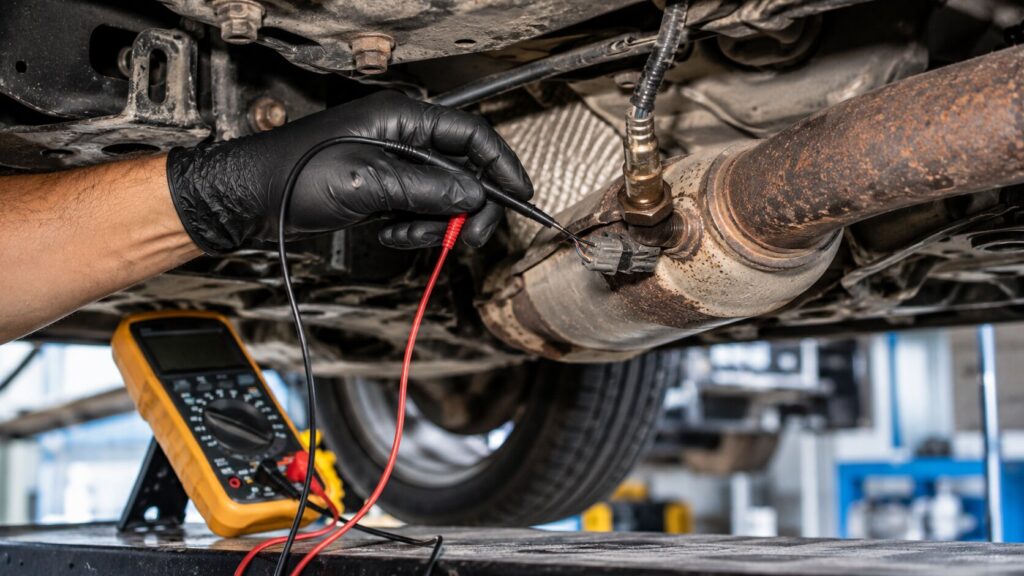
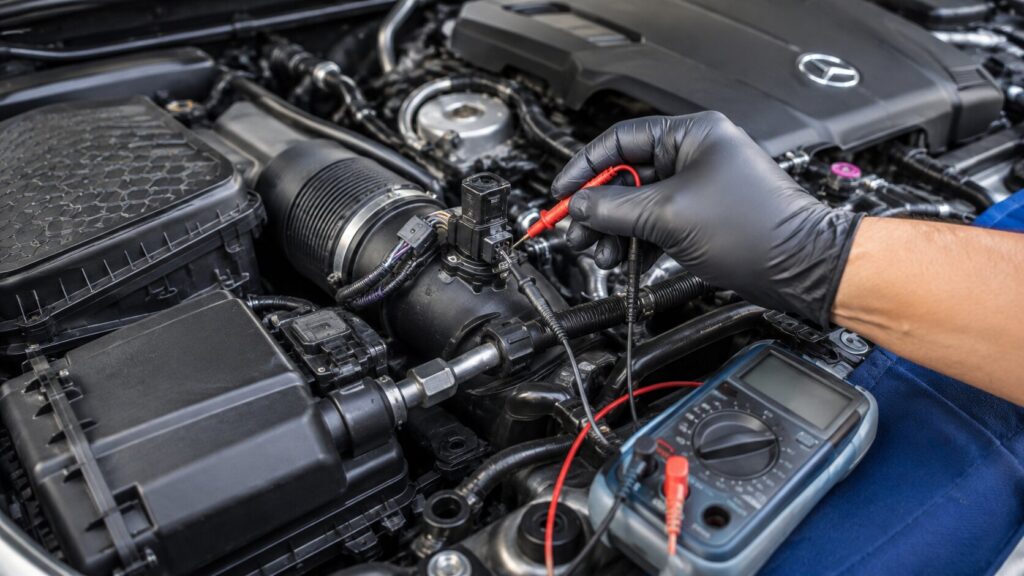
Mercedes IAT sensor diagnostics using a multimeter to test the intake air temperature sensor in Spring Park, MN

Mercedes-Benz Intake Air Temperature Sensor Failure Signs

A failing intake air temperature (IAT) sensor on a direct-injection Mercedes-Benz platform instantly corrupts air density calculations, distorting fuel trims and ignition timing. Recognizing the physics of NTC thermistor fatigue, monitoring real-time voltage drops, and executing precise multimeter back-probes prevents catastrophic catalytic converter meltdown and excessive cylinder-wall fuel wash. When sub-zero cold snaps hit Lake

Mercedes-Benz Intake Air Temperature Sensor Failure Signs Read More »

Audi engine sensor diagnostics for limp mode and boost pressure issues in Spring Park, MN

Fixing Audi Engine Management Sensor Problems and Limp Mode

Audi TFSI engines enter limp mode along Shoreline Drive when lakefront humidity and thermal shock contaminate MAP and MAF sensors. In our shop, we use advanced live data scanning, voltage drop tests, and smoke checks to isolate failures. Early diagnosis prevents costly secondary engine and turbocharger damage. When an Audi TFSI engine suddenly drops into

Fixing Audi Engine Management Sensor Problems and Limp Mode Read More »

Technician inspecting a Volkswagen boost pressure sensor beside a turbocharged 2.0T TSI engine during professional MAP sensor diagnostics.

Volkswagen Boost Pressure Sensor Problems and Turbo Fixes

Volkswagen boost pressure sensor failures cause power loss and limp mode activations, worsened by humidity and carbon fouling. Diagnosing these European turbo systems requires live data logging and voltage drop checks. Professional local diagnostics and component replacement help restore factory performance and protect your engine from costly long-term turbocharger damage. Humidity rising off Lake Minnetonka

Volkswagen Boost Pressure Sensor Problems and Turbo Fixes Read More »

Oil-sludged and clean BMW VANOS solenoids displayed beside a BMW engine during N52 and N55 variable camshaft timing diagnostics.

Why BMW VANOS Sensor Problems Trigger Persistent Check Engine Warnings

Failing variable camshaft timing solenoids trigger check engine warnings during cold commutes on Shoreline Drive. Oil sludge clogs microscopic mesh screens, causing erratic idle and power loss. Advanced live data scanning and physical inspections accurately identify these N52 and N55 timing faults, restoring engine performance and preventing costly secondary mechanical damage before failure occurs. Failing

Why BMW VANOS Sensor Problems Trigger Persistent Check Engine Warnings Read More »

Technician diagnosing a Nissan crankshaft position sensor failure using an oscilloscope and digital multimeter during engine starting system diagnostics.

Nissan Crankshaft Position Sensor Failure and Starting Issues

Nissan crankshaft position sensor failures typically manifest as intermittent stalling or no-start conditions triggered by extreme cold. Rather than simple sensor degradation, these issues often result from thermal cycling, signal drift, and wiring harness resistance. Professional lab-scope diagnostics are essential to verify true signal integrity and prevent unnecessary part replacement.  Nissan crankshaft position sensor problems

Nissan Crankshaft Position Sensor Failure and Starting Issues Read More »

Technician diagnosing a Subaru coolant temperature sensor failure using a scan tool and multimeter during a cold-start engine inspection in Minnesota.

Subaru Coolant Temperature Sensor Failure Repair in Minnesota

Cold starts in Minnesota demand precise sensor data for proper fuel enrichment. When a Subaru coolant temperature sensor failure occurs, the Engine Control Module receives false thermal readings. Incorrect thermal data causes the computer to over-fuel and retard ignition timing, resulting in immediate cold-start stalling and high consumption. Subaru coolant temperature sensor failure causes erratic

Subaru Coolant Temperature Sensor Failure Repair in Minnesota Read More »

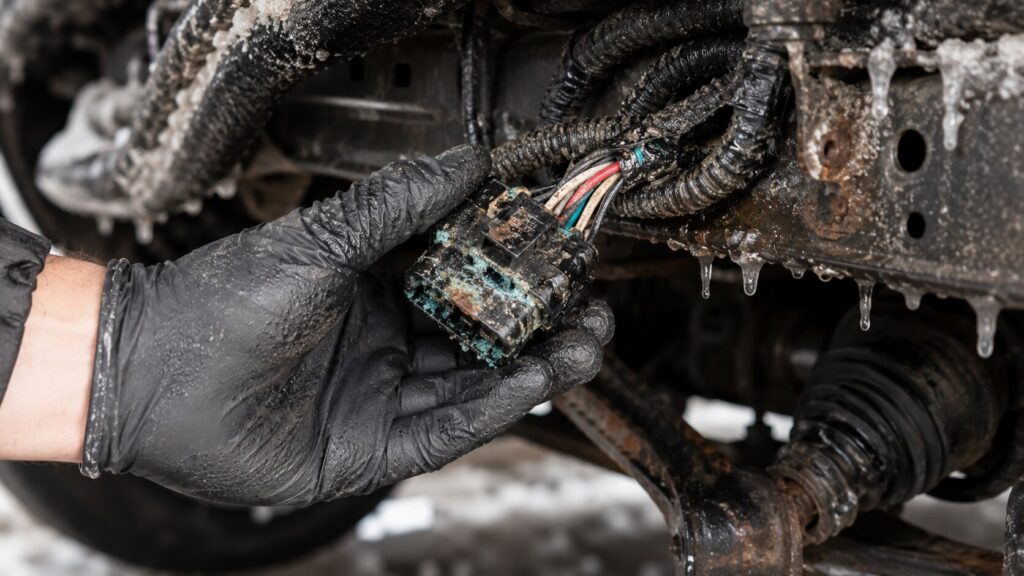
Technician diagnosing Chevy Silverado knock sensor failure symptoms by inspecting the knock sensor wiring harness beneath the intake manifold with professional diagnostic tools.

Chevy Silverado Knock Sensor Failure Symptoms and MN Winter Risks

Chevy Silverado knock sensor failure symptoms include a persistent check engine light, poor acceleration, and increased fuel consumption. In Minnesota, road salt and condensation cause corrosion in the engine valley, damaging the sub-harness and sensors. Confirm the engine management system maintains accurate timing by measuring circuit resistance and voltage drops during load. Hesitation on cold

Chevy Silverado Knock Sensor Failure Symptoms and MN Winter Risks Read More »

Diagnosing GMC Fuel Rail Pressure Sensor Problems

GMC fuel rail pressure sensor problems cause engine hesitation, power loss, and limp mode activation during heavy towing. Failure stems from moisture-induced galvanic corrosion within the sensor pins, leading to signal drift. Diagnosis requires an oscilloscope to verify circuit integrity, 5-volt reference stability, and ground path resistance, distinguishing electrical faults from mechanical fuel system failures.

Diagnosing GMC Fuel Rail Pressure Sensor Problems Read More »

Technician diagnosing GMC fuel rail pressure sensor problems using a multimeter and scan tool during electrical testing in Spring Park, MN.

Diagnosing GMC Fuel Rail Pressure Sensor Problems

GMC fuel rail pressure sensor problems cause engine hesitation, power loss, and limp mode activation during heavy towing. Failure stems from moisture-induced galvanic corrosion within the sensor pins, leading to signal drift. Diagnosis requires an oscilloscope to verify circuit integrity, 5-volt reference stability, and ground path resistance, distinguishing electrical faults from mechanical fuel system failures.

Diagnosing GMC Fuel Rail Pressure Sensor Problems Read More »