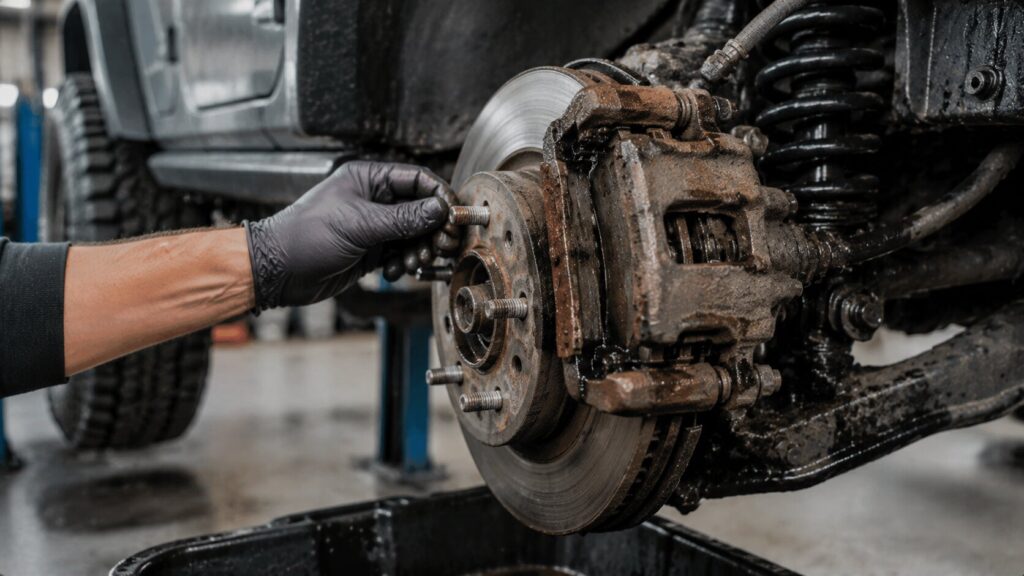
Lake Minnetonka’s winter road salt, snowmelt, and deicing chemicals can accelerate corrosion around Jeep floating calipers and brake hardware. Over time, rust buildup may restrict caliper movement, contribute to uneven pad wear, and affect braking consistency. Open wheel wells and repeated exposure to shoreline moisture can increase the need for regular brake inspections. Removing corrosion buildup, inspecting brake contact points, and applying the correct lubricant helps maintain proper caliper operation throughout Minnesota winters.
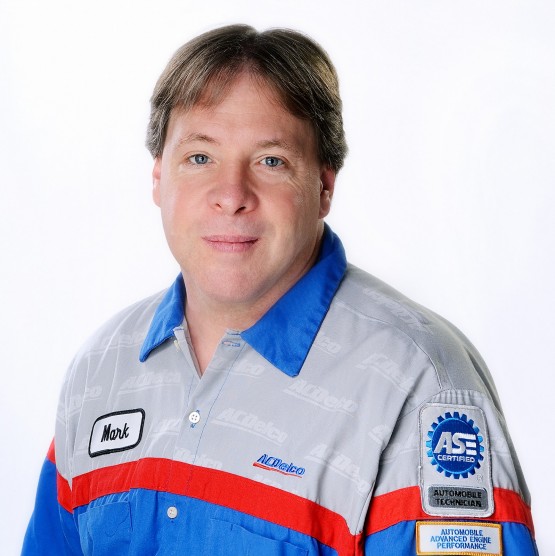
My recent Jeep brake inspections show how Minnesota winter road deicers can gradually affect floating caliper operation. Salt and moisture exposure can cause corrosion around caliper slide pins and brake hardware, restricting movement and contributing to uneven pad wear or braking concerns. By removing corrosion buildup, inspecting brake components, and applying the correct lubricant, we help restore proper caliper movement and protect reliable stopping performance through harsh winter conditions.
How Preventive Brake Maintenance Protects Your Jeep During Minnesota Winters
Winter road salt and snowmelt do not always create immediate brake problems. Over time, corrosion can restrict caliper movement, affect pad wear, and reduce braking consistency. Preventive brake inspections allow technicians to identify rust buildup, worn hardware, and lubrication concerns before they create uneven wear or require more expensive repairs.
Cleaning brake contact points and applying the correct lubricant during routine maintenance helps maintain proper pad movement and allows floating calipers to operate as designed. For Jeep owners around Lake Minnetonka, seasonal brake inspections can help extend component life and reduce the risk of premature caliper replacement.
Why Does Your Grand Cherokee Pull Hard When Braking on Shoreline Drive
Winter driving conditions around the lake basin can increase exposure to road salt and moisture, which may affect brake hardware movement and contribute to uneven braking forces. Stop-and-go driving through winter slush forces corrosive deicing chemicals directly into the tight tolerances of the caliper sliding mechanisms. This localized contamination creates an uneven friction profile across the front axle that disrupts your steering tracking.
I am using a digital micrometer to measure the remaining friction material on a Jeep Grand Cherokee in the shop. The inboard brake pad measures 3.2mm while the outboard pad sits at a much thicker 7.1mm. This significant difference in pad thickness indicates uneven wear and may point to restricted caliper movement or brake hardware concerns that should be inspected.
Sub-Hardware Rust Jacking Freezes Brake Pad Movement
Many drivers immediately suspect a major hydraulic failure when they feel a soft or dropping brake pedal. In reality the issue almost always stems from external mechanical binding caused by aggressive chemical deicers. Road salt and moisture can accelerate corrosion underneath brake hardware clips. As rust buildup expands, it can reduce the clearance between the brake pad ears and bracket, restricting normal pad movement.
This dense salt mist settles directly underneath the stainless steel anti rattle clips and initiates structural iron oxidation. This chemical reaction creates a localized structural pressure known as rust jacking that expands and pinches the brake pad ears tight. This physical freeze prevents the friction material from retracting, keeping the pad riding against the hot rotor face indefinitely.
Open Wheel Wells and Shoreline Humidity Accelerate Slide Pin Seizure
The open design of these classic utility vehicles maximizes axle articulation but leaves the braking system completely exposed. High clearance wheel housings allow atomized salt water to bypass factory splash shields and coat the hydraulic components. This repeated exposure to moisture and road salt can accelerate wear on protective seals and brake hardware.
Overnight parking near the humid lake shorelines creates a damp microclimate that keeps the road salt chemically active. Frozen slush packs around the floating caliper housing and tears the delicate rubber guide pin boots during cold morning starts. Damaged guide pin boots can allow moisture and contaminants into the slide pin area, increasing corrosion risk and restricting caliper movement over time.
Red Flags of Lake Minnetonka Salt Damage on Jeep Brakes
Because utility vehicles feature high-clearance wheel housings, road brine continuously coats the internal braking components. If your daily commute involves the damp shoreline microclimate of the lake basin, watch out for these distinct warning signs of caliper binding and rust jacking:
- Asymmetric Steering Pull: The vehicle may pull to one side during braking when uneven pad wear or restricted caliper movement creates different braking forces.
- A Spongy, Dropping Pedal: Excessive brake drag can create additional heat that may affect brake component life and, in severe cases, brake fluid performance.
- Excessive Wheel Rim Heat: When friction material fails to pull away from the spinning rotor face, intense localized heat quickly radiates from the affected front wheel hub.
- Rapid Inboard Pad Depletion: A digital micrometer inspection reveals that the inner brake pad is worn down to the steel backing plate while the outer pad remains thick, blowing past the factory 1.5mm variation limit.
- A Sustained Metallic Squeal: A high-pitched dragging noise persists even when your foot is completely off the brake pedal, signaling that frozen slush or expanded rust scale has pinned the pad ears solid.
Restoring Proper Brake Function After Winter Corrosion
During brake service, corrosion buildup is removed from brake hardware contact points to help restore normal pad and caliper movement. After cleaning and lubrication, the system is inspected to confirm proper operation, even pad wear, and consistent braking performance.
When needed, additional measurements are performed to verify that related brake components are within proper operating specifications. Applying the correct lubricant to caliper slide points and reinstalling components according to manufacturer guidelines helps reduce the risk of uneven wear and recurring brake concerns after harsh Minnesota winters.
Notice uneven brake wear, unusual noises, or changes in pedal feel after a harsh Minnesota winter? Visit Certified Auto Repair at 4700 Shoreline Drive, Spring Park, MN 55384 for a professional brake inspection. Our team can identify corrosion, hardware wear, and lubrication concerns early to help maintain reliable Jeep braking performance.
Frequently Asked Questions
Do Jeep brakes squeak after driving through winter slush?
Yes. This noise is caused by road salt and frozen slush entering the brake hardware slots. Abrasive road debris scores the face of the spinning rotor or prevents normal pad retraction within the anchor assembly, creating constant drag that manifests as a sustained, high-pitched metallic squeal across your front axle.
How often should Jeep slide pins be lubricated in Minnesota?
At least once a year. Packing the guide pins during autumn prep or post-winter maintenance is critical to counteract Hennepin County’s liquid magnesium chloride. Delaying maintenance can allow corrosion and contamination to affect guide pin movement and brake hardware operation.
What is rust jacking on a brake caliper bracket?
Rust jacking occurs when corrosion builds up underneath brake hardware and creates pressure that restricts normal pad movement. This accumulating rust layer swells and firmly pinches the brake pad ears, locking the pad into a fixed position and causing severe, localized caliper binding.
Can road salt cause a Jeep steering wheel to shake when braking?
Yes. Road salt causes caliper slide pins to seize, which forces uneven pad pressure against the rotor face. The resulting severe overheating excessive heat can contribute to rotor surface changes and uneven braking performance.
Is brake fluid replacement necessary after a harsh winter season?
Yes. If your Jeep experienced caliper binding due to salt corrosion, the intense heat transfer can easily push hydraulic fluid past its boiling point. This extreme thermal breakdown introduces moisture and air pockets into the hydraulic lines, destroying pedal firmness and requiring a full system flush.