Engine tune-ups help vehicles maintain smooth performance, fuel efficiency, and long-term engine health. They correct small but important issues in ignition, fuel delivery, and airflow before they develop into larger problems. For Spring Park drivers, tune-ups are a practical way to avoid unexpected breakdowns and keep vehicles dependable year-round.
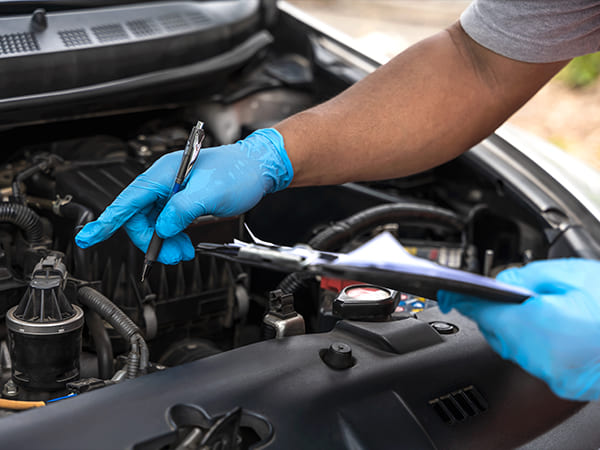
Why Engine Tune-Ups Still Matter Today
Many drivers believe tune-ups are obsolete because modern cars are packed with computers, sensors, and warning lights. While that technology is impressive, it doesn’t change one fact: engines still wear down just as they always have.
Spark plugs wear out, fuel injectors accumulate deposits, and air passages slowly collect carbon. These changes happen gradually, so the car often still feels fine—but efficiency is slipping and engine stress is increasing.
From our experience, tune-ups aren’t about fixing what’s broken. They’re about correcting what’s drifting out of range before it becomes a problem you can’t ignore.
How an Engine Tune-Up Actually Works
A tune-up isn’t one specific repair. It’s a review of how well the engine is doing its basic job: mixing air and fuel and igniting it at the right time.
That usually means checking areas like:
- Ignition components such as spark plugs and coils
- Fuel delivery, including injectors and fuel balance
- Airflow, from the air filter to the throttle body
- Engine data inputs, like sensors the computer relies on
The goal isn’t to replace parts just because they exist. It’s to find what’s worn, dirty, or no longer working as intended—and correct it.
Engine Issues Seen When Tune-Ups Are Delayed
Most engine issues don’t show up as sudden failures. They build slowly.
Spark plugs lose efficiency, fuel spray patterns degrade, and carbon buildup restricts airflow. In response, sensors compensate for conditions that shouldn’t require correction—masking problems rather than solving them.
Individually, these issues don’t always trigger warning lights. Together, they quietly affect performance, fuel economy, and reliability.
Symptoms Drivers Notice vs. What’s Really Happening
Drivers usually feel the symptoms first:
- The car doesn’t accelerate like it used to
- Fuel mileage drops for no clear reason
- The engine idles rough or feels inconsistent
- Cold starts take longer than normal
What’s causing those symptoms is often less obvious. Weak spark, incorrect fuel mixture, or restricted airflow can all produce similar behavior. A proper tune-up looks past the symptom and focuses on the underlying cause.
Why Preventive Tune-Ups Make Sense
Engines follow patterns. Wear happens predictably. When issues are addressed early, repairs stay straightforward.
Waiting until the vehicle breaks down changes everything. What could have been corrected with maintenance turns into component failure. Costs rise. Downtime becomes unavoidable.
A tune-up is planned maintenance. A breakdown is forced repair. Most drivers would rather choose the first option.
Cost, Risk, and Downtime — The Practical Side
From a practical standpoint, tune-ups help control:
- Costs, by preventing secondary damage
- Reliability, by reducing unexpected failures
- Time, by avoiding inconvenient repairs
Skipping maintenance doesn’t eliminate expense—it just postpones it until the situation is more disruptive.
What Spring Park Driving Conditions Do to Engines
Local driving habits matter more than people realize. In Spring Park, we regularly see vehicles that:
- Take short trips that don’t fully warm the engine
- Experience wide temperature swings throughout the year
- Sit longer during certain seasons
These conditions allow deposits to build faster and components to wear unevenly. Vehicles driven mostly around town often benefit the most from periodic tune-ups because they don’t get the extended highway operation that naturally burns off buildup.
The Purpose of Regular Engine Tune-Ups
Keeping the Engine in Balance
At its core, a tune-up restores balance. Engines run best when air, fuel, and spark are working together the way they were designed to. When that balance shifts, performance and efficiency drop.
Preventing Small Problems From Spreading
When one system compensates for another, wear accelerates. Tune-ups stop that chain reaction early.
Supporting Long-Term Engine Life
Clean combustion reduces heat, stress, and internal wear. That matters if you plan to keep your vehicle for the long haul.
Improving Everyday Driving
Most drivers notice smoother starts, steadier idling, and better throttle response after a tune-up. It’s not dramatic—but it feels right.
DIY Engine Maintenance vs. Professional Evaluation
Some tasks are simple. Air filters and basic spark plug replacements are within reach for many drivers.
The challenge is diagnosis. Modern engines rely on data interpretation, not trial and error. Knowing why an engine hesitates or burns more fuel requires testing, experience, and context.
A professional tune-up isn’t about replacing parts blindly. It’s about understanding what the engine is actually telling you.
Common Misunderstandings About Engine Tune-Ups
- “If it runs, it’s fine.”
Many engines run poorly long before they fail. - “Tune-ups don’t apply to newer cars.”
The name may be old, but the need isn’t. - “The check engine light will warn me.”
Some of the most damaging issues never trigger a light.
What Happens When Tune-Ups Are Ignored
Over time, neglected maintenance leads to:
- Higher fuel consumption
- Increased emissions strain
- Premature component failure
- More expensive repairs later
Engines rarely fail suddenly. They usually warn you quietly first.
Real-World Example of How Tune-Ups Restore Efficiency
A vehicle comes in with declining fuel mileage and no warning lights. Diagnostics show the engine compensating for airflow restriction and weakened ignition. A tune-up corrects the imbalance. Fuel economy improves. No major parts needed.
The issue had been developing slowly for years.
Confirming Engine Tune-Up Needs Professionally
If you’re unsure whether your vehicle could benefit from an engine tune-up, Certified Auto Repair can provide a professional evaluation to confirm what your engine actually needs, based on real data and local driving conditions. Scheduling a professional evaluation allows you to make informed decisions based on accurate engine data.
Frequently Asked Questions
How often should an engine tune-up be done?
There’s no universal schedule. Driving habits, mileage, and engine design all matter.
Can skipping tune-ups cause long-term damage?
Yes. Small inefficiencies place extra stress on engine and emissions components.
Is a tune-up the same as fixing a warning light?
No. A tune-up focuses on overall engine health, not just a single fault.
Will a tune-up improve fuel economy?
Often, especially when inefficiencies have built up over time.
Is it better to wait until something feels wrong?
Waiting usually increases repair complexity and cost.
The Long-Term Value of Regular Engine Tune-Ups
Engine tune-ups serve a simple but important purpose: keeping engines running the way they were meant to. By correcting small issues early, tune-ups support efficiency, reliability, and long-term vehicle health. A proactive approach keeps maintenance predictable and avoids unnecessary surprises down the road.