Engine air filters prevent airborne contaminants from entering the combustion chamber, ensuring optimal fuel efficiency and engine longevity. Over time, debris restriction reduces airflow, leading to decreased power and potential sensor damage. Regular inspections are essential in varying climates to maintain engine performance and avoid costly internal wear.
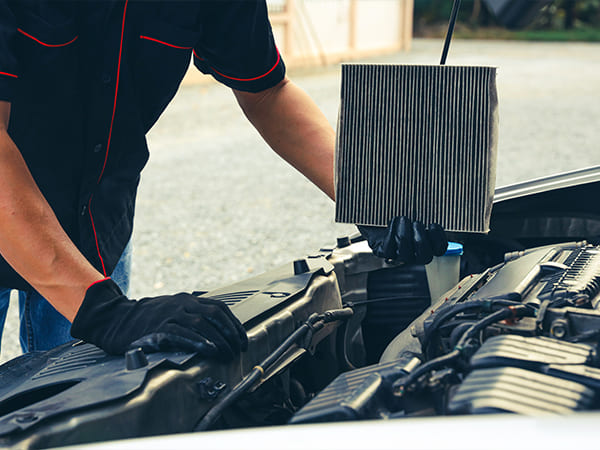
Why the Engine Air Filter Matters
The engine air filter is the first line of defense for a vehicle’s internal components. An internal combustion engine requires a precise mixture of fuel and air to operate. For every gallon of fuel burned, the engine consumes nearly 10,000 gallons of air. If that air contains dust, pollen, or road debris, those particles act as an abrasive, prematurely wearing down piston rings, cylinders, and valves.
Understanding Your Engine Air Filtration System
Most modern vehicles use a pleated paper filter housed in a sealed plastic box connected to the intake manifold. As air is vacuumed into the engine, it passes through the multi-layered fibrous material. This material is designed to trap microscopic particles while allowing maximum airflow. As the filter reaches its holding capacity, the “pores” in the paper become clogged, forcing the engine to work harder to breathe.
Symptoms of a Clogged Engine Air Filter
Identifying a bad air filter isn’t always as simple as looking for dirt. Modern engine computers are adept at compensating for reduced airflow, which can mask symptoms until the restriction is severe.
- Reduced Fuel Economy: In older carbureted engines, a dirty filter caused a rich fuel mixture. In modern fuel-injected vehicles, the computer adjusts, but you may still notice a slight dip in MPG as the engine struggles with efficiency.
- Engine Hesitation: If you notice a stumble or “flat spot” during acceleration, it often indicates the engine isn’t getting the immediate volume of oxygen required for a sudden increase in RPM.
- Unusual Engine Sounds: When a filter is heavily restricted, you might hear a sucking or whistling sound as the engine attempts to pull air through any available gap.
- Service Lights: A severely clogged filter can trigger a Check Engine light, often related to Mass Air Flow (MAF) sensor errors or “lean” codes.
When Engine Air Filter Service Is Needed
Standard Intervals
Most manufacturers recommend replacement every 12,000 to 15,000 miles. However, this is a baseline. In reality, the lifespan of a filter is determined entirely by the environment in which the vehicle is driven.
The Impact of Spring Park Conditions
In our region, environmental factors play a significant role in filter longevity. We frequently see filters reach capacity much faster due to:
- Seasonal Pollen: During the spring thaw and bloom in Minnesota, high concentrations of pollen can quickly “cake” a filter.
- Road Salt and Sand: Winter road treatments create fine dust once the roads dry, which is easily ingested into the intake system.
- Dirt Roads: If your daily commute involves unpaved roads near Lake Minnetonka or surrounding rural areas, your filter may need service twice as often as a vehicle driven strictly on highways.
Visual Inspection Limitations
A common misconception is that if a filter looks white, it is “clean.” Many fine particulates, such as soot or microscopic silica, can clog the fibers without dramatically changing the color of the paper. Conversely, a filter that looks slightly gray may still have plenty of flow. A professional technician tests the filter by checking for light translucency and inspecting the pleat depth for heavy debris.
Risks of Ignoring the Filter
If a filter is ignored long enough, several failures can occur:
- Turbocharger Damage: In turbocharged engines, a restricted intake puts immense strain on the turbo, potentially leading to seal failure.
- MAF Sensor Contamination: If a filter fails or is installed incorrectly, debris can coat the delicate wire of the Mass Air Flow sensor, leading to poor shifting and stalling.
- Engine Longevity: Long-term ingestion of fine dust acts like sandpaper on the engine’s internals, leading to a loss of compression over time.
Professional vs. DIY Engine Air Filter Replacement
While air filter replacement is a common DIY task, modern engine bays are increasingly cramped. Some filters require the removal of several sensors or specific housing clips that are easily broken.
A professional inspection ensures the air box is cleaned of debris (like nesting rodents, which we often find in local vehicles) before the new filter is seated. If the seal isn’t perfect, “dirty air” bypasses the filter entirely, rendering the new part useless.
Identifying the Need for Expert Air Filter Service
If you are unsure of your last service date or have noticed a change in your vehicle’s performance, having a professional at Certified Auto Repair inspect your intake system can provide clarity on your engine’s health. To ensure your vehicle is operating with optimal airflow, you can contact us to coordinate a routine inspection at your convenience.
Frequently Asked Questions
How often should I check my air filter in Minnesota?
We recommend an inspection at every oil change. Given our dusty springs and salt-heavy winters, a filter can go from clean to clogged in a single season.
Can I just blow out my air filter with compressed air?
This is not recommended. Compressed air can tear the microscopic fibers of the paper or enlarge the pores, allowing dirt to pass directly into the engine. Replacement is the only safe solution.
Does a dirty air filter affect the car’s AC?
No. The engine air filter is strictly for the engine. Your cabin air filter is responsible for the air you breathe inside the car. They are two separate systems.
Will a clogged air filter cause my car not to start?
While rare, an extremely clogged filter can starve an engine of enough oxygen for combustion, leading to a “crank but no start” condition or immediate stalling.
What happens if the air filter is installed backwards?
Most filters are keyed to fit only one way, but if forced, a backwards filter will not seal correctly. This allows “blow-by,” where unfiltered air enters the engine, and the pleats may collapse under the pressure of the intake vacuum.
Protecting Your Engine With Proactive Service
The engine air filter is a simple component with a critical job. Maintaining a clean filter is one of the most cost-effective ways to protect your engine from internal wear and maintain optimal fuel efficiency. By staying proactive with inspections—especially during the transition between Minnesota seasons—you ensure your vehicle remains reliable for the long haul.