A bad Engine Coolant Temperature (ECT) sensor tricks your car’s computer into thinking the engine is freezing cold, even when it isn’t. In places like Spring Park, MN, this causes hard starts, black smoke, and long-term engine damage because the engine gets flooded with too much gas.
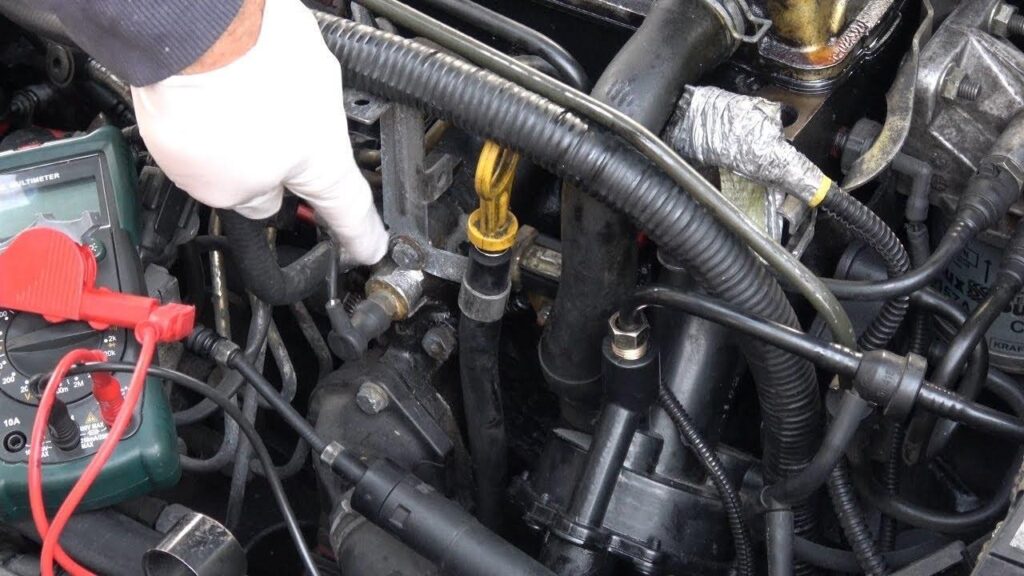
When autumn temperatures drop in Spring Park, Minnesota, a failing Engine Coolant Temperature (ECT) sensor ruins cold starts. If your car cranks too long or smells like raw gas on freezing mornings, your cooling system is usually to blame. Vehicles parked near Lake Minnetonka deal with massive temperature swings that stress the sensor’s internal parts. When it breaks, it blinds the computer, forcing the engine to run on a constant, overly rich fuel mixture.
What is an Engine Coolant Temperature Sensor
This sensor acts as a variable resistor using a tiny thermistor. The car’s computer sends a steady 5-volt signal to it and measures what comes back to figure out how hot the engine is and how much gas the injectors should spray. When it works right, the voltage changes smoothly as the engine warms up, keeping your air-fuel mix balanced.
How Lake Minnetonka Winters Damage Sensors
The weather around Spring Park is tough on electronics. When sub-zero winds blow off the lake, the metal housing, rubber seals, and internal ceramic parts all shrink at different speeds. As the temperature plunges, tiny cracks form in the ceramic, letting everyday moisture creep inside.
Overnight, that trapped water freezes and expands, turning tiny cracks into real electrical failure. When you turn the key the next morning, the broken sensor sends a false reading claiming it is a freezing negative 40 degrees. Thinking the engine is stuck in an arctic blast, the computer dumps extra raw gas into the cylinders.
Because we see a lot of heavy idling near the lake access points, these sensors don’t just fail from startup shock—they also fail from “heat soaking” in high humidity, which rots the connector pins. This mix of internal cracking and external corrosion is why these sensors suddenly flat-line during a cold snap.
Signs Your Coolant Sensor Is Failing
- Longer Crank Times: Your starter has to spin the engine much longer before it finally fires up.
- Strong Gas Smell: You smell unburnt gasoline around the car on cold mornings because the computer is over-fueling the cylinders.
- Rough Idle and Stalling: The engine shakes, stumbles, or dies right after starting because the gas mixture is way too heavy.
- Black Smoke: You see dark smoke puffing from the tailpipe as excess fuel burns off in the exhaust.
Our Professional Diagnostic Testing Process
When a car comes into our bay with rough cold-start issues or temperature codes, I skip the guesswork and use specialized tools:
- Baseline Temperature Check: I plug in a professional scan tool before starting the engine to make sure the coolant, intake air, and cylinder head sensors all match the outdoor temperature within two degrees. (If the scan tool jumps straight from -20°F to +180°F in a single second, don’t check the wires—the internal ceramic is cracked and the sensor is dead.)
- Multimeter Voltage Test: I use a digital meter to test the signal wire, making sure a cold engine sends back a high voltage between 4.2V and 4.5V.
- Oscilloscope Waveform Check: For tricky problems, I use a diagnostic screen to watch electrical waves in real time, looking for sudden drops or flat lines that prove the sensor is failing.
- Warm-Up Tracking: I watch live computer data as the engine heats up to confirm the signal drops smoothly so the computer can switch the engine back to normal running mode.
The Risks of Cylinder Wash and Diluted Oil
Over-fueling leads directly to fouled spark plugs, heavy black smoke, and cylinder wash—where raw gasoline strips the protective oil film right off your cylinder walls. Continually washing your cylinders wears down your piston rings, dilutes your engine oil, and puts an intense thermal strain on your catalytic converter. Replacing a bad sensor is cheap and easy; ignoring it forces your engine to run on a permanent, overly rich fuel mix that will eventually destroy your catalytic converter and ruin your oil.
Protecting Your Engine from Cold-Start Damage
Simply clearing dashboard codes with a basic scanner never resolves the underlying moisture intrusion that actually destroyed the sensor’s fragile internal ceramics. A proper repair requires tracking down exactly where the lakefront humidity breached the wiring harness to ensure the new component is completely waterproofed. Sealing the replacement sensor correctly using dielectric grease prevents the exact same cold-weather failure from recurring during the next freeze.
Continuing to drive with a corrupted temperature reading forces a rich fuel mixture that will inevitably foul your spark plugs and permanently damage your catalytic converter. We utilize digital oscilloscopes and live data logging to verify that your new sensor is communicating flawless data back to the engine computer. To have your cold-start fuel mixture and sensor signals professionally tested, bring your vehicle to Certified Auto Repair at 4700 Shoreline Drive, Spring Park, MN 55384.
Frequently Asked Questions
Can a bad coolant temperature sensor cause a car not to start in winter?
Yes. It sends the wrong temperature data to the computer, which causes the engine to inject the wrong amount of fuel needed for a cold start.
Will a bad coolant temperature sensor turn on the check engine light?
Yes. A failing sensor usually triggers a check engine light and saves trouble codes related to engine temperature in the computer memory.
Does a coolant temperature sensor affect fuel economy?
Yes. It tricks the computer into thinking the engine is still cold, leading to a constant, overly heavy fuel mix that burns through extra gas.
Can I drive my car with a broken coolant temperature sensor?
No. Driving with a broken sensor causes a bad fuel mix that can foul your spark plugs, dilute your engine oil with raw gas, and ruin your catalytic converter.