Spring Park drivers know how quickly Minnesota weather can swing from freezing mornings to warm afternoons. Those temperature changes are tough on vehicles, especially Toyotas with aging cooling system components. Toyota radiator leaks in Spring Park, MN are one of the most common issues local drivers bring into the shop once winter fades and spring driving picks up.
Radiator leaks often start small, but they rarely stay that way. Understanding what causes them—and how they’re properly repaired—can help you avoid breakdowns, overheating, and unexpected repairs during the busy spring travel season.
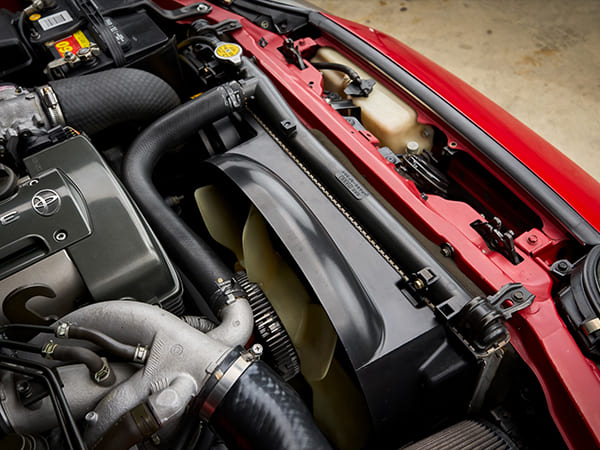
What Is a Toyota Radiator Leak and Why It Matters Locally
A Toyota radiator leak happens when coolant escapes from the radiator or its connections instead of circulating through the engine as designed. The radiator’s job is to regulate engine temperature by releasing heat through thin metal fins while coolant flows inside sealed channels.
In Spring Park, MN, radiator leaks are more common due to:
- Repeated freeze–thaw cycles
- Road salt corrosion
- Long winter storage followed by spring driving
- Older Toyotas still running original cooling components
When coolant levels drop, engines run hotter. Even short trips around Lake Minnetonka can become risky if the cooling system isn’t sealed properly.
Common Causes of Toyota Radiator Leaks in Spring Park, MN
Based on real-world shop experience, these are the most frequent causes seen locally:
Cracked Plastic Radiator Tanks
Most Toyotas use radiators with metal centers and plastic sides. After years of Minnesota winters, that plastic can get brittle. Tiny cracks form over time, and once the weather warms up in spring, those cracks can slowly open and start leaking coolant.
How it’s fixed:
Once those plastic tanks crack, there really isn’t a dependable patch. The right fix is replacing the radiator. That way, the cooling system can hold pressure again without the crack spreading every time the engine heats up.
Corroded Radiator Fins
During winter, road salt and moisture stick to the radiator fins. By the time spring arrives, that buildup can start eating away at the thin metal. These leaks are tricky because they often only show up once the engine gets hot and pressure builds.
How it’s fixed:
When corrosion eats into the radiator fins, replacement is usually the only fix that lasts. Trying to seal or patch corroded metal doesn’t hold up once the engine gets hot and coolant pressure builds.
Worn Radiator Hoses
Cold weather is hard on rubber hoses. They stiffen up over the winter, and when spring heat returns, weak spots can split or start leaking where the hose connects to the radiator or engine.
How it’s fixed:
If a hose is leaking or feels stiff and brittle, it gets replaced. New hoses are built to handle temperature changes, and it’s common to check the other hoses at the same time so another leak doesn’t pop up later.
Loose or Failed Hose Clamps
Metal clamps expand and shrink as temperatures change. After months of that back-and-forth, clamps can loosen just enough to let coolant seep out—especially when the engine warms up.
How it’s fixed:
Loose or rusty clamps are swapped out for new ones that keep steady tension as temperatures change. That stops those annoying slow leaks that only show up once the engine is fully warmed up.
Damaged Radiator Cap
The radiator cap helps control pressure in the cooling system. When it wears out, it can’t hold pressure properly, so coolant escapes through the overflow even though nothing else looks cracked or broken.
How it’s fixed:
A worn radiator cap is a simple fix. Replacing it with the correct pressure-rated cap lets the cooling system work the way it should and keeps coolant from escaping through the overflow.
Toyota Radiator Leak Repair Steps Explained Simply
Here’s how Toyota radiator leak repair is typically handled by experienced technicians:
- Cooling System Pressure Test
We start by pressurizing the cooling system. This helps expose leaks that don’t show up when the engine is cold or just sitting in the driveway. - Visual and Dye Inspection
Next, we take a close look at the radiator and hoses. In some cases, a UV dye is added so even the smallest leaks along seams or connections are easier to spot. - Component Assessment
Once the leak is visible, we check where it’s coming from. That tells us whether the issue is the radiator itself, a hose, a clamp, or another cooling system part like the thermostat housing. - Repair or Replacement Decision
After identifying the problem, we explain what needs to be fixed. Small hose or clamp issues can often be repaired, but cracked radiators usually need to be replaced to avoid repeat leaks. - Coolant Flush and Refill
When repairs are complete, old or contaminated coolant is flushed out and replaced with the correct Toyota-approved coolant. - System Bleeding and Final Test
Finally, we remove any trapped air and test the system again to make sure it holds pressure and stays at a stable temperature during normal driving.
A Real-Life Example of a Toyota Radiator Leak in Spring Park
A Spring Park resident brought in a Toyota Camry after noticing a sweet smell and a small puddle under the car after it sat overnight. At first, everything seemed normal because the leak only appeared after about 20 minutes of driving.
After pressure-testing the cooling system, the issue turned out to be a cracked upper radiator tank—something commonly seen after harsh Minnesota winters. Since the leak wasn’t visible when the engine was cold, it’s easy to understand why many drivers miss early warning signs. Once the radiator was replaced and the system flushed, the Camry returned to steady operating temperatures, even in stop-and-go traffic near the lake.
Trusted Industry Guidance on Cooling Systems
The National Institute for Automotive Service Excellence (ASE) emphasizes routine cooling system inspections, especially after winter. Toyota’s own maintenance guidelines recommend checking coolant condition and radiator components annually in cold-weather regions.
These recommendations exist because small cooling issues often escalate quietly. Spring inspections catch problems before summer heat adds stress.
Trusted Toyota Radiator Leak Repair in Spring Park
Toyota radiator leaks in Spring Park, MN are often the result of weather stress, aging materials, and winter road conditions. Knowing the causes and proper repair steps helps you recognize warning signs early and avoid bigger problems later.
At Certified Auto Repair, our technicians combine ASE certification, hands-on experience, and factory-level diagnostic tools to service nearly all vehicle makes, including Toyota. We focus on accurate repairs, clear explanations, and dependable cooling system solutions—so you can drive with confidence through every Minnesota season. If your Toyota shows signs of a radiator leak, a professional inspection is a smart next step.
Contact us today to have your cooling system checked by a trusted local team.
FAQs
How can I tell if my Toyota radiator is leaking?
You might notice a small puddle under your car, a low coolant warning, the temperature creeping up, or a sweet smell after driving. Those are often the first clues that coolant is escaping.
Is it safe to drive with a small radiator leak?
It might seem okay for short trips, but radiator leaks tend to get worse without much warning. Even a small leak can turn into an overheating problem quickly.
How long does Toyota radiator leak repair take?
In most cases, radiator replacement takes about two to four hours. The exact time depends on your Toyota model and how easy the leak is to access.
Does cold weather cause radiator leaks?
Yes, cold temperatures can be tough on plastic and rubber parts. After a long winter, cracks and weak spots often show up once things start warming up.
Should coolant be replaced after radiator repairs?
Yes, replacing the coolant is part of doing the job right. Fresh coolant helps control engine temperature and protects the cooling system from corrosion.