Owning a Toyota hybrid in Spring Park, MN is great for everyday driving — especially with all the local trips, lakeside roads, and commuting between nearby towns. But sooner or later, most drivers start wondering what’s different about Toyota hybrid maintenance in Spring Park, MN, and whether these vehicles need special care as they rack up miles.
A lot of hybrid owners tell us the same thing: the car feels reliable, but the technology seems a little mysterious. That’s completely understandable. Toyota hybrids are dependable, but they do have a few systems that benefit from regular attention — especially in our Minnesota climate.
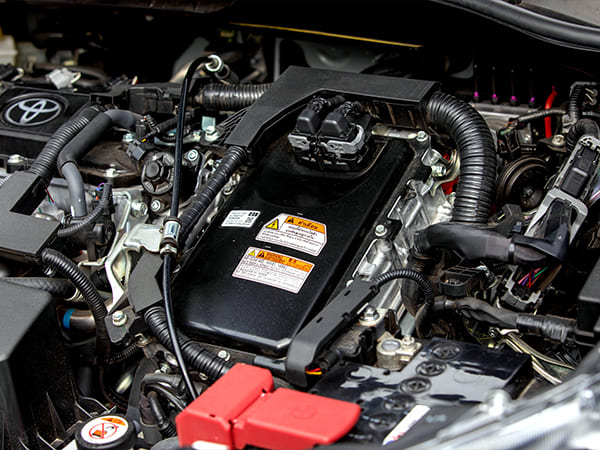
Getting to Know the Toyota Hybrid System
A Toyota hybrid uses a gasoline engine, one or more electric motors, and a high-voltage battery that all work together. The system switches power sources depending on speed, throttle, and driving conditions. When we talk about Toyota hybrid maintenance, we’re mainly focusing on things like the battery cooling system, inverter, cooling fluids, and brake system performance.
In Spring Park, MN, this matters a bit more than in mild-weather states. Cold winters, warm summers, road salt, and temperature swings can affect how hybrid components age. Routine inspections help keep everything working smoothly so the vehicle continues to drive the way you expect.
Key Toyota Hybrid Maintenance Areas Drivers Should Keep an Eye On
Here are some of the services that tend to make the biggest difference for long-term Toyota hybrid reliability in our area.
Hybrid Battery Cooling System Care
This includes:
- Cleaning the cooling fan and air ducts
- Checking for debris buildup
- Inspecting the cabin filter that feeds the battery duct
It’s especially helpful for families with pets, rideshare drivers, or frequent short-trip driving.
Inverter & Hybrid Coolant Service
The inverter controls the flow of electrical power between the motor and the battery. Over time, coolant can break down and lose protective qualities.
Typical service includes:
- Inspecting inverter coolant condition
- Checking engine coolant system
- Flushing coolant when recommended
This helps protect electrical components during Minnesota’s colder months and warmer seasons.
Brake System Inspection on Toyota Hybrids
Hybrids use regenerative braking, which often allows brake pads to last longer — but they can also develop rust or uneven wear.
A good hybrid brake inspection will look at:
- Pad and rotor condition
- Brake fluid health
- Regenerative braking performance
Catching concerns early keeps braking consistent and predictable.
Engine Maintenance
Even though the electric motor handles part of the workload, the gas engine still needs maintenance such as:
- Oil services
- Spark plug inspections
- Intake and fuel system checks
Because hybrid engines cycle differently, clean oil becomes even more important over time.
Why Paying Attention to Hybrid-Specific Maintenance Is Worth It
When a Toyota hybrid is maintained properly, drivers tend to notice:
- Consistent performance and smoother acceleration
- Fewer unexpected issues over time
- More dependable hybrid battery operation
- Better protection for electrical and cooling components
Toyota’s hybrid engineering is impressive — but like any advanced system, it performs best when the right services are done at sensible intervals.
Industry guidance from organizations such as the U.S. Department of Energy and Toyota technical resources shows that hybrid reliability is closely tied to cooling performance, airflow to the battery, and proper brake system care. Those areas are especially important in places with long winters and seasonal shifts, like Minnesota.
Real-World Example: A Common Toyota Hybrid Issue
A Spring Park driver came in with a Toyota hybrid that still ran fine, but they noticed a slight noise near the back seat and a drop in fuel efficiency. Nothing major — just a feeling that something wasn’t quite right.
During a hybrid inspection, the problem turned out to be a clogged hybrid battery cooling fan. Dust and pet hair had restricted airflow, which caused the battery to run warmer than normal.
Once the fan and vent duct were cleaned — and the related cabin filter was replaced — the car felt noticeably smoother again. Situations like this are pretty common with Toyota hybrid maintenance in Spring Park, MN, and fixing them early can prevent bigger issues later.
Research-Backed Insight: What the Data Says About Hybrid Care
Findings from the U.S. Department of Energy, AAA Automotive Research, and long-term data from Consumer Reports consistently show:
- Hybrids usually experience less brake wear due to regenerative braking
- Cooling and airflow maintenance helps hybrid batteries last longer
- Preventive inspections reduce the chance of major hybrid system failure
These insights support the idea that scheduling Toyota hybrid maintenance in Spring Park, MN — especially as your vehicle ages — is one of the most practical ways to keep it reliable.
Instead of waiting for a warning light, regular inspections provide reassurance and help the vehicle stay performing the way Toyota designed it.
Extra Insight for Local Drivers: How Minnesota Weather Affects Hybrids
Seasonal conditions around Spring Park can influence hybrid systems in subtle ways:
- Cold weather may temporarily affect battery efficiency
- Road salt and moisture can impact brake components
- Warm summer days increase heat load on electronics
Because of this, many drivers find it helpful to schedule:
- A fall or early-winter hybrid inspection
- A spring brake and cooling check after snow season
- Occasional hybrid airflow and duct cleaning
It’s a practical way to stay ahead of seasonal wear.
Expert Toyota Hybrid Care for Long-Term Peace of Mind
Toyota hybrids are known for their durability — and with thoughtful Toyota hybrid maintenance in Spring Park, MN, they can stay dependable for many years. Regular hybrid system inspections, cooling and inverter care, brake evaluations, and routine engine services all work together to keep your vehicle performing smoothly through seasonal changes.
When you want guidance from a team that understands hybrid systems and local driving conditions, the technicians at Certified Auto Repair provide hybrid-focused inspections, electrical and cooling system checks, brake services, and maintenance support tailored to your Toyota hybrid. If something doesn’t feel quite right — or you just want peace of mind — you can reach out for a friendly, no-pressure conversation about what your vehicle may need next.
Hybrid System Maintenance FAQs
How important is the hybrid battery cooling fan service?
Very important. The hybrid battery cooling system plays a major role in long-term reliability. Good airflow helps the battery maintain a healthy operating temperature.
How often should I schedule Toyota hybrid maintenance in Spring Park, MN?
Most drivers benefit from a hybrid-focused inspection about once a year or every 10,000–12,000 miles. Vehicles used for commuting or frequent short trips may benefit from more frequent checkups.
Do Toyota hybrids need different oil service than gas vehicles?
They still need engine oil service — but the interval can vary because the engine cycles on and off. A technician familiar with Toyota hybrid maintenance can recommend the best schedule for your driving habits.
Can cold Minnesota weather harm a Toyota hybrid battery?
Cold temperatures don’t usually damage the battery, but they can affect performance temporarily. Keeping the cooling and airflow system clean helps the battery manage seasonal temperature changes.
What are common signs that a Toyota hybrid needs service?
Drivers often notice:
- Reduced efficiency
- Unusual fan noise near the back seat area
- Dashboard warning lights
- Sluggish or uneven acceleration
A hybrid-specific diagnostic check is the best next step.