Driving around Spring Park, MN—especially during early mornings or evenings near Lake Minnetonka—makes it pretty clear how important working headlights and taillights really are. One dim headlight or a taillight that suddenly goes out can quickly turn a routine drive into a stressful one, especially with Minnesota’s constantly changing weather.
A lot of Toyota owners assume lighting problems are always complicated or costly, but that’s not always true. Understanding Toyota headlight or taillight problems helps you know what’s going on, what you can safely check yourself, and when it makes sense to bring in a professional.
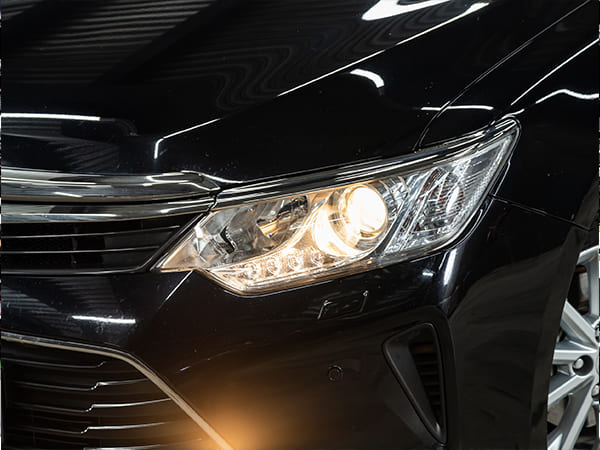
Understanding Toyota Headlight and Taillight Problems
Toyota headlight or taillight problems refer to anything that affects how well your exterior lights work. That can mean lights that flicker, stop working altogether, look dimmer than usual, or trigger a warning light on the dashboard.
In Spring Park, these issues matter more than many drivers realize. Short winter days, heavy rain, and fog rolling in from the lake all reduce visibility. Minnesota law also requires headlights and taillights to work properly at night and during low-visibility conditions, making repairs more than just a convenience.
Common Types of Light Issues
- Burned-out bulbs
- Corroded sockets
- Faulty wiring
- Blown fuses
- Moisture inside the light housing
Fixing Toyota Headlight or Taillight Guide
The steps below follow the same process experienced mechanics use, starting with the easiest checks and moving toward more complex causes. This method helps pinpoint the real issue without replacing parts unnecessarily.
Check the Bulb First
- Start by looking at the headlight or taillight bulb, since bulb failure is the most common problem on Toyota vehicles. Signs like a broken filament, dark spots, or uneven brightness usually mean the bulb has worn out. During Spring Park’s colder months, frequent use and temperature changes can cause bulbs to fail sooner than expected.
Inspect the Fuse and Power Supply
- Next, find the fuse box and check the fuse connected to the affected light. A blown fuse cuts power right away and can be triggered by moisture or a brief electrical surge. While replacing a fuse is simple, repeated blowouts usually point to a bigger electrical issue.
Look for Moisture or Condensation
- Take a close look at the light housing for fogging, water droplets, or condensation. Moisture inside the assembly can interfere with electrical connections and cause flickering or repeated bulb failures. This is especially common in Spring Park due to regular freezing and thawing that wears down seals.
Test the Wiring and Connectors
- Check the wiring and connectors leading to the light for corrosion, looseness, or damaged insulation. Road salt and grime can slowly break down these connections over time. Even small amounts of corrosion can cause inconsistent lighting.
Verify the Switch or Control Module
- If everything else checks out, the issue may be with the headlight switch or the vehicle’s control module. When these components start to fail, lights may work intermittently or not turn on at all. Diagnosing this usually requires professional tools designed for Toyota electrical systems.
Quick Troubleshooting Checklist for Toyota Lighting Issues
| What You Notice | Likely Cause | Recommended Action |
| Light completely out | Burned bulb or blown fuse | Inspect bulb and fuse |
| Flickering light | Loose connector or corrosion | Check wiring and sockets |
| Repeated bulb failure | Moisture in housing | Inspect seals and lens |
| Both lights not working | Fuse or switch issue | Electrical testing needed |
| Dashboard warning light | Control module fault | Professional diagnosis |
Mechanic insight:
When a Toyota headlight or taillight problem keeps coming back, it’s usually not just the bulb. Ongoing issues often point to moisture, corrosion, or wiring resistance.
Why Proper Headlight and Taillight Function Matters
Working headlights and taillights do more than help you avoid a ticket.
Key benefits of fixing Toyota headlight or taillight problems early include:
- Better road visibility, especially during dusk and dawn
- Clear signaling to other drivers, reducing rear-end collisions
- Staying compliant with Minnesota traffic laws
- Spotting electrical issues early before they affect other systems
According to the National Highway Traffic Safety Administration (NHTSA), nearly 50% of traffic fatalities happen at night, even though fewer vehicles are on the road. Proper lighting plays a major role in reducing that risk.
A Spring Park Taillight Problem That Kept Coming Back
When John, a Toyota Camry driver here in Spring Park, MN, noticed his right taillight kept going out, he did what most people would—he replaced the bulb. It seemed to fix the issue at first, but about a week later, the taillight went dark again. After a closer inspection, the real cause turned out to be moisture leaking into the taillight housing through a cracked seal, something that often happens after repeated freezing and thawing.
Once the moisture was removed and the seal was properly repaired, the taillight worked consistently with no further issues. Stories like Mark’s are common in Spring Park, where weather conditions can quietly damage seals and electrical components over time.
Key Takeaway for Toyota Owners
When a Toyota taillight keeps failing, it’s usually a sign of a deeper issue rather than a bad bulb. Moisture intrusion, worn seals, or corrosion should be addressed early to prevent ongoing lighting problems.
Data and Trusted Sources That Support These Repairs
The Insurance Institute for Highway Safety (IIHS) has shown that better headlight performance improves nighttime visibility, which plays a key role in reducing crash risk. Toyota service guidance also notes that moisture and corrosion at electrical connectors are common causes of lighting issues in colder climates.
Together, this supports a practical approach:
- Simple fixes like bulbs and fuses often solve the problem
- Repeated issues usually mean a sealing or electrical concern
DIY vs Professional Repair: Knowing the Difference
Some lighting repairs are reasonable to handle yourself, while others require experience and specialized tools.
| Issue | DIY Friendly | Professional Recommended |
| Bulb replacement | ✔ | — |
| Fuse replacement | ✔ | — |
| Moisture inside housing | — | ✔ |
| Wiring repair | — | ✔ |
| LED module issues | — | ✔ |
Mechanic insight:
Modern Toyota LED systems are tightly integrated and calibrated. Improper handling can trigger warning lights or lead to uneven lighting.
Common Warning Signs Not to Ignore
- Lights flicker while driving
- Dashboard warning light stays on
- One side looks brighter than the other
- Condensation inside the lens
Catching these signs early often prevents bigger electrical problems later on.
Keeping Your Toyota’s Lights Road-Ready
Toyota headlight or taillight problems are common, especially with Spring Park’s changing weather, but they don’t have to feel overwhelming. Knowing how the system works, recognizing warning signs, and understanding when to get help can keep your vehicle safe and dependable.
For drivers who want a thorough inspection and accurate repairs, Certified Auto Repair offers professional diagnosis and repair for Toyota lighting systems. Our technicians understand both local driving conditions and Toyota-specific electrical systems, helping you get back on the road with confidence.
Need peace of mind? Schedule a quick lighting inspection and drive through Spring Park knowing your lights are working as they should.
FAQs
Why does my Toyota headlight keep burning out?
Repeated bulb failures usually point to moisture, wiring resistance, or vibration issues rather than the bulb itself.
Can I drive with one taillight out in Minnesota?
Minnesota law requires all exterior lights to work properly, so driving with a failed taillight can lead to a citation.
Are LED headlights repairable or only replaceable?
Many Toyota LED headlights require full module replacement since individual diodes aren’t serviceable.
What causes condensation inside a headlight?
Temperature changes and worn seals allow moisture to enter the housing, which can interfere with electrical components.
How often should I check my exterior lights?
A quick monthly check—or looking them over during oil changes—helps catch problems before they get worse.