Many drivers in Spring Park don’t think twice about their daily drives—until their car starts acting differently. With local traffic patterns and changing weather, it’s easy for engine wear to sneak up over time. One of the most common questions drivers ask is whether they need engine service or engine repair, and the difference isn’t always obvious.
That confusion often leads to delayed decisions, unexpected breakdowns, or repairs that could’ve been avoided. Learning the difference between a quick tune-up and a major fix gives you control over your car. This knowledge keeps your ride reliable and stops you from panicking when a warning light pops up.
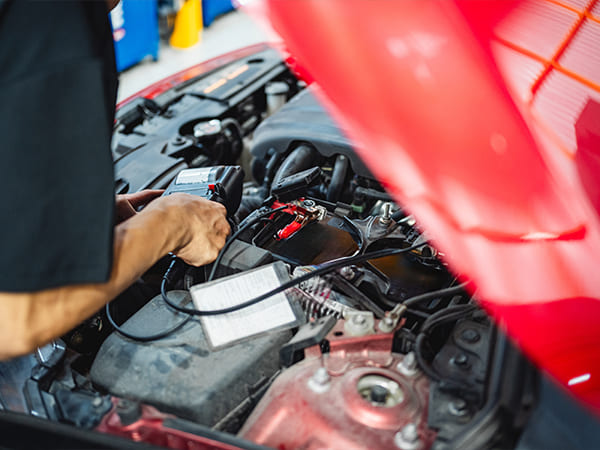
Engine Service vs Repair: What They Actually Mean
What Engine Service Is
Engine service is regular maintenance meant to keep things running smoothly. It includes oil changes, filter replacements, spark plug checks, fluid inspections, and diagnostic scans. Think of it as routine care that helps prevent trouble down the road.
In a place like Spring Park, where winters are cold and summers can be humid, this kind of maintenance really matters. Temperature changes put extra stress on engine components, and routine service helps your vehicle handle those conditions better.
What Engine Repair Is
Engine repair happens when something has already gone wrong. That could mean fixing leaks, replacing worn parts, correcting overheating issues, or addressing performance problems.
Repairs aren’t always avoidable, but many of them start as small issues that could’ve been caught earlier through regular service.
Why This Difference Matters for Spring Park Drivers
Small Problems Don’t Stay Small
Engines usually give warning signs—rough idling, strange noises, dashboard lights, or sluggish acceleration. Regular service helps catch these early before they turn into bigger repairs.
Local Driving Conditions Add Wear
Short trips, cold starts, and seasonal weather swings are tough on engines. According to AAA, extreme temperature changes are a major contributor to engine and battery issues in colder regions like Minnesota.
Routine Care Builds Reliability
When your engine is serviced on schedule, it runs smoother, lasts longer, and performs more consistently. It also reduces the chances of unexpected breakdowns.
Mechanic’s insight:
“Most major engine repairs start as small service issues that were easy to fix early on,”
Engine Service vs Repair: Quick Comparison
Engine Service
- Preventive and routine
- Lower long-term cost
- Keeps systems clean and efficient
- Reduces risk of breakdowns
- Improves reliability
Engine Repair
- Reactive and problem-based
- Often more expensive
- Fixes existing damage
- Can involve part replacement
- Usually takes more time
Understanding which one your vehicle needs helps you make smarter decisions without guessing.
Signs You Likely Need Engine Service
- Slight drop in performance – Your car doesn’t feel as responsive as it used to, or it takes a little longer to pick up speed than normal.
- Rough idling – The engine feels shaky or uneven when you’re stopped at a light or sitting in park.
- Engine running louder than usual – You notice more noise coming from the engine, especially during startup or acceleration.
- Maintenance reminders – Dashboard alerts or service lights come on, letting you know it’s time for routine care.
- Slower acceleration – Pressing the gas doesn’t give you the quick response you’re used to, even during normal driving.
These usually mean service, not repair.
Signs Engine Repair May Be Needed
- Knocking or grinding noises – You hear unusual sounds coming from the engine, especially when starting the car or accelerating.
- Overheating – The temperature gauge climbs higher than normal, or warning lights come on while driving.
- Oil mixing with coolant – You notice milky-looking fluid or fluid levels changing unexpectedly, which can point to a serious internal issue.
- Strong burning smells – A sharp or smoky odor comes from the engine area, often signaling overheating or leaking fluids.
- Loss of power – The vehicle struggles to accelerate or feels weaker than usual, even during normal driving.
If these show up, it’s best to have the vehicle checked right away.
Helpful Tips from the Shop
- Pay attention to new sounds or vibrations
- Never ignore a check engine light
- Follow mileage-based service schedules
- Cold weather thickens fluids, making maintenance more important
- Small leaks often turn into big problems if ignored
Mechanic’s insight:
“Your car usually tells you what it needs—you just have to listen early.”
Real-World Example: Two Spring Park Engine Outcomes
One of our neighbors stopped by because their engine started sputtering whenever they tried to pick up speed on Highway 7. The crew sensed the machine was about to quit.
After an inspection, the cause turned out to be:
- Old spark plugs
- Dirty fuel injectors
- Oil that had broken down from age
Getting the sensors cleaned and the battery tested solved the problem. The car finally runs well since we finished the checklist.
Another driver ignored similar symptoms for months. That delay led to overheating and internal engine damage—turning a simple service visit into a major repair.
Both drivers experienced similar warning signs, but the outcomes were very different based on how quickly the issue was addressed.
What the Data Says About Engine Maintenance
According to the Car Care Council, inspections at community car care events show that around 80% to 89% of vehicles on the road need at least some type of maintenance or repair. That means a lot of drivers are unknowingly dealing with issues that could’ve been caught earlier with routine service.
Experts at the ASE say that staying on top of engine maintenance boosts your power, cuts down on pollution, and keeps you from getting stuck on the side of the road.
Put simply, the data lines up with what experienced mechanics see every day—vehicles that get consistent service tend to run better and have fewer major problems down the road.
Making the Right Choice for Your Engine
Understanding the difference between engine service and engine repair helps you stay ahead of problems and avoid unnecessary stress. Service keeps your engine running well, while repair restores it when something goes wrong.
At Certified Auto Repair, drivers in Spring Park, MN get honest guidance, clear explanations, and experienced care tailored to local driving conditions. Whether it’s routine engine service or diagnosing a deeper issue, our team focuses on keeping vehicles dependable and drivers informed.
If something feels off or it’s been a while since your last service, scheduling a quick check can give you peace of mind and help prevent bigger problems down the road.
FAQs: Engine Service vs Repair
How often should engine service be done?
Most vehicles need basic engine service every 5,000–7,500 miles, depending on driving habits and manufacturer recommendations.
Can regular service really prevent repairs?
Yes. Routine maintenance catches wear early and reduces the chance of major engine damage.
Is engine repair always expensive?
Not always. Minor repairs can be manageable if handled early. Costs increase when problems are ignored.
How do I know which one I need?
A professional inspection is the best way to tell. Symptoms alone don’t always give the full picture.
Does Spring Park driving affect engine health?
Yes. Cold starts, short trips, and seasonal changes put extra stress on engines, making regular service especially important.