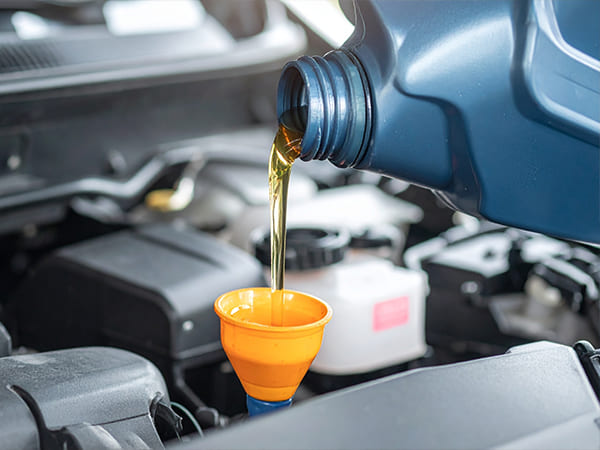
Engine oil service is the fundamental maintenance task required to lubricate internal components, dissipate heat, and remove microscopic debris. In the variable climate of Spring Park, consistent oil changes prevent chemical sludge buildup and mechanical wear, ensuring engine longevity and maintaining fuel efficiency by reducing internal friction and heat-related stress.
Why Oil Quality is the Lifeblood of Your Engine
An internal combustion engine contains hundreds of moving parts operating at high speeds and extreme temperatures. Oil serves as more than just a lubricant; it is a hydraulic fluid and a cooling agent. Over time, the chemical additives in the oil—designed to prevent corrosion and neutralize acids—break down.
When oil loses its viscosity, it can no longer maintain the thin protective film between metal surfaces. Without this barrier, friction increases, leading to “metal-on-metal” contact. This doesn’t just cause wear; it generates immense heat that can warp components or lead to a total engine seizure.
The Reality of Local Driving Conditions in Minnesota
In Spring Park and the surrounding Twin Cities area, our vehicles face specific environmental stressors that accelerate oil degradation.
- Extreme Temperature Swings: Moving from sub-zero winter starts to humid summer idling puts immense strain on oil. Cold starts are particularly harsh; oil is thicker and takes longer to circulate, leaving engine components vulnerable for those first few critical seconds.
- The “Short Trip” Problem: Many local drivers make short trips to the store or school. If the engine doesn’t reach its full operating temperature, moisture from combustion doesn’t evaporate. This moisture mixes with the oil to create a milky sludge that clogs narrow oil passages.
- Dust and Debris: While we aren’t in a desert, road salt, grime, and seasonal debris can eventually bypass filtration systems, contaminating the oil and turning it into an abrasive slurry.
How the Lubrication System Actually Functions
The process is straightforward but critical. The oil pump draws oil from the pan, sends it through a filter to catch contaminants, and then forces it through galleries to reach the camshafts, bearings, and pistons.
Modern engines often use Variable Valve Timing (VVT). These systems rely on precise oil pressure to adjust engine performance. If the oil is dirty or the viscosity is wrong, the VVT solenoids can fail, leading to poor idling, decreased power, and “Check Engine” lights. In this context, the oil is a functional tool, not just a bath for the gears.
Common Misconceptions About Modern Oil
A frequent mistake is relying solely on the “3,000-mile rule” or, conversely, assuming modern synthetic oils can last indefinitely.
- “My Oil Looks Clean”: You cannot judge oil health by color alone. Dark oil often means the detergents are doing their job by suspending soot. Conversely, oil that looks “clean” on the dipstick may have already lost its chemical ability to neutralize acids.
- The “Top-Off” Trap: Adding a quart of fresh oil to a low engine does not “refresh” the old oil. The contaminants and depleted additives remain in the system.
- Sensor Reliance: Dashboard “Oil Life” monitors are often predictive algorithms based on mileage and temperature, not an actual chemical analysis of your oil. They should be treated as a maximum limit, not a suggestion.
Symptoms of Neglected Oil Service
By the time a driver notices physical symptoms, internal damage may already be occurring. Watch for these indicators:
- Ticking or Tapping Sounds: This often indicates that the oil is too thin or the level is too low to adequately lubricate the valvetrain.
- Burning Smells: Oil that has leaked onto hot engine components or oil that is so old it is literally cooking inside the engine will produce a distinct odor.
- Reduced Fuel Economy: As oil breaks down, the engine must work harder to overcome internal friction, consuming more fuel in the process.
- Oil Pressure Light: This is an emergency signal. It usually means the engine is no longer being lubricated, often due to a severe leak or a catastrophic loss of oil pressure.
The Real Cost of Neglecting Engine Oil Service
The difference between a routine oil service and an engine replacement is a factor of thousands of dollars. Beyond the mechanical failure, neglected oil leads to increased “blow-by”—where combustion gases leak past piston rings into the crankcase. This ruins the PCV system and increases emissions, potentially causing a vehicle to fail state inspections or require expensive exhaust system repairs.
Reliable Engine Protection & Oil Care Experts
If you are unsure of your vehicle’s current oil condition or need a professional assessment of your maintenance schedule, the team at Certified Auto Repair is available to provide a comprehensive digital inspection and oil service tailored to your vehicle’s specific mileage and usage. You may contact us to confirm which oil grade is best suited for your engine and driving habits.
Frequently Asked Questions
Can I switch between synthetic and conventional oil?
Yes. Modern engine seals are designed to handle both. However, most modern vehicles require full synthetic or a synthetic blend to meet manufacturer specifications. Switching back to conventional oil in a car designed for synthetic can lead to premature engine wear.
What happens if I go 1,000 miles over my limit?
While it rarely causes immediate engine failure, it starts the process of “sludging.” The oil begins to bake onto internal surfaces, creating a crust that restricts flow. Repeatedly exceeding service intervals significantly shortens the total lifespan of the engine.
Is the oil filter as important as the oil itself?
Yes. A saturated or “clogged” filter will trigger a bypass valve, allowing unfiltered oil to circulate through the engine to prevent total starvation. This means dirt and metal shavings are being pumped directly back into your engine’s most sensitive parts.
Why does my car consume oil even if there are no leaks?
All engines consume a small amount of oil as part of the combustion process. However, as engines age, seals and rings wear down, allowing more oil to enter the combustion chamber. Regular checks are necessary to ensure the level doesn’t drop to dangerous levels between services.
Summary of Key Takeaways
Regular engine oil service is the most cost-effective way to protect your vehicle. In a demanding climate like Spring Park, oil serves as the primary defense against heat, friction, and chemical corrosion. By following a consistent service schedule and using the correct grade of oil, you avoid the compounding risks of engine sludge, reduced efficiency, and catastrophic mechanical failure. Proactive maintenance ensures the vehicle remains reliable for the long term.