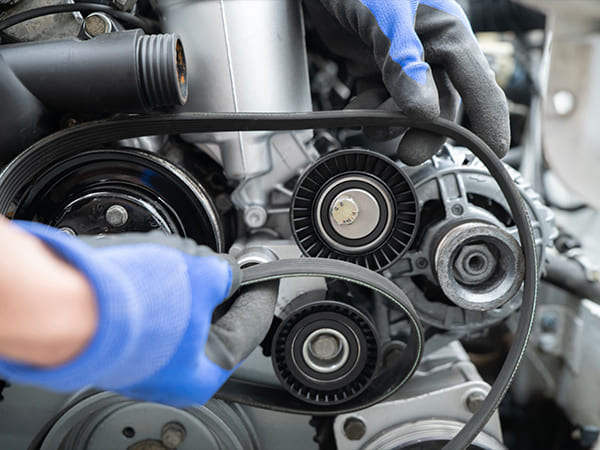
Engine belt service involves inspecting and replacing the serpentine and timing belts that power critical vehicle systems. These components synchronize engine functions and drive peripherals like the alternator and water pump. Regular maintenance prevents sudden belt failure, which can lead to immediate loss of power steering, engine overheating, or catastrophic internal engine damage.
The Benefits of Professional Engine Belt Service & Maintenance
Many vehicle owners view belts as minor accessories, but they are foundational to the engine’s ability to operate. Skipping a belt inspection is not merely a matter of maintenance; it is a gamble with the vehicle’s core mechanical integrity.
Protecting Your Engine from Catastrophic Failure
The most critical reason for belt service is the prevention of “interference” damage. In many modern engines, if a timing belt snaps, the internal components—pistons and valves—will physically collide at high speeds. This typically results in a destroyed engine that costs thousands of dollars to replace. Regular service ensures the belt is replaced long before it reaches the point of structural failure.
Ensuring Continuous Safety and Control
Service is vital because the serpentine belt powers your driver-assist systems. If a worn belt slips or breaks while you are navigating a turn or driving in heavy traffic, you will instantly lose power steering. For many drivers, the sudden physical effort required to steer a vehicle without power assistance can lead to a dangerous loss of control.
Avoiding Stranded Vehicles and Towing Costs
A belt failure is rarely a “drive-home” situation. When a belt snaps, the alternator stops charging the battery and the water pump stops circulating coolant. Within minutes, the engine will overheat, and the electrical system will die. Routine service allows a technician to catch thinning rubber or failing tensioners in the shop, rather than leaving you stranded on the side of the road in a Minnesota winter.
How Serpentine and Timing Belts Function
In a modern vehicle, belts are the literal connective tissue of the powertrain. Most drivers in Spring Park are dealing with two primary types: the serpentine belt and the timing belt.
The serpentine belt is a long, continuous loop that snakes around various pulleys, providing power to the alternator, air conditioning compressor, and power steering pump. If this snaps, your car stops functioning almost immediately.
The timing belt (or chain) is hidden behind a protective cover. This component mechanically links the crankshaft and camshaft so that valve timing remains precisely aligned with the engine’s combustion strokes.
Common Causes of Engine Belt Failure
Belts are made of reinforced rubber compounds. Over time, the constant heat of the engine bay and the physical stress of high-speed rotation cause the material to degrade.
- Heat Cycles: The engine warms up and cools down every time you drive. This creates an expansion and contraction cycle that eventually makes the rubber brittle.
- Contamination: Oil or coolant leaks can saturate the belt material, causing it to soften, swell, and eventually slip or disintegrate.
- Tensioner Wear: A belt is only as good as the pulley that keeps it tight. If the automatic tensioner loses its spring or the bearing in a pulley begins to seize, the belt will wear unevenly and snap prematurely.
Signs of Engine Belt Wear and Failure Symptoms
Many drivers wait for a “squeal” to indicate a problem. While a high-pitched chirping or squealing noise often points to a loose or glazed belt, it isn’t the only sign of trouble.
- Cracking and Fraying: Physical inspection often reveals small “rib cracks” across the underside of the serpentine belt. While a few cracks are common, deep fissures indicate imminent failure.
- Heavy Steering: If your power steering feels heavy or jerky, the belt may be slipping, preventing the pump from maintaining pressure.
- Battery Warnings: A slipping belt won’t turn the alternator fast enough to charge the battery, often triggering a dashboard light.
- Silent Failure: Timing belts rarely give a warning. They don’t usually squeal; they simply snap or “jump time.” This is why following the manufacturer’s mileage interval is the only reliable way to manage them.
Belt Maintenance in the Minnesota Climate
In Spring Park and the surrounding Twin Cities area, our climate plays a significant role in belt longevity. Our vehicles face extreme temperature swings—from -20°F in the winter to 90°F in the summer.
Cold starts in sub-zero temperatures put immense “snap” tension on rubber components that have become stiff overnight. We frequently see belts that looked fine in October fail during the first deep freeze of January. Furthermore, the salt and road chemicals used on Minnesota roads can find their way into the engine bay, accelerating the corrosion of pulleys and the degradation of rubber.
Preventive Maintenance vs. Costly Emergency Repairs
There is a massive disparity between the cost of a preventive belt replacement and the cost of a reactive repair.
- Serpentine Belt Failure: If it snaps while you are driving, you have perhaps two to three minutes before the engine begins to overheat dangerously. You will likely need a tow.
- Timing Belt Failure: In “interference” engines, a snapped timing belt allows the valves to drop into the path of the rising pistons, often necessitating a complete engine replacement.
By replacing these components based on mileage (typically every 60,000 to 100,000 miles, depending on the vehicle), you turn a potential mechanical disaster into a routine afternoon service.
Professional Engine Belt Inspection
If you are unsure of your vehicle’s maintenance history or have noticed new noises under the hood, a physical inspection is the most reliable path forward. You can contact Certified Auto Repair to have a technician evaluate the condition of your belts and pulleys to ensure your vehicle remains reliable.
Frequently Asked Questions
How long does an engine belt typically last?
Most serpentine belts last between 60,000 and 100,000 miles. Timing belts have specific intervals set by the manufacturer, usually ranging from 70,000 to 105,000 miles. Consult your owner’s manual for the exact requirement for your engine.
Can I drive with a squealing belt?
A squeal indicates slipping or a failing bearing. While the car may still move, the friction generates excessive heat which can damage the pulleys or cause the belt to snap without further warning. It should be inspected as soon as possible.
Is it necessary to replace the water pump at the same time?
Many engines use the timing belt to power the water pump, making a dual replacement the most cost-effective service strategy. Since the labor required to reach the belt is the same as the pump, it is standard industry practice to replace both at once to avoid paying for the same labor twice.
What happens if my serpentine belt breaks while driving?
Your steering will suddenly become very heavy, your battery will stop charging, and your engine will begin to overheat. You should pull over safely and turn off the engine immediately to avoid permanent damage.
Next Steps for Belt Health
Engine belts are simple components with massive responsibilities. In our local environment, the combination of age, mileage, and extreme temperature shifts makes regular inspections a necessity rather than an option. Taking a proactive approach to belt service ensures that a small wear-and-tear item doesn’t escalate into a major mechanical failure or an unsafe situation on the road.