Engine sensors are the primary communication link between a vehicle’s mechanical components and its onboard computer. Regular service ensures these sensors accurately monitor air-fuel ratios, timing, and emissions. In the variable climate of Spring Park, MN, maintaining sensor integrity is essential for optimal fuel efficiency, engine longevity, and reliable cold-weather performance.
Engine Sensor Maintenance and Performance
Modern vehicles are essentially mobile computers. To operate efficiently, the Engine Control Unit (ECU) relies on a constant stream of data from dozens of specialized sensors. These components monitor everything from the amount of oxygen in your exhaust to the exact position of your crankshaft.
When these sensors provide accurate data, your engine runs smoothly, sips fuel conservatively, and produces minimal emissions. However, when a sensor fails or sends “skewed” data—information that is technically within range but slightly inaccurate—the ECU makes poor decisions. This often results in a vehicle that feels sluggish, wastes gas, or fails to start during a Minnesota cold snap.
Identifying Key Engine Sensors
Think of engine sensors as the “nervous system” of your car. They provide the intelligence required for the mechanical parts to function.
- Oxygen (O2) Sensors: These monitor exhaust gases to adjust the fuel mixture. If they detect too much oxygen, the engine is running “lean”; too little, and it’s running “rich.”
- Mass Air Flow (MAF) Sensors: Located between the air filter and the intake manifold, these measure the volume and density of air entering the engine.
- Engine Coolant Temperature (ECT) Sensors: These tell the computer when the engine is warm enough to stop using extra “warm-up” fuel.
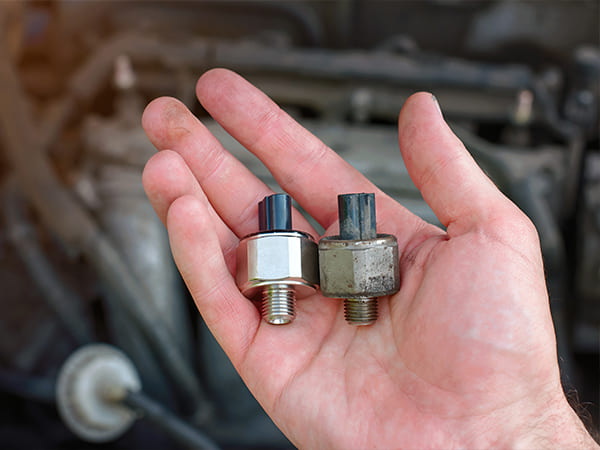
- Knock Sensors: These act like internal microphones, detecting “pinging” that could lead to catastrophic engine failure if not corrected by the ECU immediately.
We find that many drivers wait for a “Check Engine” light before considering these components. However, sensors can degrade over time due to heat and vibration, losing their precision long before they trigger a hard fault code.
Best Engine Sensor Service in Spring Park, MN
In our specialized environment in Spring Park, engine sensor service is a critical maintenance step that addresses the specific mechanical stress caused by our local geography and climate.
Optimizing Cold-Start Efficiency
During Minnesota winters, your engine requires a much richer fuel mixture to reach operating temperature. The ECT sensor tells the computer exactly how much extra fuel to inject. Professional service ensures this sensor isn’t “lazy,” preventing excessive fuel waste and carbon buildup during those sub-zero mornings.
Protecting the Catalytic Converter
A malfunctioning O2 sensor can cause the engine to run “rich.” In our humid lakeside environment, this unburned fuel can quickly overheat and melt the internal honeycomb of your catalytic converter—a multi-thousand-dollar repair that is often preventable.
Maintaining Transmission Shift Points
The Throttle Position Sensor (TPS) and Transmission Speed Sensors work together to determine shift points. If these are out of calibration, you may experience “hunting” for gears or harsh shifting while navigating the rolling hills around Lake Minnetonka.
Preventing “Limp Mode” Failures
“Limp Mode” severely limits engine power to prevent damage when a critical sensor—like the Crankshaft Position Sensor—fails. Local sensor service includes inspecting wiring for salt corrosion, ensuring you aren’t suddenly stranded during a busy commute.
Ensuring Accurate Traction Control
We rely heavily on traction control during icy months. These systems depend on Wheel Speed Sensors. Professional cleaning ensures your anti-lock brakes (ABS) and traction systems engage exactly when you hit a patch of black ice.
Common Causes of Sensor Failure Locally
In our region, the environment plays a significant role in sensor longevity. We frequently see two specific local factors:
- Extreme Temperature Swings: Dramatic shifts between humid summers and sub-zero winters cause electrical connectors to expand and contract. This leads to “micro-corrosion” or loose connections, causing intermittent signals that are difficult to diagnose without professional equipment.
- Road Salt and Humidity: Sensors located underneath the car are constantly pelted with road salt and magnesium chloride from Hennepin County roads. Corrosion can eat through the wiring harness, leading to premature failure.
Root Cause Diagnostics vs. Part Swapping
A common mistake is replacing a sensor simply because a scan tool mentions it. At our shop, we focus on the difference between a “bad sensor” and a “bad circuit.” For example, a “lean mixture” code might suggest a bad O2 sensor, but the root cause is often a vacuum leak or a dirty MAF sensor providing the O2 sensor with “correct” information about a “bad” mechanical situation. Replacing parts without identifying the root cause is a costly guessing game.
Local Case Study: Solving Lakeside Humidity Issues
Recently, a client brought in a crossover that was struggling to start during a particularly humid week near Lake Minnetonka. The owner suspected a failing battery or starter because the engine would crank but wouldn’t “catch” easily.
Upon inspection, we found the MAF sensor was contaminated with fine debris and moisture. The sensor was telling the engine it was getting less air than it actually was, causing the computer to “starve” the engine of fuel during startup. A specialized cleaning and a fresh air filter resolved the issue completely. This is a prime example of why diagnostic expertise outweighs part-swapping.
Preventive Sensor Maintenance Strategies
- Air Filter Changes: A clean air filter is the best defense for your MAF sensor.
- Cooling System Care: Old, acidic coolant can chemically erode the tip of the ECT sensor.
- Fuel System Cleaning: Reducing carbon buildup helps O2 sensors stay reactive and accurate for longer periods.
Expert Sensor Care for Peak Performance
Understanding the complexities of your vehicle’s electronic network is the first step toward a reliable ride. If you have concerns about your vehicle’s performance or a persistent warning light, the team at Certified Auto Repair is here to help. We provide thorough electronic diagnostics to ensure your vehicle is prepared for the unique driving conditions we face in Spring Park. As your neighbors here in the lakeside community, we invite you to contact us for a professional assessment of your engine’s performance.
Frequently Asked Questions
Can I drive with a faulty engine sensor?
It depends on the sensor. A failed O2 sensor might just lower your gas mileage, but a failed Crankshaft Position Sensor will leave you stranded. Generally, ignoring a sensor issue leads to expensive secondary damage.
Why did my Check Engine light come on and then go off?
This often indicates an “intermittent fault.” In Minnesota, this frequently happens when a sensor is beginning to fail or when moisture gets into a connection. It should still be scanned to check the stored “history codes.”
Does a “Check Engine” light always mean a sensor is broken?
No. The light means the computer has detected a problem it cannot self-correct. The sensor is often just the messenger reporting a mechanical leak or failure elsewhere.
How does the cold in Spring Park affect my sensors?
Cold increases electrical resistance and makes plastic components brittle. Sub-zero temperatures often cause sensors with tiny internal cracks to fail completely.
Final Thoughts on Engine Sensor Service
Engine sensors are the unsung heroes of modern automotive reliability. By accurately reporting data to your car’s computer, they keep your engine safe, efficient, and powerful. In a climate as demanding as ours in Spring Park, staying ahead of sensor degradation through clean filters and professional diagnostics is the best way to avoid unexpected breakdowns.
About the Author
Mark Pfleghaar is the owner of Certified Auto Repair in Spring Park, MN, and a state-licensed Emissions Testing and Repair Technician. Since 1993, he has served the Lake Minnetonka area with a commitment to continuous improvement in diagnostic precision and repair quality.