Spring in Spring Park, MN brings warmer roads, melting snow, and potholes that quietly test your vehicle after a long winter. Many Toyota owners notice new rattles, stronger exhaust smells, or a louder ride this time of year and wonder whether winter driving caused hidden damage.
Toyota exhaust system maintenance is especially important in our local climate, where road salt, moisture, and temperature swings can accelerate wear. Understanding how your exhaust system works and what to check each spring helps you avoid surprises and keep your Toyota performing as intended.
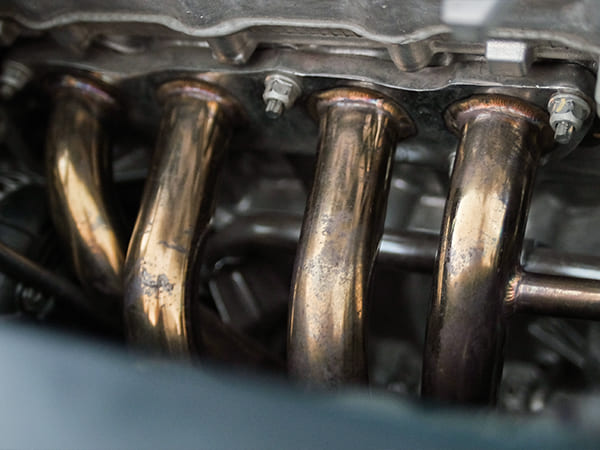
What Is a Toyota Exhaust System and What Does It Do?
Your Toyota exhaust system moves exhaust gases away from the engine and out of the vehicle. It helps control noise, supports engine performance, and manages emissions. When it is working properly, you usually do not notice it at all.
The exhaust system includes:
- Pipes that carry exhaust gases
- The catalytic converter that reduces emissions
- Sensors that help the engine run correctly
- The muffler that keeps noise in check
- Hangers and shields that hold everything in place
In Spring Park, MN, winter salt and moisture can wear these parts down faster. Knowing what the exhaust system does makes Toyota exhaust system maintenance easier to understand and stay ahead of.
Toyota Exhaust System Maintenance Tips
- Listen Closely When You Start the Car Cold
When you start your Toyota on a cool Spring Park morning, take a second to listen before driving off. A ticking, puffing, or sharper sound than usual can point to a small exhaust leak that seals as the metal warms. Catching this early makes Toyota exhaust system maintenance much easier later.
- Wash Away Winter Salt When the Weather Breaks
Even after the snow is gone, road salt can stick to exhaust pipes and brackets. A good undercarriage rinse in early spring helps slow rust and corrosion. This simple habit supports longer-lasting Toyota exhaust system components in Minnesota conditions.
- Notice Any New Vibrations at Stoplights
If your Toyota starts vibrating more than usual while idling, the exhaust system is worth checking. Worn hangers or loose shields often show up as mild shaking at low speeds. These issues are common after winter driving around Spring Park, MN.
- Trust Your Nose Around the Vehicle
Exhaust smells around the car or near the cabin should always get your attention. Even a faint odor can signal a small leak that affects both comfort and safety. Addressing it early keeps Toyota exhaust system maintenance straightforward.
- Tie Exhaust Checks to Routine Service Visits
Oil changes are a natural time to ask for a quick exhaust inspection. Having a technician look things over regularly helps spot rust, looseness, or early wear. This approach keeps small exhaust concerns from turning into bigger repairs.
Why Toyota Exhaust System Maintenance Protects Your Driving Experience
Routine Toyota exhaust system maintenance offers benefits that go beyond noise control.
| Benefit | Why It Matters to You |
| Consistent engine performance | Proper exhaust flow supports smooth acceleration |
| Lower emissions risk | Helps ensure compliance with Minnesota standards |
| Reduced cabin noise | Prevents rattles and droning sounds |
| Improved safety | Prevents exhaust gases from entering the cabin |
| Early problem detection | Small issues are easier to address than full system failures |
Neglecting exhaust maintenance often leads to secondary problems, such as reduced fuel efficiency or recurring warning lights that cause stress and uncertainty for drivers.
Case Study: Toyota Exhaust System Maintenance in Spring Park, MN
A Toyota driver in Spring Park, MN noticed their vehicle sounded louder than usual during early spring mornings. What seemed like a small change turned out to be a common post-winter issue.
The Problem:
- Increased exhaust noise during cold starts
- Rust forming at an exhaust connection after winter driving
- Early wear caused by road salt and moisture
The Solution:
- A focused Toyota exhaust system inspection to pinpoint the issue
- Stabilizing the affected exhaust section before further damage occurred
- Restoring normal sound and operation for daily driving
This case study reflects what many local drivers experience after winter. It shows how timely Toyota exhaust system maintenance in Spring Park, MN can prevent minor concerns from turning into ongoing problems.
What the Data and Experts Say About Exhaust Care
The U.S. Environmental Protection Agency (EPA) emphasizes that properly functioning exhaust and emissions systems are critical for reducing harmful pollutants and maintaining engine efficiency. Studies referenced by the Car Care Council show that delayed exhaust repairs often lead to additional component failures and higher emissions output.
Toyota’s own service guidelines stress routine inspections of exhaust components, particularly in regions with heavy winter road treatment. These recommendations align with what experienced technicians observe daily in Minnesota vehicles.
Together, this guidance supports a proactive approach: inspect early, confirm function, and address wear before it escalates.
Simple Spring Maintenance Checklist for Toyota Owners
| Item to Check | When | Why |
| Exhaust noise changes | Weekly | Early leak detection |
| Visible rust or hanging parts | Monthly | Prevent further damage |
| Warning lights | Immediately | May relate to exhaust sensors |
| Odors inside vehicle | Immediately | Safety concern |
| Professional inspection | Every spring | Post-winter assessment |
This checklist complements professional Toyota exhaust system maintenance and helps owners stay alert between service visits.
Key Takeaways for Toyota Exhaust System Maintenance
- Spring is the right time to check your Toyota exhaust system after winter driving in Spring Park, MN.
- New noises, smells, or vibrations are often early signs of exhaust issues.
- Road salt and moisture can speed up rust and wear on exhaust parts.
- Routine inspections help catch small problems before they affect performance or comfort.
- Staying consistent with Toyota exhaust system maintenance supports safer, quieter driving year-round.
Toyota Exhaust System Care in Spring Park, MN
Toyota exhaust system maintenance plays a key role in safety, comfort, and performance—especially for drivers in Spring Park, MN dealing with harsh winters and changing spring conditions. Paying attention to sounds, smells, and early warning signs helps keep small issues from becoming disruptive problems.
At Certified Auto Repair, technicians use factory-level diagnostic tools and manufacturer-recommended procedures to service Toyota exhaust systems with care and accuracy. If this information was helpful, take a moment to read our other blog posts for more Toyota maintenance tips, and when you are ready, schedule a visit to have your vehicle checked by a trusted local team.
Frequently Asked Questions
- How long does a Toyota exhaust system typically last?
Most Toyota exhaust systems last many years, but salt exposure and short winter trips can shorten component life in Minnesota.
- Can winter driving cause exhaust leaks?
Yes. Ice buildup and road salt can stress joints and hangers, leading to small leaks that appear in spring.
- Is a rattling noise always an exhaust problem?
Not always, but loose heat shields or worn exhaust hangers are very common causes after winter driving.
- Will exhaust issues affect my check engine light?
They can. Leaks or failing sensors may trigger warning lights tied to emissions monitoring.
- Should exhaust inspections be part of routine maintenance?
Yes. Annual inspections are especially helpful in climates like Spring Park, MN, where corrosion risks are higher.