Seeing a warning light pop up on your Toyota dashboard can definitely make you pause—especially when you’re driving around Spring Park, MN, heading to work or making plans near Lake Minnetonka. That glowing symbol can be distracting, but it doesn’t always mean something is seriously wrong.
As a mechanic who’s worked with many local drivers, we’ve seen how confusing Toyota warning lights can be. This guide breaks down how to reset Toyota warning lights, explains what those lights usually mean, and helps you know when a simple reset is fine—and when it’s smarter to have someone take a closer look.
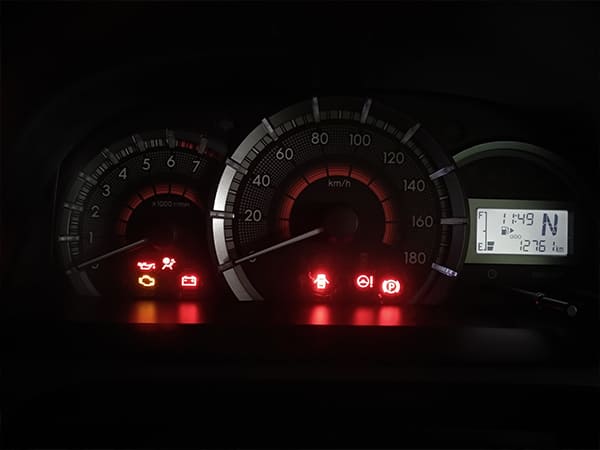
What It Means When a Toyota Warning Light Turns On
When a warning light shows up on your Toyota dashboard, it’s usually your vehicle sharing information—not sounding an alarm. Some lights are just reminders, while others let you know a system noticed something outside its normal range.
Here in Spring Park, MN, drivers often see warning lights during colder weather or after lots of short trips. Temperature swings can affect tire pressure, batteries, and sensors, which is why a light can come on even when the car feels normal. Understanding this makes it easier to decide whether a reset makes sense or whether it’s worth slowing down and checking things first.
Quick Reference: Toyota Warning Light Reset Guide
| Light Type | Reset Method | When to Seek Help |
| Maintenance Required | Odometer reset | If it returns early |
| TPMS | Reset button or drive cycle | If light flashes |
| Check Engine | Battery or scanner | Always if recurring |
| ABS | Professional scan | Immediately |
| Traction Control | Scan required | If paired with ABS |
How to Reset Toyota Warning Lights
Resetting Toyota warning lights can be helpful in certain situations, like after routine service or fixing a small issue. Below are safe, commonly used reset methods based on real shop experience. Keep in mind—a reset clears the message, not the reason it appeared.
Resetting the Toyota Maintenance Required Light
The Maintenance Required light usually comes on after a set number of miles and doesn’t mean something is broken.
Steps to reset:
- Turn the ignition to the off position
- Press and hold the odometer/trip reset button
- While holding the button, turn the ignition to on (don’t start the engine)
- Keep holding until the display shows zeros and the light turns off
Mechanic insight: This reset should only be done after an oil change or scheduled service is completed.
Resetting the Toyota TPMS (Tire Pressure) Warning Light
The TPMS light is especially common in Spring Park during seasonal temperature changes.
Steps to reset:
- Inflate all tires to the PSI listed on the driver’s door placard
- Turn the ignition to on
- Press and hold the TPMS reset button until the light blinks three times
- Drive for 10–20 minutes to let the system recalibrate
Pro tip: If the light flashes before staying solid, a sensor issue may be present and won’t reset this way.
Resetting the Toyota Check Engine Light (Temporary Reset Only)
A Check Engine light should always be handled with care. A reset may be used after a known minor issue is fixed.
Basic reset method:
- Turn the vehicle off
- Disconnect the negative battery cable
- Wait 10–15 minutes
- Reconnect the cable securely and start the vehicle
Important note: If the light comes back quickly, the system is still detecting a problem.
Resetting Warning Lights Using an OBD-II Scanner
An OBD-II scanner is the most accurate way to reset Toyota warning lights.
How it works:
- Plug the scanner into the port under the dashboard
- Turn the ignition to on
- Read the diagnostic codes
- Clear the codes after confirming repairs are complete
Why this matters: A scanner explains why the light came on, which helps prevent repeat alerts.
Warning Lights That Should Not Be Manually Reset
Some Toyota warning lights relate to safety systems and shouldn’t be cleared without proper diagnosis.
Do not reset without inspection:
- ABS warning light
- Airbag warning light
- Oil pressure warning light
- Flashing Check Engine light
These alerts are meant to protect you and your vehicle.
Real-World Example: Spring Park Winter Drives and Dashboard Alerts
Last winter, a Toyota RAV4 driver in Spring Park, MN noticed the tire pressure warning light turning on every morning. The tires looked fine, which made the light frustrating and confusing.
The cause was simple. Cold Minnesota mornings can lower tire pressure by 1–2 PSI for every 10°F drop, enough to trigger the TPMS light, as reported by CBS News. After checking the tires first thing in the morning, adding a bit of air, and resetting the light, the alert stopped appearing during normal driving.
It’s a good reminder that Toyota warning lights are early alerts, and local weather plays a big role in when they show up.
Supporting Data / Authority: Why Dashboard Lights Matter
- Toyota dashboard warning lights are designed to alert drivers when maintenance or system checks are needed, according to Toyota’s official warning light guide.
- TPMS systems are required on all U.S. vehicles and warn drivers when tire pressure drops below safe levels, as established by federal safety regulations through NHTSA.
- Cold Minnesota weather commonly lowers tire pressure enough to trigger TPMS alerts, even when there’s no tire damage, as reported by CBS News.
These sources explain why warning lights appear and why it’s important to understand the cause before clearing them.
Resetting Toyota Warning Lights the Right Way
Knowing how to reset Toyota dashboard warning lights in Spring Park, MN is useful, especially for maintenance reminders or tire pressure alerts. Still, warning lights exist for a reason, and clearing them without understanding why they came on can lead to repeat issues.
Our team works with Toyota diagnostic systems every day. We take the time to explain what triggered the light and what makes sense to do next, so you’re not left guessing. If a dashboard light keeps coming back, you’re welcome to contact or visit Certified Auto Repair for a closer look and clear answers.
For more helpful guidance, you can also check out our related blog that breaks down common Toyota warning lights and what they typically mean, especially for drivers in Spring Park.
Frequently Asked Questions
- Can resetting a Toyota warning light cause problems later?
Yes. Turning the light off without fixing what caused it can hide the issue for a while, but the problem itself may still be there.
- How long should a warning light stay off after a reset?
If the issue is truly resolved, the light should stay off. When it comes back within a few days, that’s usually a sign the vehicle still needs attention.
- Do cold Minnesota winters affect dashboard warning lights?
They do. Cold weather often lowers tire pressure, stresses batteries, and affects emissions systems, which can trigger warning lights.
- Is an OBD-II scanner better than disconnecting the battery?
Yes. A scanner explains why the light came on, while disconnecting the battery just clears the message without giving any insight.
- Will resetting lights help pass emissions testing?
Only if the actual issue has been fixed. Recently cleared codes can cause an automatic failure during emissions testing.