Spring Park, MN drivers know the frustration of a car that won’t start on a cold morning or suddenly loses power while running errands around Lake Minnetonka. For many Toyota owners, these moments often trace back to alternator and starter issues—two components that quietly do critical work every day.
Toyota alternator and starter maintenance in Spring Park, MN isn’t just about avoiding breakdowns. It’s about reliability, safety, and knowing what warning signs to watch for before a small issue turns into a stranded afternoon.
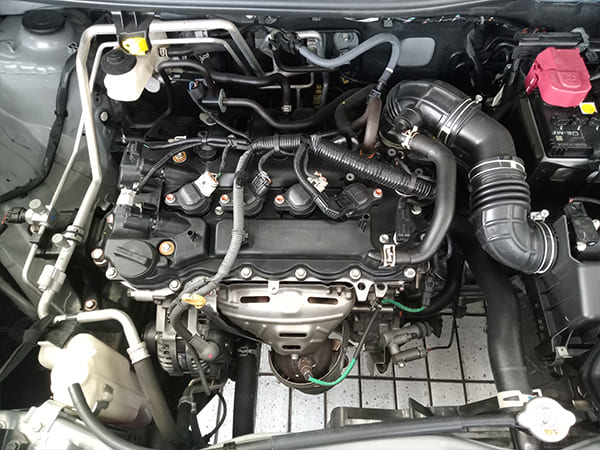
Understanding Toyota Alternators and Starters
A starter is the electric motor that cranks your Toyota’s engine when you turn the key or press the start button. Once the engine is running, the alternator takes over by generating electricity to power vehicle systems and recharge the battery.
In Spring Park’s climate—where temperature swings, moisture, and road salt are common—these parts experience extra stress.
Why these components matter locally:
- Cold starts require more electrical power
- Salt exposure increases corrosion risk
- Short winter trips limit battery recharge time
When alternators or starters fail, the symptoms can feel sudden, but the wear usually builds over time.
Practical Tips for Toyota Alternator and Starter Care
These practical tips help Toyota drivers spot early warning signs, reduce electrical strain, and keep starters and alternators working reliably through Spring Park’s changing seasons.
- Pay Attention to Slow Starts
When your Toyota starts a little slower than usual, it’s often trying to tell you something. That hesitation usually means the starter or charging system is working harder than it should. In Spring Park, cold mornings make this easier to notice.
- Watch for Changes in Headlights
Headlights that dim or brighten while you’re driving aren’t just annoying. They often point to an alternator that isn’t keeping voltage steady. Even if the car seems fine otherwise, this is worth having checked.
- Listen for Clicking or Grinding Sounds
A clicking sound when you turn the key usually means the starter isn’t getting enough power. Grinding noises can signal worn starter parts that are starting to struggle. Both sounds are early warnings you don’t want to ignore.
- Keep Battery Connections Clean
Battery terminals can build up corrosion over time, especially after winter. That buildup restricts power flow and puts extra strain on the starter and alternator. Keeping connections clean helps everything work the way it should.
- Limit Frequent Short Trips
Short trips don’t give the alternator enough time to fully recharge the battery. When this happens often, the battery stays low and the starter has to work harder every time. Over time, that extra stress adds up.
- Replace Drive Belts on Schedule
The alternator relies on the drive belt to generate power. If the belt is worn or slipping, charging performance drops even if the alternator is still good. Regular belt checks help avoid hidden electrical problems.
- Pay Attention to Warning Lights
A battery or charging light doesn’t always mean the car will stop right away. It does mean something in the electrical system isn’t working as expected. Checking it early can prevent bigger issues later.
- Schedule Electrical Checks After Winter
Winter is especially tough on starters and alternators because of cold starts and moisture. Spring is a good time to make sure everything handles the season well. A quick check can catch small issues before they turn into no-start situations.
Early Signs of Alternator or Starter Trouble
Catching problems early makes Toyota alternator and starter maintenance far more manageable.
Starter trouble often shows up as:
- Clicking sounds when starting
- Slow or hesitant engine cranking
- No response when turning the key
Alternator issues typically include:
- Flickering headlights or dashboard lights
- Battery warning light staying on
- Electronics behaving inconsistently
- Burning rubber or electrical smell
In Spring Park, these symptoms often worsen after winter, when components have endured months of cold starts and corrosion exposure.
Maintenance Timeline for Toyota Alternators and Starters
While Toyotas are known for reliability, no electrical part lasts forever. Here’s a realistic maintenance guide based on real shop experience:
| Component | Average Lifespan | Maintenance Focus |
| Starter Motor | 100,000–150,000 miles | Electrical connections, heat exposure |
| Alternator | 80,000–120,000 miles | Voltage output, belt condition |
| Battery (Related) | 3–5 years | Charge level, terminal corrosion |
Regular inspections help identify weakening performance before complete failure, especially for vehicles driven mostly on short trips.
How Regular Electrical Care Helps Avoid Breakdowns
Alternator and starter problems don’t just show up when a car won’t start. When these parts aren’t working properly, they can affect the entire electrical system and allow small issues to grow over time.
Keeping up with maintenance helps with:
- More reliable starts no matter the season
- Less stress on the battery, helping it last longer
- Steady power for safety systems and electronics
- Fewer surprises that leave you stuck
AAA consistently reports that battery and electrical issues are among the most common reasons drivers need roadside help, and cold climates like Minnesota tend to make those problems show up more often.
Real-Life Example: A Spring Park Camry Alternator Issue
One local driver brought in a Toyota Camry after experiencing intermittent no-start issues at the grocery store. The battery tested fine, but voltage readings showed the alternator was undercharging—especially at idle.
Cold weather had stiffened internal bearings, reducing output just enough to cause repeated drain. Addressing the alternator early prevented further electrical damage and avoided a tow during winter.
This type of issue is common locally and reinforces why Toyota alternator and starter maintenance in Spring Park, MN should be proactive, not reactive.
Mechanic’s Insight: A Simple Preventive Tip
One overlooked detail we often see is corroded or loose battery cables. Even a healthy alternator and starter can struggle if electrical flow is restricted.
Quick check for drivers:
- Look for white or blue buildup on battery terminals
- Ensure cables don’t twist by hand
- Listen for unusual sounds during startup
These small checks can reveal issues early and support long-term reliability.
Toyota Reliability Through Every Season
Staying ahead of Toyota alternator and starter maintenance in Spring Park, MN helps prevent inconvenient breakdowns and protects your vehicle’s electrical system through every season. Understanding how these parts work, recognizing early warning signs, and scheduling timely inspections can make all the difference.
For drivers looking for trusted diagnostics and repair, Certified Auto Repair provides professional electrical system services backed by experienced technicians. Our 2-year/24,000-mile guarantee reflects confidence in workmanship and long-term reliability—so you can drive with peace of mind knowing the repair is built to last.
Book an electrical check today and help prevent starting problems before they begin.
FAQs
How do I know whether it’s the starter or alternator?
A starter issue affects cranking, while alternator problems usually appear after the engine is running with dim lights or warning indicators.
Can a failing alternator damage my Toyota’s battery?
Yes, poor charging can shorten battery life and cause repeated electrical issues even with new batteries.
Does cold weather in Spring Park affect alternators and starters?
Cold temperatures increase electrical demand and thicken lubricants, making weak components fail faster.
How often should these parts be inspected?
A yearly electrical system check is recommended, or sooner if warning signs appear.
Are warning lights always accurate for alternator problems?
Not always. Some alternator failures don’t trigger lights immediately, which is why voltage testing matters.