Most Spring Park drivers know the feeling: you hop into your Toyota on a chilly morning by Lake Minnetonka, turn the key, and it just doesn’t sound as smooth as it did last week. Maybe it hesitates for a second, or maybe it feels a little lazy getting onto County Road 15. And that’s when the thought hits — “Did I wait too long to change the oil?”
A lot of drivers around Spring Park deal with the same thing. With our quick weather shifts, short everyday trips, and all the stopping around town, keeping up with oil changes really does make your Toyota feel better day to day — which is why following smart Toyota engine oil change tips can make all the difference.
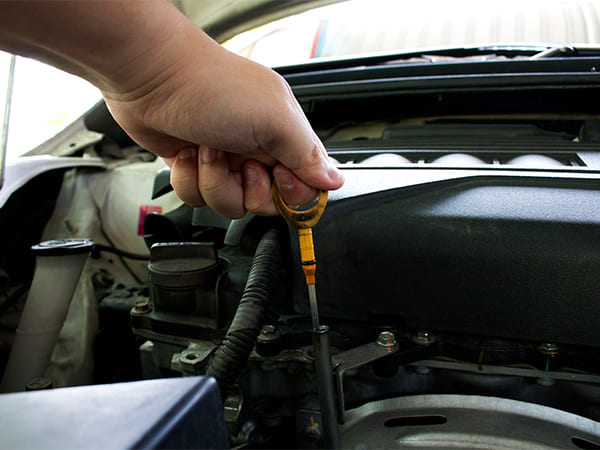
Understanding What Toyota Oil Changes Really Do
Oil has one simple job: keep metal from scraping against metal. When it’s fresh, the engine runs effortlessly. When it’s old or burnt, everything struggles a bit more — that’s when you notice louder idling, slower acceleration, or grumbly cold starts.
Mechanic insight:
“Fresh oil is like fresh coffee. It just helps everything start better.”
Most newer Toyotas take 0W-20 synthetic, while older ones might use 5W-30. Having the right oil makes winter mornings easier and keeps things cooler during those slow July crawls down Shoreline Drive.
Why Spring Park Conditions Affect Toyota Oil Faster
Spring Park driving seems simple, but it’s actually tough on oil. Quick errands. The cold starts after work. A few minutes here, a few minutes there. Traffic near County Road 15. Short drives that don’t let the engine warm up fully. Then summer comes, and engines run hotter because of the humidity.
All of that wears oil down faster than you’d think — which is why being proactive about Toyota oil change habits pays off here.
Mechanic quote:
“Your Toyota doesn’t care what month it is. It cares how you drive it.”
Seasonal Toyota Oil Change Advice for Spring Park
Cold Weather Starts
Cold mornings thicken oil quickly. Synthetic oil flows better when temperatures drop, which means your engine doesn’t have to work so hard. Shorter oil intervals in winter can save you from rough, noisy starts.
Short Trips
Those 5–10 minute drives around Spring Park don’t warm the engine enough to burn off moisture. That moisture stays in the oil, which isn’t great long-term. If this sounds like your daily routine, changing oil a little sooner is worth it.
Warm Weather and Towing
Once boating season hits, engines run hotter — especially if you’re towing or hauling gear. Hot oil breaks down faster, even the good stuff. Keeping an eye on your intervals in summer helps prevent heat-related issues.
Stop-and-Go Near CR-15
Sitting in traffic on County Road 15 gives your engine less airflow, which means more heat — and more heat leads to faster oil breakdown. It’s easy to forget that slow driving can actually be harder on your oil than highway speeds.
Toyota Engine Oil Change Tips That Make Everyday Driving Smoother
These are the tips we find ourselves repeating in the shop all the time.
Know Your Oil Interval Before Your Engine Tells You
Toyota engines are reliable, but waiting for symptoms means you’re already late. A quick glance at your mileage every few weeks keeps you ahead of any issues.
Check for Small Leaks Before They Get Worse
A tiny oil drip on the driveway doesn’t look like much, but if it keeps growing, you can end up running low sooner than you think. Just checking your parking spot now and then makes a big difference.
Pay Attention to How Your Toyota Sounds
Your car usually tells you when something’s changing. If it suddenly idles louder, hesitates at stop signs, or feels rough on cold mornings, the oil may be breaking down. A quick check can catch it.
Use a Quality Filter, Not the Cheapest One
Toyota engines need a steady flow of clean oil. Cheap filters don’t always handle that well. We stick to filters we trust — the same ones we use in our own cars.
Don’t Let Weather Throw Off Your Maintenance
We all know how unpredictable Spring Park weather can be. If you wait for the “right time,” you’ll end up forgetting. Pick an interval that works for you and stick to it.
Give the Engine a Minute After an Oil Change
We always let the engine run briefly after a change to let the oil circulate and to check for leaks. If you’re doing your own oil changes, doing this step is a lifesaver.
Mechanic Tip:
“Oil changes are simple. The habits around them are what actually protect your engine.”
Benefits of Following Toyota Engine Oil Change Tips
Fresh oil protects against wear, helps with cold starts, keeps sludge away, stabilizes engine temps, and even supports fuel efficiency. Basically, it helps your Toyota run the way it was designed to.
According to AAA, going extended periods without changing your oil can significantly affect engine performance and may lead to more serious issues over time.
Case Study: How a Spring Park Neighbor Solved an Oil Issue
A RAV4 owner from Lakeview Avenue came in complaining about a rough idle. He was worried something big was failing — maybe a sensor or something expensive. But the oil had gone past 8,000 miles. Once we replaced it with the right synthetic oil, the engine smoothed out almost instantly. A week later, he told us the drive to Mound felt noticeably better.
Stuff like this happens all the time. People assume the worst, but oil is often the simplest fix.
Mechanic insight:
“Engines complain for a reason. Old oil is one of their favorites.”
Evidence Behind These Toyota Engine Oil Change Tips
The Society of Automotive Engineers (SAE) sets the viscosity grades you see on oil bottles, like 0W-20 or 5W-30. Using the SAE grade Toyota recommends helps make sure your oil flows the way it should in both hot and cold conditions.
Final Thoughts and Where to Go Next?
Following these Toyota engine oil change tips helps keep your car ready for Spring Park’s cold starts, summer towing days, and all the stop-and-go in between. Clean oil prevents more problems than most people realize.
If you want help choosing the right oil or just want the job done quickly, Certified Auto Repair in Spring Park has options for older Toyotas, synthetic blends, full synthetics, and even oils made for tougher conditions. Give us a call — even if it’s just for a quick check or a few questions.
Frequently Asked Questions
How can I tell if my Toyota is running low on oil?
Check the dipstick every few weeks. If the level drops noticeably, something needs attention.
Why does my Toyota’s oil get dark so fast after a change?
Modern oils clean the engine as they work. That cleaning darkens the oil — it’s normal.
Does steady highway driving help oil last longer?
Yes. Highway driving puts much less stress on oil than short, cold trips.
Can cold idling near the lake shorten oil life?
Yes. Idling builds moisture inside the engine, and moisture breaks oil down faster.
What if I forget to reset the maintenance light after an oil change?
Your car won’t track your next interval properly. Resetting keeps everything accurate.