Spring Park, MN is one of the toughest places for a Toyota to stay healthy without regular maintenance. Between lake humidity, winter road salt, and freezing mornings, our area wears down vehicles faster than most drivers realize — even reliable Toyotas.
We see it every day in the shop: a slow crank, a rough idle, a little rattle under the hood… all early signs that the climate is taking a toll. That’s why the importance of regular Toyota maintenance becomes clear once you understand what our weather and roads do to your car.
Most drivers just want their Toyota to start, run smooth, and avoid surprise repairs. Routine maintenance is what keeps that peace of mind intact.
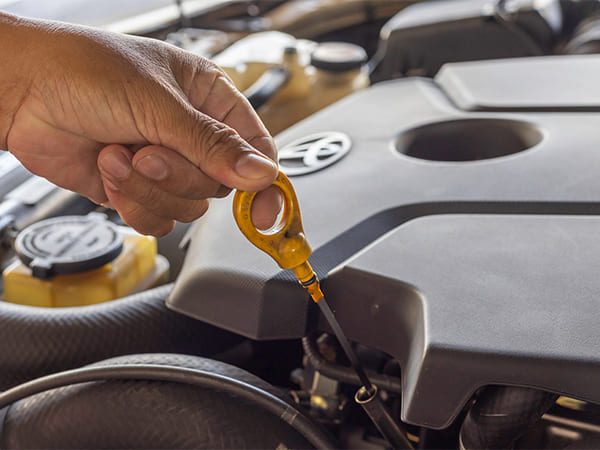
What Regular Toyota Maintenance Really Means
Regular Toyota maintenance simply means following Toyota’s recommended service schedule. This includes inspections, fluid changes, computer scans, and replacing parts before they fail.
The basics typically include:
- Oil and filter changes
- Coolant, brake fluid, and transmission checks
- Computer diagnostics
- Brake inspections
- Tire rotation and alignment
- Air and cabin filter replacements
These steps protect your engine, electronics, brakes, and fuel efficiency.
How Spring Park Puts Your Toyota to the Test
Regular Toyota maintenance is vital in Spring Park, MN because our weather, roads, and daily driving patterns create faster wear and tear than in many other regions. Toyotas are tough, but Minnesota can wear down any vehicle if maintenance is skipped or delayed.
Here’s why it matters so much here:
- Cold winters strain engines and batteries. Thickened oil, freezing temps, and slow-start conditions stress key components.
- Road salt accelerates rust. Brake lines, suspension parts, and exhaust systems corrode quickly.
- Short lake-area trips don’t warm the engine fully. Moisture builds up inside the engine, reducing performance.
- Potholes and frost heaves knock alignment out. Misalignment leads to uneven tire wear and poor handling.
- Lake Minnetonka humidity increases underbody rust. More moisture means more corrosion over time.
- Modern Toyotas rely on sensitive sensors and modules. These require periodic checks and calibration.
All of these factors mean small issues can turn into expensive repairs faster than you expect. Regular maintenance helps prevent that.
Why Regular Maintenance Matters Even More in Our Area
Driving in Spring Park means dealing with:
- Harsh temperature swings
- Months of road salt
- Stop-and-go lake traffic
- Moisture from lakeshore air
- Rough winter roads
Routine service gives your Toyota the extra protection it needs in this environment.
How a Good Toyota Maintenance Visit Works (Step-by-Step)
Here’s what a thorough, neighborly, no-pressure maintenance visit should include:
Full Computer Scan
Modern Toyotas rely on dozens of sensors and modules to run smoothly, so we always start with a full scan. This lets us spot tiny issues long before they turn into something noticeable. It’s a quick way to keep your Toyota’s electronics talking to each other the way they should.
Oil & Fluid Check
Fluids protect the most expensive parts of your vehicle, so keeping them fresh is one of the best things you can do. Old or low fluids make your engine and brakes work harder than they should. A simple fluid check now can prevent major repairs later.
Undercar Inspection
Salt, moisture, and road debris hit the underside of your car the hardest — especially around Spring Park. That’s why we take our time checking for:
- Rust
- Brake line damage
- Exhaust wear
- Loose or weakened components
Catching these early keeps your Toyota safe and solid through our tough winters.
Tire & Alignment Check
Winter roads and potholes can throw your alignment off before you even notice it. We check for uneven wear, drifting, and steering changes that creep in over time. Proper alignment helps your tires last longer and makes your Toyota feel steady on the road.
Brake System Evaluation
Brakes take a real beating in Minnesota, especially with all the salt and slush. We look at pads, rotors, calipers, and lines to make sure everything is still in good shape. A quick brake check today can save you from a much bigger problem down the road.
Battery Test
Cold weather drains battery strength fast, even on newer vehicles. A simple test tells us whether your battery still has enough life for those below-zero mornings. It’s an easy way to avoid the frustration of a surprise no-start.
Air & Cabin Filter Inspection
These filters keep your engine breathing clean air and your cabin smelling fresh. When they clog up, your Toyota has to work harder, and the air quality drops inside the car. Replacing them on time keeps everything running smoothly and comfortably.
How Regular Toyota Maintenance Saves You Money
The simplest explanation for the importance of regular Toyota maintenance is this:
Paying a little now saves you a lot later.
Routine care provides:
- Lower repair costs
- Better winter safety
- Improved fuel economy
- Longer Toyota lifespan — often past 200k miles
- Less stress and fewer unexpected breakdowns
According to AAA, most roadside failures come from skipped or delayed maintenance — not bad parts.
Case Study: Quick Corolla Maintenance Solution
A neighbor from West Arm Road brought us their Toyota Corolla last winter because it felt sluggish and shaky at idle. They were worried something major had failed.
After a full check, the real culprits were simple:
- A clogged air filter
- Old oil
- A dirty mass airflow sensor
Fixing these was quick and inexpensive, but waiting longer could have damaged their catalytic converter—a repair costing over $1,000. It’s a perfect example of why regular maintenance matters so much here.
Trusted Voices in the Auto Industry
Here’s what top automotive organizations say about maintenance:
- Toyota engineers design service schedules using extreme-condition testing, showing that regular maintenance prevents avoidable wear and breakdowns.
- AAA reports that most roadside issues come from skipped maintenance — things like weak batteries, worn belts, and low fluids.
- NHTSA reminds drivers that proper maintenance improves safety by keeping brakes, tires, and electronic systems working correctly.
All of these trusted sources point to one clear conclusion: staying on top of maintenance keeps your Toyota safer, more reliable, and cheaper to own.
Better Toyota Driving Begins With Local Care
By now, it’s clear why the importance of regular Toyota maintenance can’t be overstated — especially in Spring Park’s demanding climate.
For local drivers, Certified Auto Repair uses advanced, factory-grade diagnostic tools and equipment designed specifically for modern Toyotas. Our team can diagnose, recalibrate, and reprogram vehicle modules using manufacturer-level software — the same type used to correct hard-to-find issues at the dealership.
We provide:
- Full diagnostics
- Routine maintenance
- Fluid and filter services
- Brake and suspension care
- Advanced module programming
If your Toyota hasn’t been checked in a while — or something just feels “off” — scheduling a visit now can prevent a costly surprise later.
Frequently Asked Questions (FAQs)
How often should my Toyota be serviced in Minnesota?
Every 5,000–10,000 miles, depending on weather and driving habits.
Can skipping one oil change cause issues?
Yes. Cold weather thickens oil, which increases engine wear if it’s not changed on time.
Does road salt damage Toyotas?
Salt accelerates rust on brake lines, suspension components, and the underbody.
Do I need to go to the dealership for service?
No. Any qualified shop following Toyota’s guidelines can maintain your warranty.
How do I know if my Toyota needs maintenance sooner?
Use the Listen–Look–Feel Test:
- Listen for new noises
- Look for leaks or warning lights
- Feel for changes in braking or steering