
Every car on the road today comes equipped with dashboard warning lights designed to alert you before serious problems occur. Each light serves as a signal from your vehicle’s internal systems, letting you know whether something needs attention immediately or soon.
Understanding car warning lights helps you react calmly instead of guessing. These alerts can represent anything from low tire pressure to overheating engines or electrical failures. In Spring Park, MN, where cold winters and potholes are common, knowing these symbols can prevent roadside breakdowns and extend your car’s lifespan.
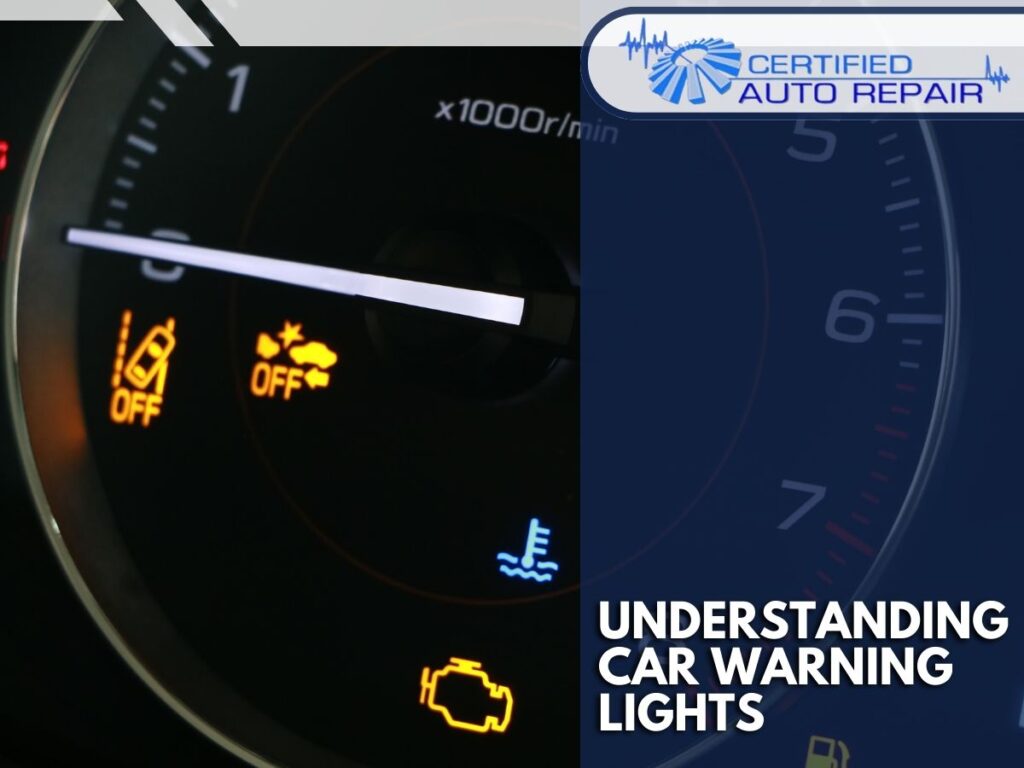
Why Dashboard Warning Lights Matter in Everyday Driving
Modern vehicles use sensors to detect issues in real time. When one system detects abnormal readings, the corresponding dashboard light turns on. Ignoring these warnings can lead to higher repair costs or safety risks.
In local conditions — freezing mornings, salted roads, and fluctuating tire pressures — drivers often see lights appear that aren’t always severe. For example, a tire pressure monitoring system (TPMS) light can activate after a temperature drop but reset once the tires warm up.
How to Quickly Identify Each Warning Light
1. Understand the Color Codes
- Red lights indicate urgent problems such as oil pressure loss, brake failure, or engine overheating.
- Amber or yellow lights suggest caution, like check engine or traction control warnings.
- Green or blue lights simply confirm active systems, such as headlights or cruise control.
2. Use the Vehicle Manual
Every make and model — from Toyota Camry to Chevrolet Silverado — has a slightly different symbol layout. Keep your owner’s manual in the glove box for quick reference.
3. Pay Attention to Patterns
A steady light often signals a minor issue. A flashing light usually means immediate attention is required. For example, a flashing check engine light indicates a misfire that could damage the catalytic converter.
How to Respond When a Warning Light Appears
Step 1: Stay Calm and Assess
Pull over safely if a red warning light appears. Turn off the engine and check for visible signs like smoke, leaks, or burning smells.
Step 2: Note the Context
Did the light come on during acceleration, braking, or idling? Details help technicians pinpoint the issue faster.
Step 3: Check Basic Causes
- For tire lights, verify pressure with a gauge.
- For oil lights, check the dipstick level.
- For battery lights, look for loose cables or corrosion.
Step 4: Schedule Diagnostic Testing
If the light stays on, visit a certified shop for a scan using factory-grade diagnostic equipment. At Certified Auto Repair in Spring Park, technicians use manufacturer-specific tools to read fault codes accurately.
What Causes Dashboard Lights to Trigger in Cold Weather?
Cold weather affects nearly every vehicle component. In Minnesota’s winter, warning lights can activate for reasons unrelated to mechanical failure.
Common Cold-Weather Triggers
- Battery warning – Low temperatures reduce battery performance.
- Tire pressure warning – Cold air decreases PSI levels.
- ABS light – Salt and slush can interfere with sensors.
Maintaining your car with seasonal checks helps prevent false alerts and keeps sensors working properly throughout winter.
How Warning Lights Keep You Safe and Save Money
According to the National Highway Traffic Safety Administration (NHTSA), most breakdowns could be avoided if warning indicators were addressed promptly. Dashboard lights protect you by giving early notice of:
- Low oil or coolant levels
- Brake system malfunctions
- Electrical charging issues
- Engine misfires
Fixing a small sensor issue now often prevents more expensive repairs later, such as transmission or catalytic converter replacements.
How Professionals Diagnose Warning Light Problems
Step 1: Electronic Scan
Technicians connect a diagnostic scanner to your vehicle’s OBD-II port. The system reads specific fault codes tied to sensors and systems.
Step 2: Physical Inspection
If a code indicates an issue (for example, “P0420 – catalytic converter efficiency”), mechanics verify the problem through hands-on checks rather than relying on the code alone.
Step 3: Verify and Reset
After repairs, the technician clears the codes and tests the system again to confirm the light stays off. If the light reappears, further testing isolates the root cause.
Real Example: How One Spring Park Driver Handled a Warning Light
A Spring Park resident noticed her battery light flashing during her morning commute. She assumed it was minor and continued driving. The next day, her car wouldn’t start. After inspection at Certified Auto Repair, technicians discovered the alternator belt had slipped. A quick belt replacement solved the problem — but waiting longer might have required a full alternator replacement.
This scenario shows how understanding car warning lights and acting early prevents bigger repairs and unexpected breakdowns.
Supporting Data & Industry Insights: Why Warning Lights Matter
- NHTSA research shows that nearly 45% of roadside breakdowns could be prevented by responding promptly to dashboard warning lights.
- A AAA study found that 1 in 3 drivers delay checking warning lights, leading to 40% higher repair costs later.
- Manufacturer data from Toyota and Ford confirms that drivers who act within 24 hours of a warning light maintain up to 20% better long-term reliability.
Quick action saves money, improves safety, and extends your car’s lifespan — especially during Minnesota’s winter months when dashboard sensors are most active.
Ready to Understand Your Car Warning Lights?
Knowing what your dashboard symbols mean helps you avoid breakdowns and keep your car running safely on Spring Park roads. Quick action on warning lights protects vital systems like brakes, batteries, and engines year-round.
Certified Auto Repair in Spring Park, MN offers advanced diagnostics, brake and battery services, and complete vehicle maintenance using the latest factory equipment. If a light appears on your dashboard, book a diagnostic check or stop by for an inspection today.
Read our next posts on preventative car maintenance tips and signs of transmission failure for practical ways to keep your car in top shape all year.
FAQs About Car Warning Lights
Why does my check engine light turn on and off?
It could be a temporary sensor glitch or a loose gas cap. If it stays on, schedule a diagnostic check soon.
Can cold weather trigger false warning lights?
Yes. Tire pressure and battery lights often appear in cold weather because sensors react to temperature drops.
Is it safe to drive with the tire pressure light on?
It’s safe for short trips, but refill your tires to the recommended PSI as soon as possible for better traction and mileage.
How long can I drive with the check engine light on?
If it’s steady, you may drive briefly to a shop. If it’s flashing, stop driving immediately to prevent engine damage.
Do I need a mechanic to reset my warning lights?
Some lights reset automatically after repairs, but many require a technician to clear diagnostic codes properly.
