
If you’ve ever driven along Shoreline Drive in Spring Park, you know how quickly traffic and weather can change. One minute the road is clear, and the next you’re braking hard to avoid a sudden stop or a deer crossing near the lake.
That’s often when drivers notice something feels off — maybe a squeal, vibration, or a slower stop than usual. These are clear signs your brake pads may be wearing unevenly or aren’t suited for Minnesota’s changing conditions.
Understanding the different types of brake pads can help Spring Park drivers stay safe, stop smoothly, and handle every season with confidence. Let’s look at the main types of brake pads and how they work for local cars and trucks.
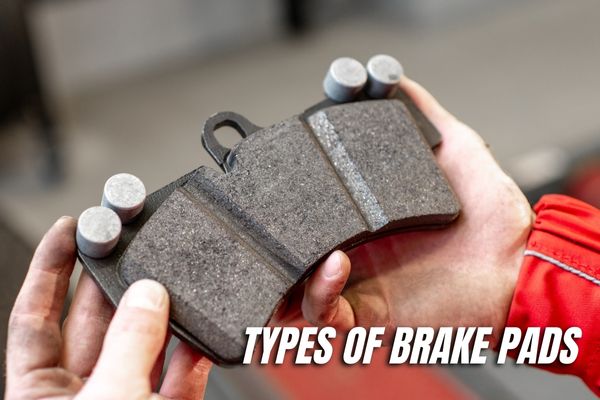
Semi-Metallic Brake Pads: Reliable for Cold Weather
Semi-metallic pads contain steel, copper, and graphite. They perform well in low temperatures and provide consistent stopping power.
These pads are ideal for Spring Park winters, where road salt and freezing rain can affect braking. They handle heat efficiently but can produce more dust and noise than other types.
Many pickup trucks and SUVs use semi-metallic brake pads because they offer strength under heavy braking loads.
Pros:
- Strong braking at low temperatures
- Long-lasting under stress
- Suitable for heavy vehicles
Cons:
- Louder than ceramic pads
- Can wear rotors faster
Ceramic Brake Pads: Smooth and Quiet Performance
Ceramic brake pads use dense ceramic compounds mixed with copper fibers. They offer quiet operation, less brake dust, and longer lifespan.
Ceramic pads are a good fit for sedans and light SUVs used for daily commuting on Shoreline Drive or Sunset Drive. They stay stable in moderate temperatures and require less frequent maintenance.
However, in freezing conditions or for towing, they can lose some efficiency.
Pros:
- Minimal noise
- Clean braking with low dust
- Consistent wear over time
Cons:
- Less effective in extreme cold
- Higher upfront cost
Organic Brake Pads (NAO): Gentle for Light Driving
Organic or NAO pads are made from fibers, rubber, and resin. They’re soft on rotors and provide smooth braking for smaller vehicles.
They suit drivers who mainly travel short city routes in Spring Park or nearby Mound. However, they wear faster and aren’t ideal for towing or steep grades.
Pros:
- Quiet braking
- Affordable
- Gentle on rotors
Cons:
- Shorter lifespan
- Lower heat resistance
Low-Metallic NAO Pads: A Balanced Option
Low-metallic NAO pads blend organic materials with small metal fragments. They deliver better heat transfer than organic pads without the harshness of full metallic pads.
They’re a good middle-ground for drivers who need reliable stopping power without sacrificing comfort. Expect more brake dust, but also improved control in heavy traffic.
Pros
- Better heat control
- Strong, steady braking
- Longer-lasting performance
Cons
- More brake dust
- Slightly louder stops
Carbon-Fiber Ceramic Pads: Built for Performance and Towing
Carbon-fiber ceramic pads use advanced composites for high heat tolerance. They resist brake fade during long downhill drives or towing — common around Lake Minnetonka.
They’re ideal for heavy-duty trucks, SUVs, or performance cars that demand consistent braking under load.
Pros:
- Excellent heat management
- Long lifespan
- Stable performance for towing
Cons:
- Expensive
- Overkill for basic commuting
How to Choose the Right Brake Pads
The right brake pad depends on your driving habits, vehicle weight, and local conditions. Here’s how to decide:
- Check your vehicle type. Trucks and SUVs need stronger pads like semi-metallic or carbon-fiber ceramic.
- Consider local weather. For cold, wet winters, go metallic. For mild, dry months, ceramic works well.
- Review driving habits. Frequent towing, steep hills, or stop-and-go traffic require more durable pads.
- Ask for certified parts. Choose pads that meet OEM specifications or industry standards.
How Brake Pad Replacement Works
During a brake service or inspection, a certified technician will:
- Measure brake pad thickness.
- Inspect rotors for scoring or rust.
- Replace worn pads with the correct type.
- Clean and lubricate brake hardware.
- Test for noise, vibration, and balance.
The process usually takes about one to two hours. Timely brake maintenance prevents rotor damage and ensures even wear across all wheels.
How Weather Affects Brake Wear
Spring Park’s mix of residential traffic and lakeside roads leads to frequent short trips. These trips often don’t give brakes enough time to cool down, accelerating pad wear.
Here in Spring Park, winter salt eats away at brake parts, and summer heat strains them on long drives. That’s why local ASE-certified shops recommend a yearly brake check — or sooner if you drive in heavy traffic or tow near Lake Minnetonka.
Case Study: How the Right Brake Pads Helped a Driver
A Spring Park truck owner noticed grinding noises and poor stopping while towing on Shoreline Drive. Here’s what happened:
- Issue: Wrong brake pads (organic) caused overheating and rotor wear.
- Fix: Installed semi-metallic pads and resurfaced rotors.
- Result: Quieter stops, stronger braking, better control in wet weather.
Takeaway:
Choosing the right types of brake pads makes a real difference — especially for those who tow, commute, or face Minnesota’s shifting weather. A simple change in brake pad material can prevent costly repairs and restore confidence behind the wheel.
Brake Pad Facts Backed by Industry Research
According to maintenance guidelines and industry sources:
- Brake inspections should occur at least once a year or every 12,000–15,000 miles to detect pad wear and rotor damage.
- The material of brake pads (ceramic, semi-metallic, organic) affects heat resistance, dust production, noise levels, and durability.
- Having a repair done by a certified technician using quality parts helps ensure reliable stopping power and longer brake system life.
Expert Brake Care and Reliable Service
Choosing the right types of brake pads keeps your car or truck safe and steady on Spring Park’s changing roads. Regular brake inspections and timely replacements help you stop smoothly, avoid costly damage, and stay confident driving along Shoreline Drive in any season.
For dependable service, visit Certified Auto Repair, a AAA-approved brake repair shop in Spring Park, MN. Our technicians handle everything from pad replacements and rotor resurfacing to full brake system care. Call today or book your brake inspection — and drive with peace of mind knowing your brakes are ready for whatever the road brings.
Frequently Asked Questions
How often should I replace brake pads?
Most pads last between 30,000 and 70,000 miles. Driving conditions and pad type affect lifespan.
What are the best brake pads for Minnesota winters?
Semi-metallic pads perform best in cold weather. They stay responsive and resist moisture buildup.
How do I know if my brake pads are worn out?
If you hear squealing or feel vibration, it’s time for a brake inspection. A soft pedal can also signal wear.
Are ceramic brake pads better than metallic ones?
Ceramic pads are quieter and cleaner, while metallic pads handle cold and heavy loads better. Choose based on your driving.
Can I mix brake pad types front and rear?
No. Mixing materials causes uneven braking and can stress your rotors. Always match pad types.
