Ever notice your Toyota acting a little grumpy during your drives around Spring Park? Maybe it shudders at a stoplight or feels slow pulling onto Shoreline Drive. Those small quirks can be easy to ignore, but they often point to simple issues that sneak up on a lot of local drivers.
That’s why getting familiar with a few Toyota spark plug replacement tips is so helpful—especially here in Spring Park, MN, where the weather and short trips can wear parts down faster than you’d expect.
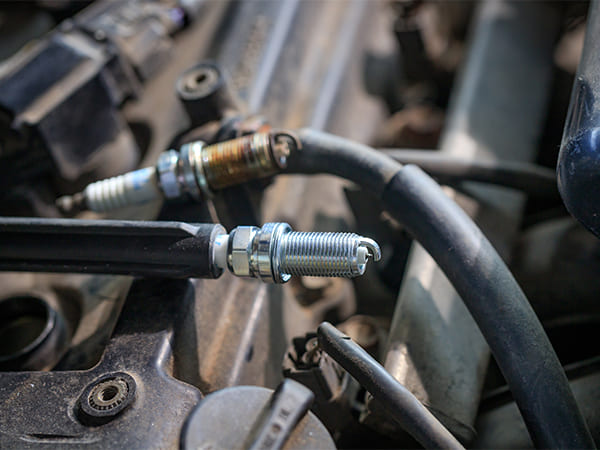
What Spark Plugs Do — and Why They Matter for Toyotas
Think of spark plugs as the tiny but mighty parts that kick-start combustion inside your Toyota’s engine. Every time you drive through Spring Park—whether you’re heading a couple miles to Navarre or taking a longer route toward Minneapolis—those plugs are firing constantly. When they wear out, your engine just can’t run the way it’s supposed to.
Here’s the simplest way to think about it:
Healthy spark plugs = quick starts, steady power, and good fuel efficiency.
Worn spark plugs = misfires, shaking at idle, and sluggish takeoff.
Most modern Toyotas use long-lasting iridium plugs. They hold up incredibly well, but they’re not immune to real-world wear—especially when you factor in Minnesota’s temperature swings.
Why Spark Plug Health Matters More in Spring Park, MN
Spring Park driving isn’t the same as driving in warmer, flatter parts of the country. Our conditions play a big role in spark plug wear:
- Cold winters: Your Toyota works harder to start, putting extra strain on ignition parts.
- Lots of short trips: Quick errands around town mean your engine rarely gets fully warm, which leads to a bit more carbon buildup.
- Lake humidity: Damp air from Lake Minnetonka can make borderline spark plugs perform even worse.
- Spring pollen and dust: When air filters clog up, spark plugs get dirtier, faster.
Because of all these factors, it’s pretty common for local Toyota owners to need spark plug service sooner than the maximum mileage listed in the manual.
Your Step-by-Step Guide to Toyota Spark Plug Replacement
Even if you’re not planning to crawl into the engine bay yourself, it’s helpful to know what the process involves. It builds trust and gives you a clearer picture of what your technician is actually doing.
1. Initial Inspection
Your mechanic checks for misfires, shaking at idle, slower acceleration, or worse fuel economy. They may also hook up an OBD-II scanner to look for ignition-related codes.
2. Access the Spark Plugs
Some Toyota models—like the Highlander, Sienna, or certain Camry engines—make technicians work a bit harder to reach the rear plugs. That’s why labor time can vary.
3. Removing the Ignition Coils
Each spark plug sits underneath an ignition coil. The coils get pulled carefully, and a good tech will check the rubber boots for any wear while they’re at it.
4. Removing the Old Plugs
Special spark plug sockets are used to remove the old ones. Their condition can actually reveal a lot—like whether your engine is using oil or running too lean.
5. Installing New Toyota-Approved Spark Plugs
Most Toyotas perform best with iridium plugs. They’re installed with precise torque because “too tight” or “too loose” can cause issues down the road.
6. Testing & Verification
The engine gets restarted, then the idle gets checked, and the scanner is used again to confirm everything looks right.
Toyota Spark Plug Tips from Real Experience
Here are some of the most helpful insights from the kind of spark plug issues mechanics see every week with local Toyota owners:
Tip 1: Don’t wait for a full-on misfire.
Most problems start small—a tiny stumble on the hills near Lake Minnetonka or a sluggish cold start. Catching it early prevents bigger issues.
Tip 2: Replace them as a set.
If one plug is worn, the others are right behind it. Replacing them all keeps the engine balanced and running smooth.
Tip 3: Stick with Toyota’s recommended iridium plugs.
They’re designed to match your engine’s needs. Cheaper alternatives often don’t perform as consistently.
Tip 4: Check your air filter at the same time.
A dirty filter creates poor airflow, which can foul new plugs quicker—especially during spring pollen season.
Tip 5: Have the battery tested too.
A weak battery forces the ignition system to work harder. Sometimes spark plug symptoms show up because the battery is fading.
Why Spark Plug Replacement Is So Valuable
The U.S. Department of Energy notes that misfiring plugs can hurt fuel efficiency by up to 30%. Toyota’s own training resources emphasize how critical proper ignition performance is for long-term engine health.
By keeping spark plugs fresh, you get:
- Smoother acceleration
- Better cold-start performance
- Cleaner emissions
- More consistent power
- Longer ignition coil life
And in a place like Minnesota—where summer and winter feel like different planets—those benefits matter even more.
Real-World Scenario: A Spring Park Driver’s Story
A Spring Park RAV4 owner stopped by recently because the SUV hesitated whenever they merged onto Shoreline Drive. No dashboard lights, nothing dramatic—just a subtle stumble.
After an inspection, the spark plugs were heavily worn, and two coils were starting to weaken. Once everything was replaced, the difference was immediate: smoother throttle, steadier idle, and better mileage.
This is extremely common around here. Many spark plug issues start quietly, long before a warning light comes on.
Supporting Data from Reputable Sources
- AAA reports that ignition problems are a major cause of roadside breakdowns nationwide.
- Toyota Technical Training emphasizes the importance of the correct plug type and torque for modern engines.
- Research from the SAE (Society of Automotive Engineers) shows how worn plugs disrupt combustion and increase emissions.
These findings line up with what experienced technicians see every day: spark plugs might be small, but they have a huge impact.
Trust Your Toyota’s Performance to Local Experts
Staying on top of these Toyota spark plug replacement tips helps you keep your vehicle running its best through every Minnesota season. If something feels off—hesitation, rough idle, slower response—it may be time for a quick inspection.
For friendly, expert help, the team at Certified Auto Repair here in Spring Park can walk you through what your Toyota needs and why. We’ll check things over, answer your questions, and point you in the right direction. If you’re unsure where to start, feel free to reach out and we’ll help you figure out the next step.
FAQs
How often should I change spark plugs in my Toyota?
Most Toyota iridium plugs last around 90,000–120,000 miles, but Minnesota’s climate and short-trip driving can shorten that a bit.
Can bad spark plugs damage other parts of my engine?
Yes. Misfires can overwork ignition coils and push unburned fuel toward the catalytic converter.
Why does my Toyota hesitate even without a warning light?
Early misfires don’t always trigger a light, but they’re often a sign your spark plugs are wearing out.
Are Toyota OEM plugs better than aftermarket ones?
In most cases, yes. Toyota designs its engines around specific plug materials and heat ratings.
What early signs mean it’s time for spark plug service?
Longer starts, rough idle, reduced mileage, and sluggish acceleration are all early indicators.