Have you ever noticed that your Toyota always seems to act up at the worst possible time? Maybe the ‘Maintenance Required’ light comes on just as you’re pulling out of a snowy driveway or trying to beat traffic on Shoreline Drive. Living in Spring Park, MN, with its weather extremes and lakeside roads, doesn’t make things easier on your car.
That’s why so many drivers rely on the Toyota factory service schedule guide. It’s the simplest way to stay ahead of problems before they turn into surprise repairs—especially with the extra wear and tear we get around Lake Minnetonka.
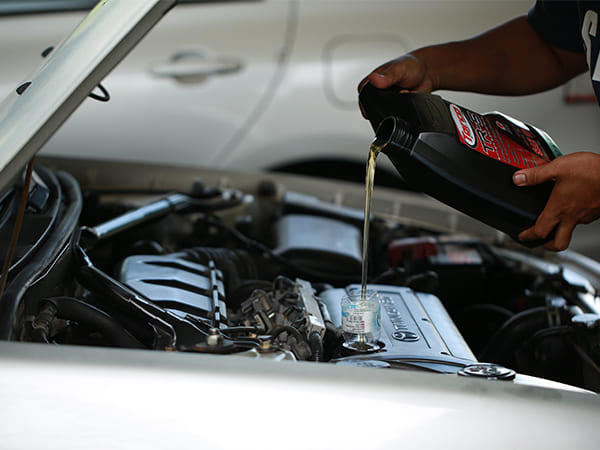
What Is the Toyota Factory Service Schedule Guide?
The Toyota factory service schedule guide is essentially your car’s roadmap to staying healthy. Toyota created it after testing their vehicles in all kinds of conditions, so the intervals for fluids, brakes, filters, and inspections aren’t random—they’re based on real engineering data.
Following it helps your car run safely and smoothly while protecting your warranty. It also makes a big difference in how well your Toyota handles our local roads and weather.
The Spring Park Factor: What Your Toyota Faces Every Day
Spring Park has a little bit of everything when it comes to driving conditions:
- Bitter winter temps that thicken engine fluids
- Road salt that eats away at metal
- Warm, muggy summers that stress belts and coolant
- Short trips along the lake that don’t always let your engine warm up fully
All these factors can accelerate wear and tear, which is why sticking to the Toyota factory service schedule guide is especially beneficial if you live or drive near Spring Park.
When to Follow Your Factory Schedule (Step-by-Step)
Every 5,000 miles — Oil Change, Tire Rotation, Inspection
This is your regular “quick check-up” for your Toyota: fresh oil, a tire rotation, and a general inspection to keep everything running smoothly. Around Spring Park, most drivers reach this point sooner than they expect because short lake-area trips make engines work harder. It’s a simple visit that helps prevent bigger headaches later.
Quick note: In our area, drivers reach this interval faster because short local trips make engines work harder than longer freeway drives.
Every 15,000 miles — Filters
By this point, your cabin and engine air filters have likely collected plenty of pollen, moisture, and dust from county roads. When those filters clog up, airflow drops and your engine strains more than it should. Swapping them out keeps your air clean and your Toyota breathing easy.
Every 30,000 miles — Brakes + Drivetrain
This is a key interval for checking brake components and the drivetrain, especially with the constant winter salt we deal with in Minnesota. If you regularly drive near boat launches or up and down sloped driveways, your brakes experience even more stress. Catching wear early saves you from expensive rotor or caliper repairs later on.
Every 60,000 miles — Coolant + Flushes
Coolant slowly breaks down over time, and it works overtime in Spring Park’s hot summers and icy winters. Flushing it at this interval helps prevent overheating, engine damage, and temperature-related issues. Think of it as giving your Toyota a fresh layer of protection.
Every 90,000–100,000 miles — Spark Plugs
Around this mileage, spark plugs start to lose their punch, which means slower starts and rougher performance. You’ll notice it most when accelerating onto the highway toward Mound or Minnetonka. Replacing them brings back smooth power and better fuel economy.
Why Sticking to the Schedule Makes Your Toyota Last Longer
- Fewer surprise repairs — everything stays in good working order
- Better fuel mileage, especially in colder months
- Longer engine and transmission life
- Warranty stays fully valid
- Higher resale value, because Toyota buyers look for maintenance history
Groups like ASE, AAA, and the Car Care Council all back this up with research: vehicles that stay on schedule simply cost less to own long-term.
Case Study: How Spring Park Drivers Benefit From the Toyota Service Guide
One thing we see constantly in Spring Park is brake wear happening much sooner than most Toyota owners expect. Those winding lake roads mean lots of slowing down, speeding up, and riding the brakes—so they heat and cool far more often than they’re designed for. Here’s what that looks like:
The Problem:
- Curvy shoreline roads require frequent braking.
- Winter road salt accelerates rust and corrosion.
- Short trips around the lake leave moisture on brake parts longer.
The Solution:
- Following the Toyota factory service schedule guide catches brake issues before they become serious.
- Routine inspections identify thinning pads, rotor wear, and salt-related damage early.
- Staying on schedule keeps braking smooth, safe, and far less expensive over time.
Research-Backed Support for Following Your Toyota Factory Schedule
Organizations like ASE (Automotive Service Excellence), AAA, and the Car Care Council consistently emphasize how important routine maintenance is for vehicle longevity and safety. Their research shows that drivers who follow their factory-recommended schedules experience fewer major repairs and significantly lower long-term maintenance costs. Toyota’s own durability testing lines up with this: vehicles simply perform better and last longer when serviced at the intervals their engineers designed.
Ready to Follow Your Toyota Factory Service Schedule?
Sticking with your Toyota factory service schedule guide is one of the easiest ways to keep your Toyota dependable on Spring Park’s roads and protected through every season. If you’d like professional help staying on schedule, Certified Auto Repair—a highly trusted, AAA-approved shop known for excellent customer satisfaction—offers everything from routine maintenance and full inspections to diagnostics and repair services.
Whenever you’re ready, you can schedule a maintenance check or explore our related posts for more local Toyota care tips. We’re here to make keeping your vehicle in top shape simple and stress-free.
Frequently Asked Questions
How can I tell if I’m behind on Toyota factory service?
Check your Toyota’s maintenance reminder or compare your mileage with the service intervals listed in your owner’s manual.
Does sticking to the Toyota Factory Service Schedule Guide affect my warranty?
Yes—Toyota expects you to follow these intervals for warranty protection.
Do Spring Park winters change what I should service?
They do. Batteries, brakes, and fluids wear out faster because of cold temps and road salt.
Can my Toyota use synthetic oil?
Most modern Toyota engines are designed for synthetic oil, and it can actually help during frigid winters.
Do short trips around the lake wear my car out faster?
Short trips keep the engine from fully warming up, which can break down oil quicker and require more frequent service.