Toyota owners in Spring Park, MN often mention the same problem when they stop by the shop: a strange whine, hum, or clunk coming from the rear of the vehicle. It usually shows up during turns, slow-speed acceleration, or highway cruising—and it’s easy to mistake it for tire noise or something loose in the trunk.
According to recent auto industry data, differential-related noises are among the top driveline complaints reported by drivers nationwide each year. This makes Toyota differential noise troubleshooting an important topic for local families, commuters, and weekend lake-area drivers who rely on their vehicles in every season.
Understanding Toyota Differential Noise
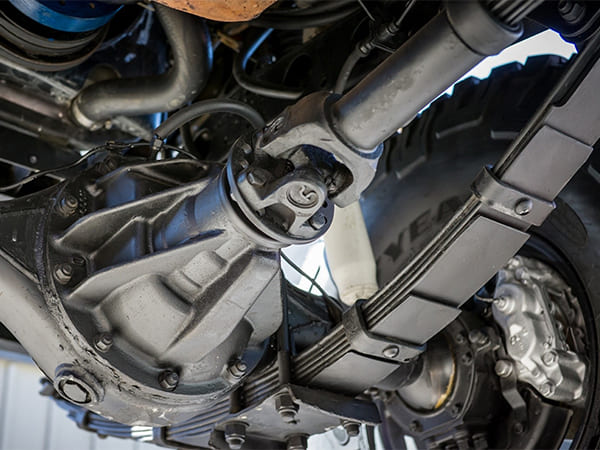
The differential is the component that allows your wheels to rotate at different speeds when you turn. In Toyotas—especially models like the RAV4, Highlander, 4Runner, Tacoma, and Tundra—this part is constantly working, whether you’re cruising through Spring Park roads or navigating snowy surfaces near Lake Minnetonka.
When something goes wrong, you might hear:
- A steady whining when accelerating
- A low humming at highway speeds
- A clunk when shifting from drive to reverse
- A rumble during tight turns
These sounds usually point to early wear inside the differential, issues with lubrication, or failing driveline components around it.
Common Toyota Differential Problems Seen in Minnesota
Here are the issues mechanics in Spring Park run into most often, especially with Toyota models that deal with our tough seasonal weather.
Thickened Winter Fluid
Minnesota winters can thicken old differential fluid, making it move slowly through the gears. When that happens, you’ll often hear whining or humming during those first few morning drives. Fresh fluid usually fixes this before it turns into a bigger issue.
Mechanic’s Insight:
“If your Toyota gets louder on cold mornings but quiets down after a few miles, it’s almost always the fluid telling you it’s overdue.”
Seal Leaks from Road Salt
Winter road salt dries out and cracks rubber seals faster than most drivers realize. Once the seals start leaking, the differential slowly loses fluid without any obvious warning signs. The noise usually shows up only after the level gets too low.
Bearing Wear from Stop-and-Go Roads
Short trips around Spring Park don’t give the differential fluid time to warm up and circulate properly. Over time, this puts more strain on the bearings and causes them to wear unevenly. That’s when humming and rumbling noises start to show up.
Mechanic’s Insight:
“Any noise that gets louder the faster you go is a classic sign of bearing wear—don’t ignore it.”
Moisture Contamination
Humidity, snow, and condensation can work their way into older differential housings. When moisture mixes with worn-out fluid, it creates rust inside the system. Rusted gears and bearings make much more noise and wear out faster.
Incorrect Fluid Type
Not all gear oils are the same, and Toyota models are especially picky about using the right kind. The wrong fluid can cause extra noise, roughness, or faster gear wear. A lot of differential problems start after a non-approved fluid change.
Mechanic’s Insight:
“We’ve seen more Toyota noise issues caused by the wrong gear oil than anything else—one small detail makes a big difference.”
What’s Actually Happening Inside the Differential
A Toyota differential is made up of gears, bearings, fluid, and seals—all working together. When one part starts to fail, you’ll usually hear it before you feel it.
Here’s a simple breakdown of what causes different noises:
| Noise Type | Possible Cause | What It Means |
| Whining | Low gear oil, worn ring & pinion | Gears aren’t gliding smoothly |
| Humming | Bearing wear | Bearings are losing smooth rotation |
| Clunking | Worn U-joints or excessive backlash | Excess play in drivetrain |
| Grinding | Gear damage or extremely low fluid | Severe wear—needs immediate attention |
Mechanics often catch these early, but once gears start grinding, repairs can become more complex and expensive.
How Long Is It Safe to Drive With Toyota Differential Noise?
A lot of Spring Park drivers ask, “Can I still drive it?” The short answer is: maybe—but be careful. Differential noise usually means something’s wearing out, and it tends to get worse the longer you drive.
When to Stop Driving
- The noise gets louder quickly
- You feel vibration in the floor
- You notice a burning smell or see leaking fluid
When It’s Usually Okay for Short Trips
- The noise is faint and steady
- It only happens in the cold
- The car still drives smoothly
Mechanic’s Tip:
“If the noise changes suddenly, that’s your sign to stop driving and get it checked.”
Real-Life Example: What a Spring Park Toyota Driver Experienced
A Spring Park resident named Laura brought in her 2016 Toyota RAV4 because she heard a humming noise around 40 mph. At first, she thought it was a tire issue, but the sound grew louder during long drives near Shoreline Drive.
During inspection, her differential fluid was low and contaminated with metal shavings. Luckily, we caught it before the gears were damaged. After replacing the fluid and addressing a small seal leak, the noise disappeared—and her RAV4 handled noticeably smoother on her commute.
Stories like Laura’s are common around Spring Park because fluctuating temps can cause seals to fail sooner than expected.
What Studies and Automotive Experts Have Found
Research from SAE International and Toyota’s own technical service bulletins show:
- Gear oil age is a top factor in early gear wear.
- Bearings that lack lubrication produce humming months before failing.
- Cold starts thicken differential fluid, increasing stress on gears.
- Regular driveline inspections reduce major failures by up to 60%.
This aligns closely with what certified mechanics see every day in Minnesota repair shops.
Helpful Reminder for Spring Park Drivers
Before assuming the noise is “just the tires,” consider these quick points:
- Differential noise rarely fixes itself.
- Small noises can point to bigger driveline issues.
- Minnesota winters make early wear more common.
- A simple inspection usually catches the issue fast.
- If your Toyota has over 90,000 miles, a differential check is smart even without symptoms.
What’s the Best Next Step for Toyota Differential Noise Troubleshooting?
In Spring Park, MN, the causes of Toyota differential noise usually boil down to fluid issues, bearing wear, seal failures, or gear problems that show up during seasonal weather changes. Understanding the source early helps you avoid major repairs and keep your Toyota driving smoothly all year.
If you’re unsure what’s causing the noise—or if it’s safe to keep driving—the ASE-certified team at Certified Auto Repair can diagnose it quickly and explain your options in clear terms.
Feel free to schedule a differential inspection, ask questions, or explore our related posts for more Toyota maintenance tips.
FAQs
What does a whining noise in my Toyota differential usually mean?
A whining sound often points to low or thinning gear oil. It can also mean gears are wearing unevenly.
Can cold weather make differential noise worse?
Yes, cold temperatures thicken the fluid, which can increase friction and amplify existing noises.
How often should Toyota differential fluid be changed?
Most Toyotas benefit from a fluid change every 30,000–60,000 miles, especially in places with harsh winters like Spring Park.
Is it safe to drive with differential noise?
You can usually drive short distances, but the longer you wait, the higher the risk of damaging gears or bearings.
Can tire noise be mistaken for differential noise?
Absolutely—tire cupping, uneven wear, or wheel bearing issues can sound very similar, which is why a proper inspection is important.