Spring Park, MN driving has a rhythm of its own, and your brakes feel every bit of it. From easing through lakeside traffic to slowing down on chilly mornings, your Toyota’s brake system stays busier than most drivers realize. That’s why having a clear Toyota brake pad replacement guide comes in handy for anyone navigating our local roads.
Many drivers are caught off guard when their brake pads wear out faster than expected. With Minnesota’s freeze–thaw cycles, heavy road salt, and constant temperature swings, brake components take on more strain than you might think.
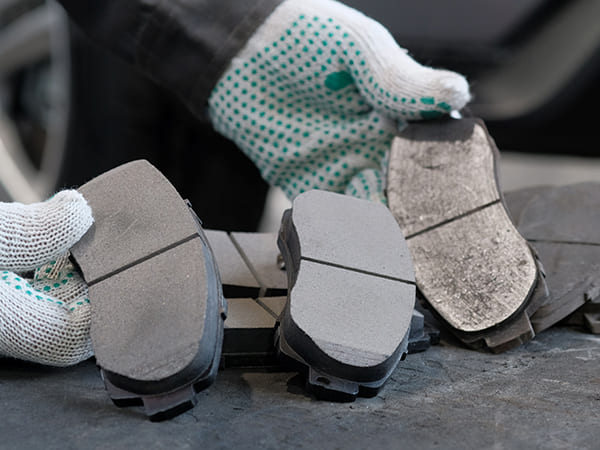
What Brake Pads Really Do (and Why Your Toyota Depends on Them)
Brake pads are friction plates that press against your rotors to slow your vehicle. When they wear down, stopping distance increases, rotors become vulnerable to scoring, and safety declines fast.
In simple terms: healthy brake pads protect your rotors, help maintain traction, and keep your Toyota safe during everyday driving.
The Three Most Common Toyota Brake Pad Types
| Brake Pad Type | Pros | Cons | Typical Toyota Use |
| Ceramic | Quiet, low dust, long life | Higher cost | Camry, Corolla, RAV4 |
| Semi-Metallic | Strong stopping power, durable | Louder, more dust | Tacoma, 4Runner |
| Organic | Softest, quiet | Short lifespan | Older Toyota models |
Step-by-Step Guide to Replacing Toyota Brake Pads
This breakdown reflects the same process an ASE-certified technician would follow. Whether you prefer doing your own repairs or simply want to better understand the service, this guide highlights each important step.
1. Detailed Brake System Inspection
A technician begins by checking:
- Pad thickness
- Rotor condition
- Brake hoses and lines
- Caliper operation
- Rust accumulation
Mechanic Insight: On many Toyota models, especially those driven through Minnesota winters, the inner brake pad wears faster due to slide pin corrosion.
2. Wheel and Caliper Removal
The vehicle is lifted, the wheel removed, and the caliper loosened or removed. This gives the technician full access to the brake pads and hardware.
Tip: For RAV4 and Highlander owners, keeping caliper pins lubricated is key for even pad wear.
3. Removing the Old Brake Pads
The worn pads are removed from the bracket. Anti-rattle clips are replaced when needed, and contact points are cleaned thoroughly.
Rule of thumb: If brake hardware is rusty, replace it. Minnesota winters make this essential.
4. Rotor Measurement and Inspection
Rotors are measured for:
- Thickness
- Heat damage
- Warping
- Deep grooves
If rotors are too thin or uneven, replacement is recommended.
Minimum Rotor Thickness Guidelines
| Toyota Model | Minimum Thickness | Mechanic Note |
| Camry | ~26 mm | Thin rotors warp faster in cold weather |
| Corolla | ~22 mm | Light rotors wear faster with frequent braking |
| Tacoma | ~28 mm | Heavy loads stress the rotor surface |
5. Installing New Brake Pads
New pads are installed with proper hardware, and specific contact points receive brake lubricant. Correct fitment prevents squeaks and vibration.
6. Reassembly and Torque Calibration
The caliper is reinstalled, bolts torqued to Toyota specifications, and the wheel secured.
Mechanic Insight: Over-tightened lug nuts frequently cause rotor warping. Proper torque matters more than most people realize.
7. Brake Fluid Check
Technicians inspect fluid clarity, level, and potential contamination. In colder climates, brake fluid absorbs moisture faster, which can reduce braking performance.
8. Test Drive and Final Verification
During the test drive, the mechanic checks for:
- Smooth stopping
- No grinding
- No pulling
- Strong pedal pressure
If performance checks out, the Toyota is road-ready.
How to Tell If Your Toyota Brake Pads Are Failing
Even if you’re not performing your own repairs, recognizing early symptoms can prevent costly damage. This checklist mirrors what many technicians look for during initial diagnostics.
Listen for Unusual Sounds
- Squealing often means the wear indicator is touching the rotor.
- Grinding usually means the pad is fully worn.
Watch for Pedal Changes
A brake pedal can reveal hidden issues:
- Soft pedal = possible air or moisture in the lines
- Hard pedal = restricted brake fluid flow
- Pulsing pedal = rotor warping
Pay Attention to Stopping Distance
If you notice it suddenly takes a little more room to bring your Toyota to a stop, that’s usually a sign your brake pads are wearing down. You’ll feel this even more when the roads are cold, wet, or slick around Spring Park.
Look for Dust Differences
If you’re seeing a lot of dark brake dust on your front wheels, your pads might be wearing faster than normal. When one wheel has more dust than the other, it often means a caliper isn’t moving the way it should.
Notice Pulling While Braking
If your Toyota drifts slightly to one side when you brake, your brake pads may be wearing unevenly. This tends to show up a lot after Minnesota’s icy winters take a toll on brake components.
Helpful “Should I Keep Driving?” Table
| Symptom | Safe to Drive Briefly? | Mechanic Note |
| Light squealing | Yes | Wear indicator is active; schedule soon |
| Grinding | No | Rotor damage likely |
| Vibrating pedal | Limited | Indicates rotor warping |
| Soft pedal | No | Unsafe braking pressure |
| Burning smell | No | Possible dragging caliper |
Why Brake Pad Replacement Matters: Data and Safety Perspective
According to the National Highway Traffic Safety Administration, brake-related failures contribute to thousands of accidents annually. Many involve:
- Overworn brake pads
- Glazed or warped rotors
- Brake fluid degradation
AAA studies also show that drivers in northern states experience faster brake deterioration because of temperature extremes and corrosion.
The takeaway aligns with Toyota’s official maintenance recommendations: regular inspections and timely pad replacement are essential for safety.
Why Front Brake Pads Wear Faster on Most Toyotas
If you’ve noticed your Toyota’s front brakes wearing out faster than the rear, that’s completely normal. The front handles most of the stopping power, so those pads take on the toughest work.
In Spring Park’s icy winters and frequent stop-and-go spots near the lake, the front pads work even harder, which means they usually need replacement sooner than the rear ones.
Front vs. Rear Wear at a Glance
| Brake Position | Typical Toyota Wear Rate | Why It Happens |
| Front pads | Faster wear | Most braking force shifts forward |
| Rear pads | Slower wear | Assist with stability, not full stopping power |
Keeping an eye on front pad thickness is one of the easiest ways to avoid sudden brake problems. If you feel vibration or hear new noises up front, it’s time for a quick inspection.
Real Spring Park Example: A Common Winter Brake Issue
A Toyota Highlander owner from West Arm Rd came in complaining of vibration during morning stops. After inspection, we found:
- Inner pads worn to metal
- Rotor scoring
- Nearly frozen slide pins
The repair was straightforward, but the driver said, “I wish I had caught this before winter hit.”
This is exactly why using a reliable Toyota brake pad replacement guide empowers drivers to recognize issues early—especially in climates like ours.
Keep Your Toyota Safer on Spring Park Roads
With the right knowledge and a dependable Toyota brake pad replacement guide, Spring Park, MN drivers can protect their Toyota’s braking system year-round. If you notice new noises, longer stopping distances, or pedal changes, it’s time for a professional inspection.
Need a second opinion or a brake check? Certified Auto Repair
in Spring Park is here to help with Toyota-specific service and clear answers to your questions. Contact us anytime for an inspection or browse our other posts for more local maintenance advice.
FAQs
How often should Toyota brake pads be replaced?
Most pads last 30,000–70,000 miles, though Minnesota winters often shorten that range.
What makes Toyota brake pads wear out faster in Spring Park?
Cold temperatures, salt exposure, and frequent stop-and-go driving accelerate wear.
Are OEM Toyota pads better than aftermarket pads?
Both can work well, but OEM pads are engineered for consistent Toyota braking feel.
Can I drive with brakes that squeal slightly?
You can for a short period, but the wear indicator means replacement is near.
Do new brake pads require a break-in?
Yes, 200–300 miles of light braking helps them seat properly on the rotors.