You walk out to your car on a cold Spring Park morning, hit the start button, and… silence. No lights, no crank, nothing. It’s frustrating — especially if you just replaced the battery a few months ago.
Here’s the thing: it might not be your battery at all. Around Spring Park, MN, we see this problem constantly, and more often than not, it’s the alternator draining the battery instead of a weak battery itself. Cold weather, short drives, and the constant stop-and-go near Lake Minnetonka all make alternator issues more noticeable here.
Knowing the signs that an alternator is draining the battery can save you time, money, and a tow bill. Let’s talk about how to spot them early — and why it’s a common headache for Spring Park drivers every winter.
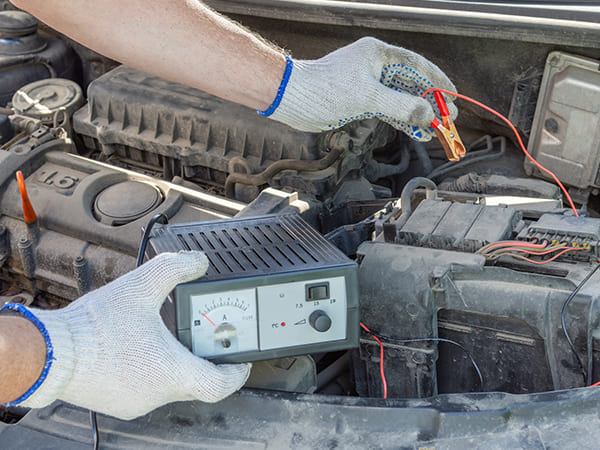
What the Alternator Actually Does
Think of your alternator as your car’s power source once the engine is running. It keeps everything electric — lights, radio, heated seats — powered up, and it recharges your battery while you drive.
When the alternator works correctly, the system stays balanced. But when it starts to fail, two major problems can happen:
- It doesn’t supply enough voltage, leaving the battery undercharged.
- It continues to pull power from the battery when the car’s off — that’s called a parasitic draw.
That second one is sneaky. You park at night, everything seems fine, but by morning, the battery’s dead again.
According to AutoZone’s alternator guide, bad diodes inside the alternator are a common cause of overnight battery drain.
Why Spring Park Drivers Deal with This More Often
Spring Park’s climate is tough on electrical systems. Between cold winters and lake humidity, vehicles here see charging system issues more frequently than in drier climates.
Here’s why:
- Cold weather slows the battery’s chemical reaction, reducing voltage.
- Short trips around town don’t give the alternator time to recharge the battery fully.
- Moisture and road salt corrode wiring and terminals faster.
- Seasonal storage (boats, snow vehicles, etc.) allows slow drains to develop unnoticed.
If your car starts fine after a long drive but dies after sitting for a day or two, that’s one of the clearest signs an alternator is draining the battery.
Mechanic’s Note: “Most Spring Park drivers don’t realize how short trips hurt their alternators. Ten-minute commutes rarely recharge the battery fully.”
Most Common Signs an Alternator Is Draining the Battery
Here’s what to watch for before your alternator leaves you stranded in the cold.
1. The Battery or ALT Light Comes On
That red battery icon or “ALT/GEN” light isn’t just about your battery — it’s often signaling an issue with the alternator’s charging output.
2. Dim or Flickering Lights
If headlights dim when you stop at a light and brighten as you accelerate, your alternator may not be keeping up with demand.
3. Repeated Dead Battery
Replacing your battery more than once in a short time? That’s a classic sign that the alternator is drawing power after the shutoff.
4. Electrical Accessories Acting Up
If power windows slow down or your radio cuts out when you start the car, your alternator may not be supplying consistent voltage.
5. Strange Sounds or Smells
A whining noise or burning-rubber smell can signal worn alternator bearings or a belt issue.
Pro Tip: “If your lights get brighter when you hit the gas, your alternator’s already struggling — don’t wait until it fails.”
Simple Ways to Tell If Your Alternator Is Draining the Battery
If you suspect your alternator might be the reason your car keeps dying, there are a few simple ways to confirm it — no guesswork required.
- Test the battery: It should read about 12.6 volts when off.
- Start the engine: Voltage should rise to 13.8–14.4 volts if charging properly.
- After shutdown: Wait 10 minutes, then test again. A small drain may mean the alternator’s pulling power.
If that sounds like a lot, don’t worry — a certified technician can test your charging system in minutes. It’s a quick check that can save you from repeated dead batteries.
Why You Shouldn’t Wait to Fix It
Driving with a weak alternator can do more damage than most people realize.
Here’s what happens if you ignore it:
- Your battery wears out faster from constant low voltage.
- Your starter and engine computer get inconsistent power.
- Your car might stall mid-drive once the voltage drops too low.
A quick test now can save you from needing both a new battery and an alternator later.
How to Keep Your Charging System Healthy
Here’s how Spring Park drivers can avoid alternator drain year-round:
- Drive at least 15 minutes per trip. Short drives don’t recharge your battery fully.
- Clean your battery terminals. Corrosion causes false “charging” errors.
- Check belt tension. A loose belt can mimic alternator failure.
- Schedule yearly charging checks. Especially before cold weather hits.
Simple habits like these keep your alternator working efficiently and your battery lasting longer.
Real-Life Example: Alternator Draining the Battery in Spring Park
Jane, a local from Spring Park, stopped by after her SUV kept killing brand-new batteries — three of them in six months. She was understandably frustrated and thought she’d just gotten unlucky with bad batteries.
Problem:
- Her battery kept dying overnight, even after replacements
- Headlights flickered during short drives around town
- Basic tests showed the battery was fine, but the issue kept coming back
Solution:
- Our technician ran a full charging system test and found a bad alternator diode
- The alternator was draining power even with the engine off
- We replaced it, checked the voltage overnight, and Sarah hasn’t had a dead battery since
Alternator Maintenance Backed by Expert Data
The National Institute for Automotive Service Excellence (ASE) recommends a charging system check once a year, especially before winter.
Modern alternators are computer-controlled, so even a minor voltage issue can affect performance, fuel economy, or electronics. Professional diagnostic equipment ensures you’re fixing the right problem the first time.
Mechanic’s Tip: “An alternator rarely dies overnight — it fades. Catching it early saves you from replacing both the battery and alternator later.”
Is Your Alternator Draining the Battery in Spring Park, MN?
If your car shows signs that your alternator is draining the battery, don’t wait until it leaves you stranded in a Spring Park parking lot.
At Certified Auto Repair, our ASE-certified technicians specialize in accurate diagnostics and complete maintenance. We use factory-level equipment to pinpoint issues fast — no guessing, no unnecessary parts.
We’re proud to serve our Spring Park community with honest, professional repair at a fair price. Visit us for a quick charging system check today, and drive home confident your car will start tomorrow.
Frequently Asked Questions
Can a bad alternator drain a new battery?
Yes. Even a brand-new battery can go dead if a failing alternator keeps drawing current after the engine’s off.
Why does my battery die only on cold mornings?
Cold weather slows the chemical reaction in your battery and exposes small alternator drains faster.
Can I keep driving with a weak alternator?
You might get a few short trips, but once the voltage drops too low, your car will stall. Don’t risk it.
How can I check the alternator drain myself?
Use a multimeter to measure the draw when the car is off. If pulling the alternator fuse stops the draw, that’s your answer.
What’s the best way to prevent alternator issues?
Drive longer routes weekly, clean connections regularly, and have your charging system tested at least once a year.