Here in Spring Park, MN, our cars go through a lot — dusty summer roads near the lake, spring pollen, fall debris, and winter road grit. Over time, all that stuff makes its way toward your engine’s air intake, and before long your Toyota might feel a little sluggish, a little rough, or just… not as smooth as it used to.
That’s usually when folks start looking into Toyota air filter replacement in Spring Park, MN. It’s not a “major repair” situation — it’s more like helping your engine breathe normally again. Let’s walk through what the air filter does, why it matters, and what the replacement process looks like in real life.
What a Toyota Air Filter Does
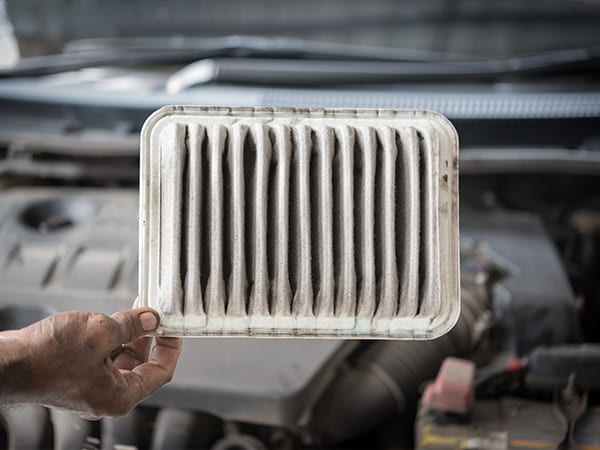
Your Toyota air filter has one main job — it keeps dirt, dust, pollen, and road debris out of the air going into your engine. When the filter is clean, air flows smoothly and the engine runs the way Toyota designed it to. But once it starts clogging up, the engine has to work harder to pull air through, and that’s when drivers begin noticing things like hesitation, weak acceleration, or a rough idle — especially when the weather shifts.
Most Toyotas do well with air filter replacement every 12,000–15,000 miles, but here in Spring Park — with gravel roads, lake dust, and seasonal debris — some vehicles need attention a little sooner. Nothing complicated about it — clean air goes in, performance feels smoother, and your engine breathes a whole lot easier.
Step-by-Step Toyota Air Filter Replacement
Step 1: Locate the Air Filter Housing
On most Toyotas, it’s the rectangular plastic box attached to the intake duct. You’ll usually find it near the engine air intake — it’s hard to miss once you spot it. Think of this as the “home base” for your air filter, where all the fresh air enters before reaching the engine.
Step 2: Release the Clips or Screws
Some models have metal clips, others small screws. The cover gets opened just enough to access the filter. There’s no need to force anything — a gentle lift is usually all it takes. Most techs take their time here to avoid dropping screws or bending the housing lid.
Step 3: Remove the Old Filter
A worn filter usually looks:
- Dark
- Dust-packed
- Dense and gritty
Once it’s out, you can instantly see the difference between a clean filter and one that’s been through a Minnesota season or two. Many drivers are surprised by how much debris collects inside — it really shows how much junk the filter keeps out of the engine.
Step 4: Check Inside the Air Box
Techs look for things like:
- Sand
- Leaves
- Road debris
- Pollen buildup
Anything loose gets cleared so nothing enters the intake. This quick inspection helps prevent future airflow problems and keeps small particles from getting pulled further into the system. It’s a simple step, but it goes a long way in protecting engine components.
Step 5: Install the New Filter
It has to:
- Sit flat
- Seal evenly
- Match the airflow direction
Otherwise, dirty air can sneak around the edges. A proper seal ensures the engine only takes in filtered air — not bypassing dust or debris. This is also why using the correct Toyota-spec filter makes such a difference in long-term performance.
Step 6: Close Everything Back Up
Clips or screws go back in place, then the seal is checked again. A quick double-check helps make sure the housing is fully secure and nothing is pinched or misaligned.
Shops also make sure the filter is the right Toyota spec, not just “close enough.” That part matters more than most people realize, especially for airflow and engine protection.
Why Replacing a Toyota Air Filter Makes the Car Feel Better
Putting in a fresh filter can help your Toyota:
- Accelerate more smoothly
- Breathe easier during everyday driving
- Reduce engine strain
- Stay more responsive on the road
The U.S. Department of Energy notes that heavily clogged filters can affect engine performance once airflow becomes restricted — and that lines up exactly with what techs see in real shops.
It’s one of those small maintenance items that makes a difference you can actually feel behind the wheel.
Case Study: How a Simple Air Filter Change Helped This Camry
A local driver came in with their Toyota Camry because it felt a little weak when accelerating and slightly shaky at stoplights. They were worried it might be transmission-related.
We popped the air box open — and the Toyota air filter was packed with dust, grit, and seasonal pollen. We replaced the filter, cleaned out the housing, and took it for a short drive.
Their reaction?
“Okay… yeah — that feels way better.”
We’ve seen this more times than we can count — quick fix, big improvement.
Clues Your Toyota Air Filter Might Be Due
Drivers around Spring Park often notice:
- Hesitation when accelerating
- Rough idle or vibration
- Musty intake smell
- Louder intake sound
- Filter that looks dark or clogged
Cold mornings tend to make the symptoms more noticeable — especially during startup.
If your car just “feels off,” the air filter is one of the first things worth checking.
Evidence-Backed Insight from Trusted Automotive Organizations
Organizations like:
- Environmental Protection Agency (EPA)
- Automotive Maintenance & Repair Association (AMRA/MAP)
Have reported that clogged filters can affect combustion consistency and drivability when airflow becomes severely restricted.
The Car Care Council, a long-standing automotive education organization, also recommends routine air filter inspections as part of preventive maintenance.
All of this lines up with real-world shop experience:
A timely Toyota air filter replacement helps your engine breathe cleaner and run more consistently over time.
Why Spring Park Driving Conditions Matter More Than People Think
Driving around Spring Park, MN exposes vehicles to a unique mix of conditions:
- Lake-area pollen
- Dust from gravel and rural roads
- Winter grit and debris
- Tree material and fall buildup
Because of that, local Toyota drivers sometimes need filter checks sooner than standard mileage schedules suggest.
A quick visual inspection during routine service goes a long way.
Your Local Toyota Air Filter Replacement Resource
To recap, Toyota air filter replacement in Spring Park, MN helps improve airflow, support smoother engine performance, and protect internal components from debris — especially with our changing seasonal conditions and road environments.
When you want guidance from experienced technicians who work with Toyota vehicles every day, the team at Certified Auto Repair provides professional inspection and replacement with clear explanations and straightforward recommendations. We take the time to walk customers through what they’re seeing — no pressure, no guesswork.
Whether you’re chasing a performance concern or just want reassurance, contact us for a friendly air filter check and helpful, honest feedback.
FAQs About Toyota Air Filter
How often should I replace a Toyota air filter?
Most Toyotas do well with replacement every 12,000–15,000 miles, though Spring Park drivers sometimes need it sooner due to dust and seasonal pollen.
Can I tell by looking if my Toyota air filter is dirty?
Usually, yes.
- Clean filter = light and breathable
- Dirty filter = dark, dense, dusty
If it looks packed and dull, it’s ready for replacement.
Can a clogged air filter affect acceleration?
Yes — restricted airflow can cause sluggish response or hesitation, especially during hills or highway merging.
Do Minnesota winters make air filter issues more noticeable?
Often they do. Cold starts can make restricted airflow symptoms easier to feel.
Is it okay to replace a Toyota air filter myself?
Some drivers prefer DIY — but a shop ensures:
- Correct filter match
- Proper seal
- Air box debris inspection
If you’re unsure, a technician can handle it quickly and safely.