Ever notice a faint, high-pitched whine through your car speakers while driving around Spring Park, MN? Maybe it gets louder as you accelerate past Lord Fletcher’s or heading down Shoreline Drive. That sound isn’t part of your favorite playlist — it’s your car trying to tell you something.
That noise is known as alternator whine, and it often shows up after long Minnesota winters or during humid summer months near Lake Minnetonka. Understanding how to identify alternator whine can help you catch small electrical issues before they turn into costly repairs — and bring the quiet back to your daily drive.
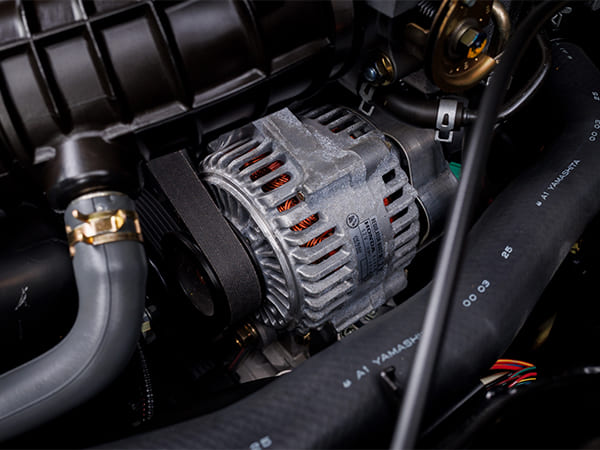
What Exactly Is Alternator Whine?
Your alternator is like a small power plant. It converts mechanical energy from your engine into electrical power to run your headlights, radio, and other systems. Ideally, that power is clean and consistent — but when something goes off balance, a bit of electrical interference (known as “noise”) can slip through your vehicle’s audio system.
That’s when you start to hear that whirring or buzzing sound that rises and falls with your RPMs. It’s basically the alternator’s electrical signature sneaking into the sound system.
Here’s a quick table to break it down:
| Symptom | Possible Source | What It Means |
| Whine changes with RPM | Alternator or ground issue | Electrical interference from the charging system |
| Constant whine, even when parked | Stereo or amp wiring | Audio grounding or shielding problem |
| Whine when accessories turn on | Voltage fluctuation | Alternator under heavy electrical load |
Why Alternator Whine Happens More in Spring Park, MN
If you live around Spring Park, you know our weather can be tough on cars. Between salty roads in winter and the lake air from Minnetonka, it’s no surprise that electrical gremlins like alternators whine show up more often here.
Here’s what usually causes it around town:
- Salt and Moisture: That lake humidity and road salt love to corrode battery cables and ground wires.
- Big Temperature Swings: One week it’s freezing, the next it’s 70° — those constant changes loosen electrical connections.
- Cold Starts: When it’s below zero, your alternator works extra hard to recharge the battery, which wears it out faster.
Add it all up, and you’ve got the perfect recipe for that high-pitched alternator whine you hear on your morning drive past Lord Fletcher’s.
What Causes Alternator Whine (The Real Reasons Behind the Noise)
Now, let’s dive deeper into what actually causes alternator whine — beyond the surface symptoms. This section will help you understand where the problem might be coming from and what to watch out for.
Failing Alternator Diodes
Inside your alternator are diodes that convert AC (alternating current) to DC (direct current). When one of these diodes goes bad, it allows a small amount of AC to leak into the system. That ripple creates interference in your vehicle’s electrical flow — and your speakers pick it up as a whine.
Poor Ground Connections
A loose or corroded ground wire is one of the most common causes of alternator whine. Your vehicle relies on a solid ground to stabilize voltage. If that ground is weak, power fluctuations occur — and the noise travels straight through your stereo or amplifier.
Worn Alternator Bearings
If the whine sounds more mechanical (like a faint grinding or jet-engine noise), it could be worn bearings inside the alternator. As they break down, they create friction and vibration, producing a noise that changes pitch with engine speed.
Faulty Audio System Wiring
Sometimes, the alternator is just the messenger. Poorly grounded or shielded audio components — like amplifiers or head units — can pick up electromagnetic interference from the alternator’s electrical field. This is common in vehicles with aftermarket audio upgrades.
Overworked Charging System
If you’ve added a lot of accessories — light bars, subwoofers, dash cams — your alternator may be maxed out. That strain can increase noise output, especially if the system’s wiring isn’t properly balanced for the added load.
Mechanic’s Tip: If you’ve recently added audio or lighting upgrades and the whine started afterward, the problem might not be your alternator — it could be a grounding or shielding issue in the new setup.
Why You Shouldn’t Ignore Alternator Whine
It might seem like just a small noise, but an alternator whine is your car’s way of giving an early warning. Left unchecked, it can turn into bigger problems — and nobody wants to deal with a dead battery in the middle of a Minnesota winter.
Here’s what can happen if you ignore it:
- Battery drain: Your alternator may stop charging efficiently.
- Dimming lights or weak electronics: Voltage fluctuations affect lighting and accessories.
- Audio issues: Prolonged electrical noise can damage speakers or amplifiers.
- Unexpected breakdowns: A failing alternator can leave you stranded without warning.
According to the Automotive Service Excellence (ASE) organization, small charging-system issues — like bad grounds or worn alternator components — often lead to larger electrical failures if left unresolved. In other words, catching that whine early can save you both time and money.
Real-Life Example: How Mark Beat Alternator Whine in Spring Park
Mark, a Spring Park resident, came in complaining about a high-pitched whine every time he accelerated along Shoreline Drive. The sound had been driving him crazy for weeks — especially on cold mornings.
After a quick inspection, we found the issue: a corroded ground strap and a failing alternator diode. Once we replaced the alternator and cleaned up the connections, the noise disappeared completely.
Now Mark’s drives around Lake Minnetonka are peaceful again — proof that catching alternator whine early can save time, money, and a lot of frustration.
Key Facts About Alternator Issues
- A healthy automotive alternator should maintain around 13.5 – 14.5 volts at the battery while the engine is running.
- Poor grounding or corroded wiring can cause voltage drops between the alternator and battery — for example, a reading of 14 V at the alternator but 12 V at the battery implies wiring or ground issues.
- Alternators for modern vehicles typically produce 50–70 amps (or more) and include internal diodes and regulators; failures in diodes/regulators can lead to alternator whine or electrical interference.
Hearing a Whine in Spring Park?
If that high-pitched alternator whine has been following you around town, it’s time to get it checked out. Learning how to identify alternator whine early helps prevent bigger issues — from weak batteries to full charging system failure — especially in Minnesota’s changing weather.
At Certified Auto Repair, our ASE-certified technicians specialize in alternator testing, charging system diagnostics, and electrical repairs — all backed by our 2 Year/24,000 Mile Guarantee for long-lasting reliability.
Don’t wait for the whine to get worse — schedule an inspection to request a quote today. And if you found this guide helpful, check out our upcoming posts on alternator pulley problems explained and how long do alternators last.
FAQs About Alternator Whine
What does an alternator whine sound like?
It’s a high-pitched hum that changes with engine speed — often heard through your speakers.
Can cold weather cause an alternator whine?
Yes. Minnesota’s cold starts and humidity can worsen electrical resistance, increasing alternator stress.
Is alternator whine a sign of alternator failure?
Not always — but it’s an early clue that something in the charging or grounding system needs attention.
Can I fix the alternator whine myself?
You can try cleaning and tightening grounds, but for diode or internal alternator issues, it’s best to see a certified technician.
Should I drive if I hear an alternator whine?
You can go for a short distance, but schedule a diagnostic soon. It could prevent a breakdown later.