
In Spring Park, MN, winter salt, lake moisture, and stop-and-go traffic wear down brake components faster than most drivers realize. Many people first notice a squeal, a soft pedal, or longer stopping distance but aren’t sure what it means.
Learning how to check brake pads helps you identify wear before it becomes dangerous. With a quick visual inspection, you can stay safe on slick Minnesota roads and avoid expensive repairs later.
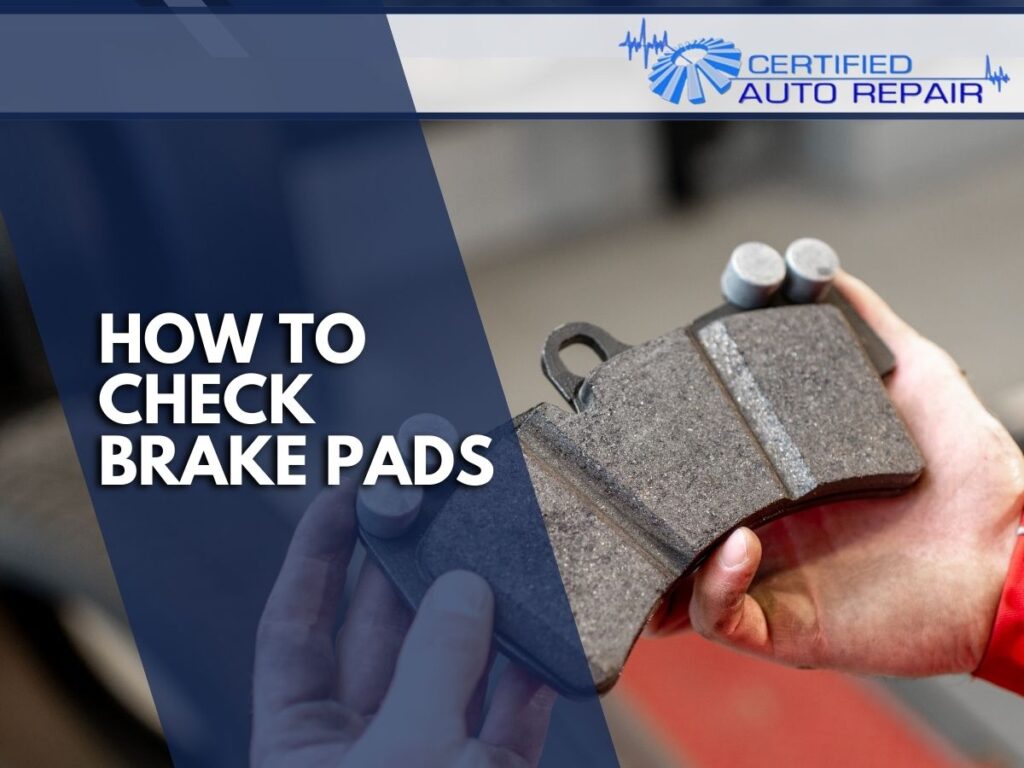
What Are Brake Pads and Why They Matter
Brake pads are the friction material pressed against your car’s rotors when you apply the brake pedal. This friction slows the wheels, converting motion into heat. Over time, that material thins out — and as it does, braking efficiency declines.
When brake pads become too thin, you may hear squealing, feel vibration, or notice longer stopping distances. Ignoring these signs can lead to rotor damage, caliper issues, or even brake failure.
How Often to Check Brake Pads in Spring Park, MN
Local conditions in Spring Park make brake maintenance especially important. Road salt from winter, lake humidity, and sand or gravel from lakeside roads accelerate corrosion.
Check your brake pads:
- Every 6 months or 6,000 miles.
- Before and after winter.
- After long trips with heavy braking.
Short, stop-and-go trips around Spring Park wear pads faster than steady highway driving.
How to Check Your Brake Pads at Home (Step-by-Step Guide)
Here are the steps to safely inspect your brake pads and identify early signs of wear before they become a safety issue.
Step 1: Park safely and prepare
Always start on level ground. Engage the parking brake and place wheel chocks behind the tires. Safety should come first before performing any inspection.
Step 2: Inspect through the wheel
Look through the wheel spokes to locate the brake pad pressing against the rotor. If the pad looks thin — about 3mm or less — it’s nearing replacement time. A flashlight helps you see clearly.
Step 3: Check both sides
Brake pads don’t always wear evenly. Turn your steering wheel slightly to view both the inner and outer pads. If one side looks thinner, it could signal a sticking caliper.
Step 4: Listen during braking
When driving, pay attention to sounds when applying the brakes. A squeal often means the wear indicator is contacting the rotor, while grinding means the pad surface is gone. Address either sound immediately.
Step 5: Watch for uneven wear
Uneven pad wear can point to problems with alignment, calipers, or suspension. Catching this early helps prevent additional repairs. If unsure, have a technician confirm the cause.
Step 6: Test drive
After inspection, take a short, slow drive in a safe area. Apply the brakes gently and note any pulling, noise, or vibration. If something feels off, schedule a professional inspection as soon as possible.
Why Checking Your Brake Pads Matters for Safety
According to the National Highway Traffic Safety Administration (NHTSA), over 20% of vehicle-related issues reported in crashes are linked to brake defects.
Checking your brake pads regularly ensures:
- Shorter stopping distances
- Reduced rotor wear
- Lower long-term repair costs
- Better control in emergencies
In Minnesota’s wet, icy winters, reliable brakes can prevent accidents caused by reduced traction or slippery roads.
Cost of Brake Pad Replacement
The cost depends on vehicle type, pad material, and whether rotors need replacement. On average in Spring Park:
- Standard pads: $150–$250 per axle
- Ceramic pads: $200–$350 per axle
- Rotors and pads together: $400–$600 per axle
Choosing quality parts ensures consistent braking and longer pad life, especially in harsh local conditions.
Real Example: How a Spring Park Driver Caught Brake Problems Early
Last winter, a driver in Spring Park, MN heard a faint squeal while braking along Shoreline Drive. It seemed harmless at first — the kind of noise many drivers ignore on cold mornings — but they decided to get it checked.
A quick inspection showed uneven brake pad wear caused by salt buildup from the previous season. Replacing the pads and cleaning the rotors prevented costly damage and restored smooth, quiet braking — a reminder that regular checks can stop small issues from becoming major repairs.
Expert Insights: What the Pros Say About Brake Maintenance
- ASE (National Institute for Automotive Service Excellence):
Recommends checking brake pads and rotors during every tire rotation or oil change. Early inspections help prevent uneven wear and braking issues. - Car Care Council:
Notes that short, frequent trips — common in Spring Park, MN — cause faster brake wear. Routine checks keep pads and rotors in better condition year-round. - Industry Data:
Drivers who inspect their brakes twice a year can reduce repair costs by up to 40% compared to those who wait for warning signs.
Small Brake Checks Make a Big Safety Difference
Learning how to check brake pads helps you catch wear early and stay safe on Spring Park roads. A quick inspection can prevent costly damage and ensure reliable braking in every season.
Our complete brake service includes a full system check, expert repairs, and a 24,000-mile / 2-year quality warranty for lasting confidence on the road.
If you’ve noticed squealing or reduced stopping power, schedule a brake inspection today at Certified Auto Repair. For more car-care tips, explore our related posts on seasonal maintenance and safe driving in Minnesota.
FAQs About Checking Brake Pads
Below are quick answers to the most common questions drivers ask about brake pad inspection and replacement.
How can I tell if my brake pads are too thin?
If the pad material is thinner than a quarter (around 3 mm), replacement is recommended. Thin pads reduce braking performance and can damage rotors if ignored.
Do I need to remove the wheel to check brake pads?
You can often see the pads through the wheel spokes for a quick look. Removing the wheel gives a clearer view and helps spot uneven wear on both sides.
What happens if I keep driving on worn brake pads?
Worn pads can damage rotors and make your car take longer to stop. This increases the risk of accidents, especially on wet or icy Spring Park roads.
Are front or rear brake pads replaced more often?
Front brake pads wear faster because they handle more braking force. The front of the car carries most of the load during stops.
How does cold weather affect brake pads?
Cold, salty conditions speed up rust and wear on pads and rotors. Regular winter inspections help prevent corrosion and keep braking smooth.
