
When your car won’t start on a cold Spring Park morning, the problem often isn’t the weather — it’s your battery. Understanding the differences in car batteries helps you choose the right one for reliability and performance in Minnesota’s changing climate.
Every driver should know what powers their vehicle, how long it lasts, and when to replace it. This guide explains battery types, how they work, and how to match one to your car and driving habits in Spring Park, MN.
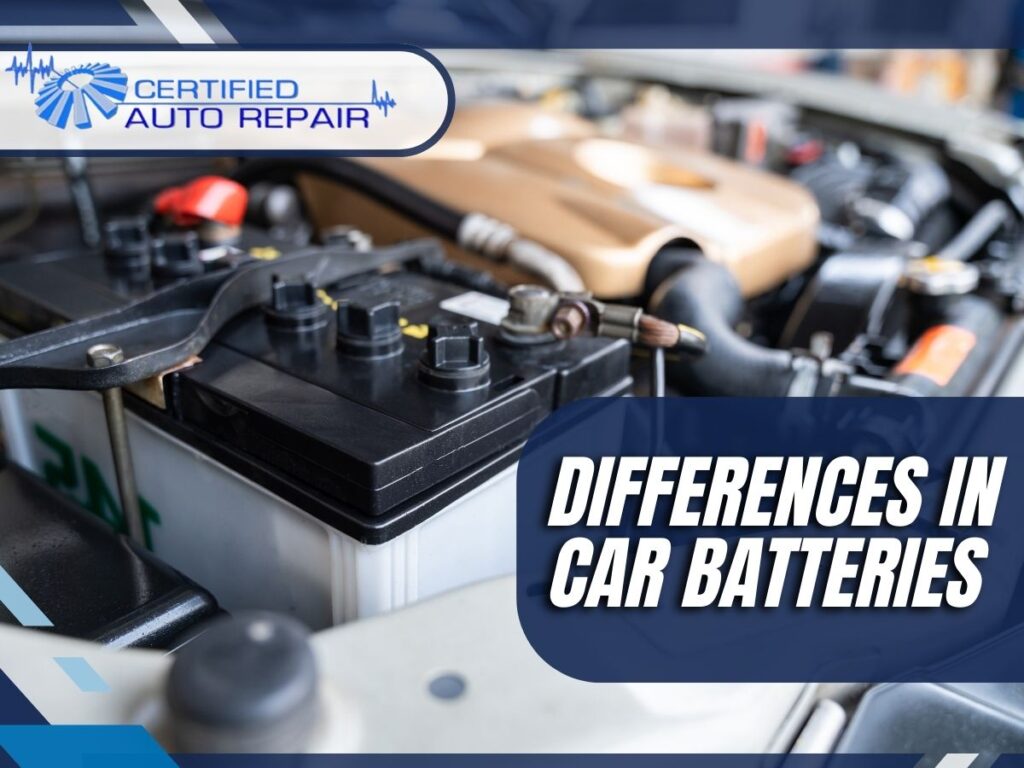
Types of Car Batteries Explained
Before replacing your battery, it’s important to understand the options. Modern vehicles rely on several battery technologies, each designed for specific driving conditions and electrical demands.
Lead-Acid (Flooded) Batteries
This is the standard battery type found in many vehicles. It uses lead plates and a liquid electrolyte solution. These batteries are affordable and easy to replace but require maintenance — especially topping up fluid levels. They work well for daily drivers with consistent use.
AGM (Absorbent Glass Mat) Batteries
AGM batteries use fiberglass mats to hold the electrolyte in place. This design provides better resistance to vibration and cold. They recharge faster and handle higher electrical loads. In Minnesota winters, AGM batteries perform more reliably during subzero starts.
Gel Cell Batteries
Gel batteries use a silica-based electrolyte that turns into a gel. This makes them leak-proof and ideal for off-road or marine vehicles. They last longer than standard lead-acid types but charge more slowly and cost more. For most passenger vehicles, AGM offers better balance between performance and value.
Lithium-Ion Batteries
These lightweight batteries store energy efficiently and power most hybrid and electric cars. They handle deep discharges and recharge quickly. However, they cost significantly more and require specific charging systems. They are rarely used in conventional gasoline engines.
Why Battery Type Matters for Minnesota Drivers
Cold weather reduces battery performance. A fully charged battery loses up to 35% of its strength at 32°F and up to 60% at 0°F. Spring Park drivers experience both extremes throughout the year.
Short drives — such as local errands or school pickups — make this worse. The alternator doesn’t have time to recharge the battery fully. Over time, this shortens its lifespan. Choosing a battery with higher cold-cranking amps (CCA) ensures reliable starts even in subzero mornings.
Local Tip: Check CCA Ratings
Always check the CCA rating when buying a new battery. This number measures how well the battery starts your car in freezing weather. A higher CCA rating means more dependable performance in winter. For Spring Park conditions, look for at least 600–800 CCA for most passenger vehicles.
How a Car Battery Works (And What Affects Its Lifespan)
Your car battery converts chemical energy into electrical energy. It powers the starter motor, lights, and electronics. When the engine runs, the alternator recharges the battery.
Over time, several factors reduce efficiency:
- Temperature Changes: Heat causes fluid evaporation; cold reduces chemical reaction speed.
- Driving Habits: Frequent short trips prevent full recharge cycles.
- Corrosion: Build-up on terminals increases resistance and weakens connections.
- Age: Even under ideal conditions, most batteries last three to five years.
Mechanic’s Tip: Clean Terminals Regularly
Use a wire brush and battery-safe cleaner to remove corrosion every few months. A clean connection ensures proper voltage flow and extends life.
Step-by-Step Guide for Choosing the Right Battery
When helping customers at our Spring Park shop, we follow a clear process to ensure the best fit:
Step 1: Confirm Manufacturer Specifications
Check your owner’s manual or existing battery label. The correct group size, terminal position, and amp-hour rating are essential for compatibility.
Step 2: Match Battery Type to Driving Habits
- Short trips and city driving → AGM battery for fast recharging
- Long highway drives → Standard lead-acid may suffice
- High-tech vehicles with advanced features → AGM or lithium-ion
Step 3: Evaluate Local Climate
In Spring Park, freezing temperatures justify a high-CCA AGM battery. Summers can also affect fluid-based batteries, so sealed designs prevent leaks and corrosion.
Step 4: Test Before Replacing
A weak alternator or parasitic drain can mimic a dead battery. Always test voltage and charging output before replacement.
Step 5: Professional Installation
Proper installation ensures secure mounting, clean terminals, and correct voltage calibration. Professional shops can recycle your old battery safely.
Signs You Need a New Battery
Watch for these symptoms:
- Slow engine cranking
- Dimming headlights
- Warning light on dashboard
- Electrical accessories losing power
- Swollen or leaking battery case
If two or more signs appear, schedule a test. A battery analyzer can confirm whether it holds charge properly.
Cost and Replacement Considerations
The cost of replacement depends on battery type and brand. Standard lead-acid batteries average $100–$150. AGM batteries typically range from $180–$250. Lithium-ion options cost more but last longer.
Labor costs vary depending on accessibility. Some newer vehicles require battery registration or reprogramming. Certified shops handle this safely with diagnostic tools.
Real-Life Example: When the Right Battery Made All the Difference
Last winter, a local driver came in after her SUV failed to start outside a grocery store. She had recently installed a low-capacity battery not rated for cold weather. We replaced it with an AGM model rated at 750 CCA. It performed flawlessly through multiple subzero mornings. That simple change matched her vehicle and driving conditions perfectly.
Authoritative Data Backing the Differences in Car Batteries
According to Consumer Reports, battery performance varies widely by brand and design. Testing shows AGM batteries maintain higher voltage under load and resist vibration better than flooded types.
The Battery Council International reports that nearly 40% of battery failures occur in cold regions due to undercharging and temperature extremes. Following recommended testing intervals twice yearly reduces the risk of failure.
Know Your Battery, Drive with Confidence!
Choosing the right car battery isn’t complicated once you understand the differences in car batteries and how climate affects performance.
In Spring Park, MN, an AGM or high-CCA lead-acid battery is usually best. Regular testing, clean terminals, and mindful driving habits keep your car starting strong all year.
If you’re unsure which battery fits your vehicle, Certified Auto Repair in Spring Park is ready to help — offering trusted service, warranty coverage, and local expertise that keeps you on the road confidently.
Which Battery Fits Your Vehicle Best?
Find the right car battery for Spring Park driving conditions with help from our ASE-certified technicians.
- Quick, accurate battery testing
- Cold-weather battery options
- Pickup & delivery available
- Loaner cars on request
- 36,000-mile warranty on parts & service
Visit us for a test or schedule a replacement today — we’ll make sure your vehicle starts strong in every Minnesota season.
FAQs About Car Batteries
Here are friendly answers to common battery questions from local drivers.
How long do car batteries last in Minnesota?
Most last 3–5 years. Cold weather shortens that by reducing chemical activity. Have it tested every fall and spring.
What’s the difference between CCA and CA?
CCA (Cold Cranking Amps) measures power at 0°F. CA (Cranking Amps) measures at 32°F. Always choose higher CCA for Minnesota.
Can I change my own battery safely?
Yes, but wear gloves, disconnect the negative cable first, and avoid touching both terminals. Always recycle the old battery properly.
My lights dim when I start the car. Is that normal?
Slight dimming is normal. If it’s severe or persistent, test the battery and alternator — one may be weakening.
Does short driving damage my battery?
Yes. Frequent short trips prevent full recharging. Take occasional longer drives or use a battery maintainer.
