
In Spring Park, MN, your brakes take a beating every year. Between freezing temperatures, road salt, and constant stop-and-go traffic near Lake Minnetonka, it’s no wonder brake problems show up sooner than expected.
This brake repair cost guide explains what you can expect to pay, what factors influence pricing, and how Minnesota’s seasonal conditions affect your brake system’s health. Understanding these details helps you plan smarter maintenance and avoid unexpected repair costs.
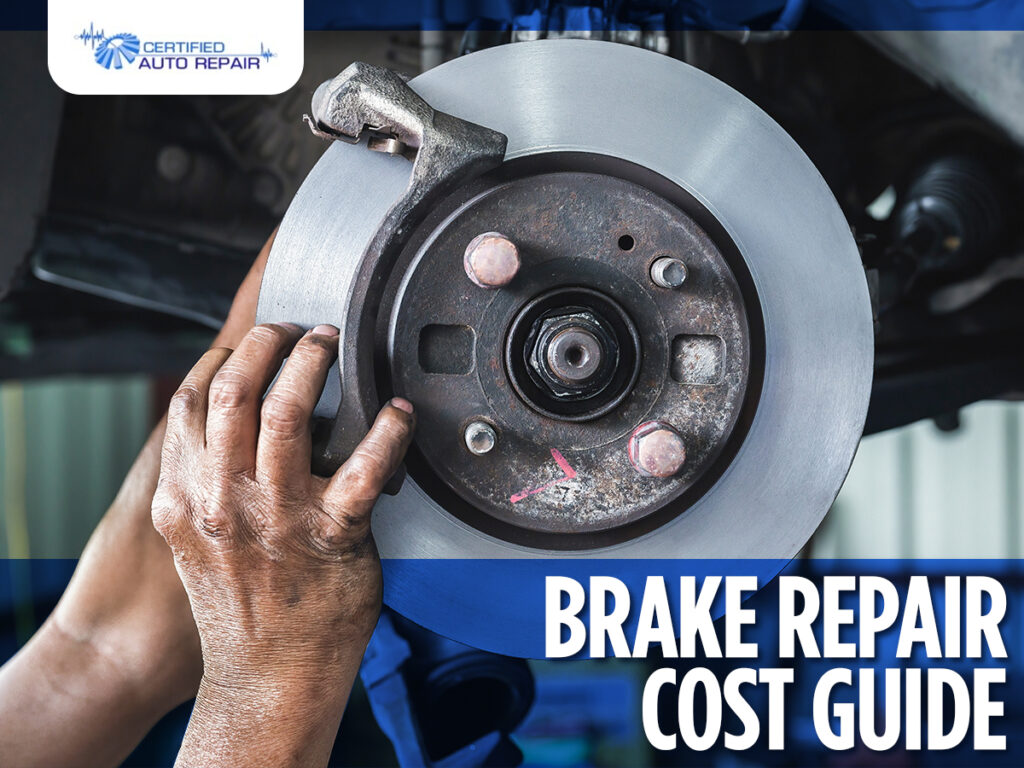
What’s Included in a Professional Brake Repair Service
A complete brake service involves more than swapping pads. Here’s what technicians inspect and replace during a standard repair.
Brake Inspection
The mechanic measures brake pad thickness, rotor wear, and fluid condition during inspection. They also check hardware and hoses to ensure everything functions safely and smoothly.
Diagnosis of Brake Issues
Technicians identify whether the issue involves worn pads, warped rotors, or hydraulic leaks. They use specialized tools to pinpoint the exact cause of poor braking performance.
Repair or Replacement
Depending on the diagnosis, the shop may resurface rotors or replace worn pads. Technicians also adjust or clean calipers to restore proper braking balance.
Brake Fluid Flush
Old brake fluid absorbs moisture over time, which can lead to internal corrosion. Flushing the system removes contaminants and maintains consistent hydraulic pressure.
Test Drive and Calibration
After completing repairs, technicians perform a road test to confirm a smooth braking response. They listen for noise, check pedal feel, and verify even braking across all wheels.
Each of these steps impacts the final brake repair cost, depending on your vehicle’s age, parts, and system design.
What Determines the Cost of Brake Repairs
Vehicle Type and Size
Larger vehicles such as the Ford F-150 or Jeep Grand Cherokee use bigger, heavier brake components. These parts cost more to replace and often require additional labor time during service.
Brake System Complexity
Modern vehicles with ABS or electronic parking brakes need specialized tools and calibration. These systems take longer to diagnose and service than traditional hydraulic brakes.
Driving Habits and Terrain
Frequent braking along Shoreline Drive or towing near Lake Minnetonka increases brake wear. Stop-and-go traffic and steep grades cause pads and rotors to heat up faster.
Seasonal Impact
Minnesota’s winter salt and moisture accelerate corrosion on rotors, calipers, and lines. Drivers who clean their undercarriage regularly reduce this seasonal brake damage.
Parts and Labor Quality
OEM (Original Equipment Manufacturer) brake parts cost more but deliver longer-lasting performance. Aftermarket parts can save money upfront, but may wear faster or perform inconsistently.
Typical costs:
- Brake pad replacement — $150–$300 per axle
- Full brake service with rotors — $600–$800
How Brake Repairs Are Priced
| Service Type | Average Cost Range | Description |
| Brake Pad Replacement | $150–$300 per axle | Pads only |
| Rotor Resurfacing | $200–$400 | Smooths surface |
| Rotor Replacement | $400–$700 | Includes new rotors and pads |
| Caliper Replacement | $300–$600 each | Fixes sticking or seized calipers |
| Brake Fluid Flush | $90–$150 | Replaces contaminated fluid |
Labor rates in Spring Park average $100–$150/hour, depending on shop certifications and diagnostic complexity.
How to Recognize Brake Problems Early
- High-pitched squeal or grinding noise
- Vibration or pulsing pedal
- Car pulls to one side when braking
- Burning smell after stopping
- Brake warning light illuminated
What to Do Next:
If you notice these symptoms, schedule a brake inspection immediately. Continuing to drive could cause rotor damage, doubling repair costs.
Real-Life Example: Brake Repair in Spring Park
A local Spring Park driver brought in their Honda Accord after hearing a squeal during light braking. The inspection uncovered uneven wear and rotor damage. Here’s how it broke down:
- Vehicle: 2017 Honda Accord
- Initial Symptom: Squealing noise when braking lightly
- Inspection Findings:
- One brake pad is completely worn
- The front rotor is deeply grooved and unsafe to resurface
- Estimated Early Repair Cost: Around $275 (pads only)
- Actual Total Cost: $560, including rotor replacement and extra labor
- Key Takeaway: Early brake inspections could have prevented additional rotor damage and nearly halved the final cost.
Regular brake checks every six months can help Spring Park drivers avoid similar unexpected repair costs.
Expert Advice: Why Timely Repairs Matter
According to the National Highway Traffic Safety Administration (NHTSA), brake-related issues contributed to about 22% of crashes caused by vehicle component failures, making brakes one of the most common mechanical factors in traffic accidents.
Automotive experts and ASE-certified technicians recommend having your brakes inspected every 6,000 to 8,000 miles—or sooner if you drive frequently in snowy, salty, or coastal areas where rust and wear develop faster.
Timely maintenance improves safety, extends part life, and lowers long-term costs.
When to Leave Brake Repairs to a Certified Mechanic
DIY Repairs: When They Work and When They Don’t
Replacing pads yourself may seem cheaper, but it carries risks. Incorrect torque, contaminated fluid, or misaligned parts can lead to poor braking or uneven wear.
Professional Service Advantages
Certified mechanics in Spring Park use torque tools, diagnostic scanners, and calibration systems to ensure accurate installation and testing — especially for vehicles with ABS or automated braking systems.
How to Lower Your Brake Repair Costs
- Brake smoothly and avoid sudden stops.
- Flush Brake Fluid every 2 years.
- Rinse the undercarriage after winter to remove salt.
- Rotate tires regularly to balance pad wear.
- Schedule professional inspections every 6 months.
These steps extend the lifespan of pads, rotors, and calipers — reducing your long-term brake service costs.
Your Reliable Brake Repair Cost Guide
Understanding your brake repair cost guide helps you plan and drive safely in all seasons. Your total cost depends on vehicle type, part quality, and local road conditions.
At Certified Auto Repair, every brake service includes:
- Complete system inspection
- High-quality part replacement
- 24,000-mile / 2-year warranty on all work
We service all makes and models, ensuring reliable performance whether you’re commuting through Spring Park or heading toward Lake Minnetonka.
Schedule a brake inspection with our team or reach out for a clear, honest estimate today — we’ll make sure your car is ready for every season in Spring Park.
FAQs About Brake Repairs
Have questions about your brakes? Here are quick answers from local experts.
How often should brakes be replaced?
Most pads last 30,000–70,000 miles, depending on driving style and vehicle type. Heavy braking or towing shortens that lifespan.
Why do brakes squeal even after service?
New pads can squeak during break-in. Persistent noise might indicate poor installation or low-quality parts.
Does Minnesota’s winter weather damage brakes?
Yes. Salt, slush, and moisture cause corrosion on rotors and calipers. Washing your car regularly reduces this risk.
Can I replace only the front brakes?
Yes, but it’s best to service both sides of an axle for balanced stopping and even wear.
What should I do if my brake light turns on?
Pull over safely and schedule an inspection. The warning may signal worn pads, low fluid, or a sensor issue.
