Cold mornings in Spring Park, MN, can be tough on your car. You turn the key, the lights flicker, and the engine hesitates. It’s easy to blame the battery—but more often than not, the alternator is struggling with the cold.
Your alternator keeps the battery charged and powers essentials like your headlights, heater, and defroster. When temperatures drop, it works overtime, pushing through thick oil, moisture, and frozen metal parts.
Understanding how cold weather affects your alternator—and spotting the signs early—can help you avoid winter breakdowns and save money on repairs.
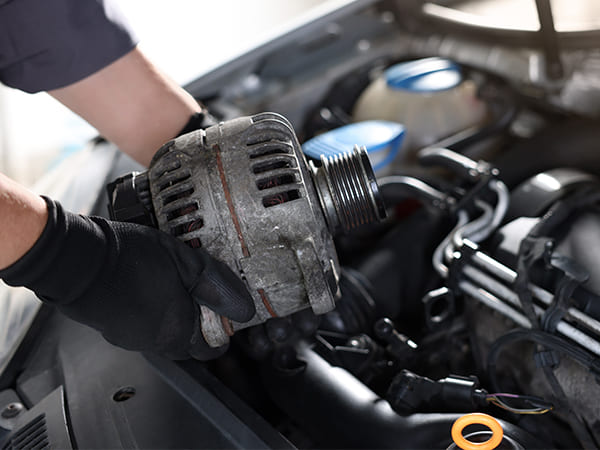
What Your Alternator Actually Does (and Why It Struggles in Winter)
Your alternator is the power source for your vehicle once the engine is running. It charges the battery and keeps all electrical systems—lights, wipers, and heated seats—operating smoothly.
In warmer weather, it does this effortlessly. But when temperatures drop sharply, your car demands more electricity while the alternator faces more resistance. No wonder alternator problems in cold weather are one of the main causes of winter breakdowns in Spring Park.
Pro Tip from a Local Mechanic:
“When it’s below zero, your alternator’s already working overtime before you even leave the driveway. Short trips and corrosion only make it worse.”
Why Cold Weather Is Tough on Alternators
Here in Spring Park, MN, the temperature often stays below freezing for weeks. Combine that with road salt, moisture, and quick drives around town, and your alternator’s job gets much harder.
Common Winter Stressors for Alternators
| Cause | What It Does | Result |
| Thick oil & cold bearings | Adds friction | Alternator spins slower |
| Battery drain | Forces the alternator to recharge constantly | Overheating or burnout |
| Road salt & moisture | Causes corrosion | Weak or erratic voltage |
| High electrical demand | Defrosters, heaters, and lights on full blast | Alternator overloads |
All these factors combine to wear your alternator down faster during Minnesota’s coldest months.
Step-by-Step: What Happens When Cold Hits
Here’s what’s going on when your car struggles on a freezing morning:
- You turn the key—the battery delivers a burst of power to start the engine.
- The alternator immediately kicks in to recharge the battery and power electrical systems.
- Cold oil and stiff belts make it harder for the alternator to turn.
- Any corrosion or loose connections reduces efficiency.
- You start to notice dim lights, a flickering dashboard, or a glowing battery light.
Each of these adds strain, and over time, your alternator simply can’t keep up.
How to Spot Alternator Problems in Cold Weather
It’s easy to mistake alternator trouble for a bad battery. Here’s how to tell the difference:
Signs of Alternator Trouble
- Headlights flicker or dim while idling.
- The battery light glows faintly on your dashboard.
- Power windows or heaters work inconsistently.
- Grinding or whining noises from the engine bay.
- A new battery keeps dying within weeks.
Mechanic Insight:
“If your new battery keeps going flat, that’s a big hint the alternator isn’t charging it properly.”
Local Weather, Local Impact: Spring Park’s Cold Factor
In Spring Park, MN, freezing temperatures and lake humidity take a toll on your car’s electrical system. Salt and short drives make it even tougher.
- Road salt and moisture from Lake Minnetonka corrode alternator parts.
- Cold starts force the alternator to work harder to recharge the battery.
- Short trips around town don’t give it enough time to recover.
Even if your car starts fine every morning, your alternator could be wearing down slowly without you realizing it.
Simple Preventive Maintenance Steps
You don’t need to be a mechanic to keep your alternator healthy. A few quick checks can make all the difference.
Quick Winter Prep Checklist
| Task | Why It Helps |
| Inspect belts | Prevents slipping in cold weather |
| Clean battery terminals | Keeps power flow strong |
| Check alternator output | Confirms proper voltage |
| Limit short trips | Gives the alternator time to recharge |
| Test before winter | Avoids mid-season surprises |
A quick alternator test takes only a few minutes and can save you from a cold-morning breakdown.
Real-Life Example: A Spring Park Driver’s Winter Alternator Fix
A local driver—let’s call her Sarah—came in last January after her headlights dimmed every time she turned on the defroster. She’d already replaced her battery twice.
A charging test showed her alternator was losing 30% of its output under load. The cause? Corroded wiring and a loose ground strap from salt buildup. We cleaned the connections, replaced the strap, and her charging system was back to normal. Since then, no more winter-starting issues.
Why Testing Matters (and What It Involves)
Checking your alternator isn’t complicated or expensive. A technician will:
- Measure voltage at idle and under load.
- Check belt tension and pulley alignment.
- Inspect battery connections and terminals.
- Look for corrosion or overheating marks.
If the alternator produces less than 13 volts while running, it’s a sign that it’s struggling. According to the U.S. Department of Energy, cold weather can reduce battery capacity by up to 40%. That means your alternator must work much harder during short winter drives.
Mechanic’s Advice for Cold Weather Driving
Quote from an ASE-Certified Tech:
“Your alternator’s like a treadmill—it can only take so much strain. Keep it clean, check your wiring, and don’t overload it.”
Small Habits That Help
- Don’t turn on every electrical accessory at once when starting.
- Let your car run a bit longer on short trips.
- Get your charging system tested before the first freeze.
These small habits go a long way toward preventing that dreaded “click-click” on a cold morning.
What to Keep in Mind This Winter
- Cold weather hits alternators hard. Freezing temps, road salt, and short drives in Spring Park, MN, add extra strain on your car’s electrical system.
- Watch for early warning signs. Dim lights, flickering dashboards, or a glowing battery light often point to alternator problems in cold weather.
- Your battery and alternator work together. If one struggles, the other will too—testing both before winter can prevent breakdowns.
- Simple habits make a big difference. Clean battery terminals, check belts, and limit short trips to keep your alternator healthy.
- Stay ahead of the cold. A quick charging system test before the first freeze helps ensure your car starts strong all winter long.
Need Help Getting Your Car Winter-Ready?
Cold weather affects every part of your vehicle—from the battery and alternator to your tires and fluids. In Spring Park, MN, freezing mornings make regular maintenance essential for safety and peace of mind.
At Certified Auto Repair, our ASE-certified technicians handle everything from electrical diagnostics and battery checks to full winter maintenance services. We use advanced factory tools and training to make sure your car’s ready for whatever Minnesota throws your way.
If you’re getting ready for winter driving, schedule a maintenance check today. You can also explore our posts on battery care and winter safety tips to stay prepared.
Frequently Asked Questions
Can my alternator freeze in extreme cold?
Not exactly. The components can stiffen, and frozen moisture around connections can cause short-term problems.
Is it bad to jump-start my car often in winter?
Frequent jump-starts stress your alternator and battery. Get your charging system tested if it happens more than once a week.
Should I unplug accessories like phone chargers overnight?
Yes, even small drains add up in the cold. Unplugging helps your alternator recover faster.
How long should I let my car run to recharge the battery?
Drive at least 15–20 minutes to let your alternator restore a full charge. Idling isn’t as effective.
What’s the easiest way to prevent alternator issues before winter?
Schedule a quick charging system test in October or early November—it’s fast, affordable, and prevents most winter breakdowns.