Remember that awful squeal when you fire up your engine? That cringe-worthy sound is often the first clue your alternator belt might be acting up. That noise isn’t just irritating — it’s one of the most common alternator belt noise causes that drivers experience.
Locals in Spring Park, MN, notice it most on chilly or damp mornings when moisture makes the belt slip. Understanding the main alternator belt noise causes can help you prevent breakdowns, save money, and keep your car running smoothly through changing Minnesota weather. Let’s look at why it happens, how to fix it, and what local drivers can do to stay ahead of the problem.
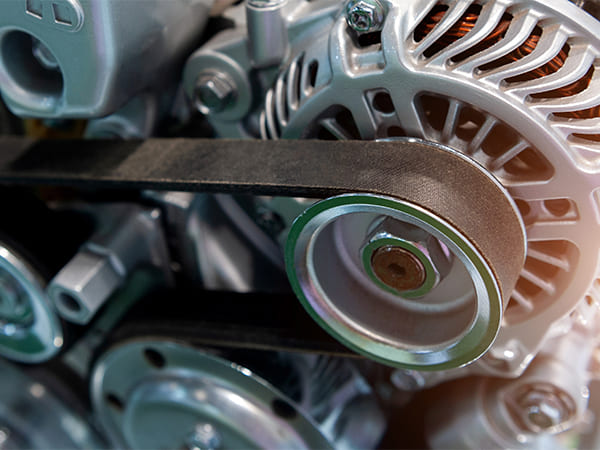
Understanding Alternator Belt Noise Causes and Their Impact
The alternator belt, often part of your car’s serpentine belt system, transfers power from the engine to the alternator. It keeps your battery charged and other accessories — like your air conditioning and power steering — running smoothly.
When the belt slips or wears, it creates friction and makes noise. That squeal or chirp is usually the first symptom of alternator belt noise causes, which can include tension problems, misaligned pulleys, or worn rubber.
Reasons Why Your Alternator Belt Makes Noise
There are several specific reasons why your alternator belt makes noise, and understanding them helps you act fast before bigger damage occurs.
Worn or Aged Belt Material
Over time, the rubber on your alternator belt hardens and loses flexibility. Cracks form, and the surface becomes glazed, creating less grip. When this happens, the belt slips against pulleys, producing that distinct squealing sound — especially on cold starts.
Incorrect Belt Tension
If your belt is too loose, it won’t grip the pulleys properly, causing it to slip and squeal under load. On the other hand, a belt that’s too tight can strain bearings and lead to premature pulley wear.
Pro Tip: “If you can twist your belt more than 90 degrees, it’s too loose. Proper tension is the sweet spot,” says Dave, an ASE-Certified Mechanic
Misaligned Pulleys
Misalignment between the alternator, tensioner, or idler pulleys can cause edge wear and chirping noises. Even a few millimeters of offset can throw off the belt’s path and create high-pitched friction sounds.
Contaminants on the Belt
Oil, coolant, or road debris can make a belt slick and noisy. These contaminants reduce traction between the belt and pulleys, causing constant slipping. Cleaning the belt rarely solves the problem; replacement is usually needed.
Failing Bearings or Pulleys
Sometimes, the noise isn’t from the belt at all — it’s from a pulley or bearing. When these parts start to fail, they can produce a chirping or grinding noise that sounds like a bad belt.
Mechanic’s Note: “Spin each pulley by hand when the engine’s off. Any grinding or wobble means it’s time for a new bearing.”
Why Alternator Belt Noise Is Common in Spring Park, MN
Weather plays a huge role in alternator belt noise, especially in places like Spring Park. Temperature swings, road salt, and humidity all speed up belt wear.
When the weather cools, belts contract and harden, making them more likely to squeal on startup. During spring, moisture and condensation from nearby Lake Minnetonka create temporary slippage until the belt warms up.
Drivers who commute along Shoreline Drive often notice more noise after rain or snow. That’s because humidity and salt residue reduce traction on the belt’s grooves.
Mechanic Quote: “We see belts squeal more in the spring because of moisture and leftover salt. A quick check after winter can save a tow later.” — Mark, ASE-Certified Technician
Step-by-Step Guide: How Mechanics Diagnose Alternator Belt Noise Causes
When you bring your vehicle in for belt noise, your mechanic follows a few key steps to isolate the issue.
Step 1: Inspect Belt Condition
Technicians look for cracks, fraying, or glazing. A shiny surface means the belt has lost grip and should be replaced.
Step 2: Check Tension and Alignment
They use a tension gauge or visually inspect the belt’s deflection. If it moves too easily or sits off-center on a pulley, it’s a clear red flag.
Step 3: Listen for Bearing or Pulley Noise
Using a mechanic’s stethoscope, the technician listens for grinding or squealing directly from the pulleys.
Step 4: Inspect for Contamination
Oil or coolant near the belt area indicates leaks. A clean replacement belt only works if the source of contamination is repaired.
Step 5: Verify After Repairs
After installing a new belt or tensioner, the engine is tested at cold start and under acceleration to ensure the noise is gone.
Case Study: How a Driver Solved a Persistent Alternator Belt Noise Problem
A local Spring Park driver brought in a 2017 Toyota Camry with a persistent morning squeal. The noise only occurred when the weather was damp.
After inspection, the mechanic found the belt glazed from road salt buildup and the tensioner spring weak from age. Both were replaced, and the pulleys were cleaned. The next morning, the driver reported total silence — and much less stress during their commute along Shoreline Drive.
Pro Tip: “Replace your belt every 60,000 miles, or sooner if it squeals. Weather and road salt can shorten its lifespan.” — Mike, Certified Mechanic
How Alternator Belt Problems Affect Vehicle Performance
Ignoring alternator belt noise can create larger issues. When the belt slips, your alternator may not generate enough power to charge the battery. Over time, this can lead to weak starts, dim headlights, and poor electrical performance. If your alternator belt also drives the water pump or power steering pump, a break could cause engine overheating or loss of steering control.
According to the National Highway Traffic Safety Administration (NHTSA), mechanical issues such as broken or worn drive belts can contribute to vehicle breakdowns — and most of these failures are preventable with regular maintenance.
Fixing Alternator Belt Noise Causes
When your car starts squealing, it’s not just annoying — it’s a sign something’s off. Knowing the alternator belt noise helps you catch small problems before they turn into major repairs. Most of the time, it’s just a worn belt, a weak tensioner, or a pulley that’s out of line.
At Certified Auto Repair, our ASE-certified technicians use advanced tools and real experience to find and fix the cause fast. We handle everything from belt replacements to full preventive checkups, so you can drive confidently no matter the season. If your car’s making noise, don’t wait — schedule a quick inspection and keep your ride running quiet and reliable.
For more local car care tips, explore our related posts on alternator health and seasonal maintenance.
Frequently Asked Questions
Why does my alternator belt squeal only when it’s cold?
Cold weather stiffens rubber, reducing flexibility. Once the belt warms and softens, it regains traction, and the squeal disappears.
Can a belt dressing fix the alternator belt noise?
Not effectively. Belt dressing provides temporary silence but attracts dirt and oil, making slippage worse over time.
Is it safe to drive with a squealing alternator belt?
It’s safe for short trips, but not recommended. The squeal signals slippage or misalignment that can quickly lead to failure.
How long does a professional belt replacement take?
Most alternator belt replacements take 45 to 90 minutes, depending on the vehicle’s design and accessibility.
How can I prevent alternator belt noise after replacement?
Ask your mechanic to clean pulleys and verify tension during installation. Proper alignment prevents early noise return.