Engine diagnostic service uses onboard vehicle data and hands-on testing to identify performance issues, warning lights, or hidden faults. This article breaks down how engine diagnostics work, the issues that commonly show up, how to interpret warning signs, and why accurate diagnosis is essential for safety, reliability, and long-term vehicle performance—especially in typical Spring Park driving conditions.
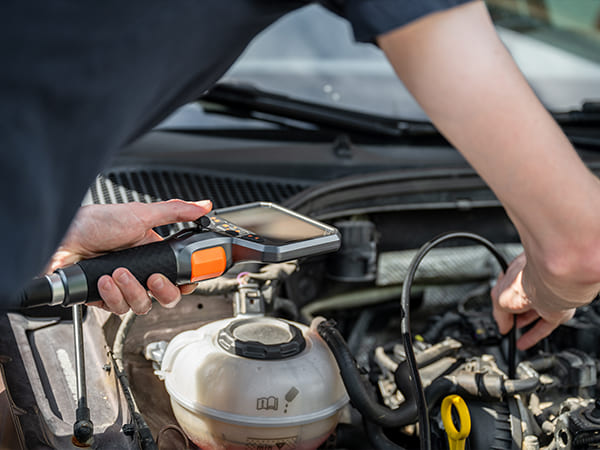
Why Engine Diagnostic Service Matters
Modern vehicles rely heavily on electronics. When something goes wrong, the engine control module (ECM) stores data that points to the issue. But that data doesn’t automatically tell the full story.
An engine diagnostic service helps translate what the vehicle is reporting into a real-world explanation—what’s failing, why it’s happening, and what should be done next. Without proper diagnostics, repairs often turn into guesswork, which leads to wasted time, unnecessary parts, and unresolved problems.
For drivers in Spring Park, where vehicles face seasonal temperature swings, short trips, and long idle times, engine systems tend to experience wear patterns that make proper diagnostics especially important.
How Engine Diagnostics Identify Problems
At its core, engine diagnostics involves reading data from the vehicle’s onboard computer and interpreting it alongside physical testing.
Here’s what that typically includes:
- Scanning for diagnostic trouble codes (DTCs)
- Reviewing live sensor data
- Checking fuel, ignition, and air intake systems
- Verifying emissions-related components
- Testing electrical signals and connections
- Comparing readings against manufacturer specifications
Experienced technicians rely on pattern recognition, historical failure data, and vehicle-specific behavior to interpret results accurately—especially when faults are intermittent or misleading.
Common Issues Found During Diagnostics
Some problems show up frequently during engine diagnostics, even when drivers aren’t noticing major symptoms yet.
Common findings include:
- Faulty oxygen or mass airflow sensors
- Misfires caused by worn ignition components
- Vacuum leaks affecting fuel mixture
- Emissions system failures
- Cooling system sensor issues
- Intermittent electrical faults
Many of these conditions develop gradually and may not trigger immediate drivability complaints, which is why early diagnostic evaluation is often more effective than symptom-based repair.
Symptoms vs. Root Causes: Understanding the Difference
One of the most misunderstood parts of engine diagnostics is the difference between what you feel and what’s actually wrong.
Common symptoms:
- Check engine light
- Rough idle
- Poor fuel economy
- Hesitation or loss of power
- Hard starting
- Stalling
Possible root causes:
- Failing sensors
- Air or vacuum leaks
- Fuel delivery problems
- Ignition timing issues
- Software or communication faults
- Mechanical wear
For example, a misfire code may point to a spark plug—but the real issue could be a failing coil, injector problem, or low compression. This is why replacing parts based only on codes often leads to repeat visits.
Professional diagnostics are designed to confirm failure—not assume it—reducing repeat repairs and unnecessary part replacement.
Preventive vs. Reactive Diagnostics
Diagnostics aren’t only for breakdowns.
Preventive diagnostics can catch:
- Sensors drifting out of range
- Early emissions failures
- Fuel mixture issues
- Developing electrical problems
Reactive diagnostics, on the other hand, happen after a warning light, drivability issue, or breakdown occurs. These tend to be more urgent and sometimes more costly.
Routine inspections and early diagnostics often prevent:
- Reduced fuel economy
- Catalytic converter damage
- Failed emissions tests
- Unexpected no-start situations
Preventive diagnostics are commonly used during routine inspections, pre-trip checks, or when subtle changes in performance appear before a warning light is triggered.
Understanding Cost, Downtime, and Safety Risks
Ignoring diagnostic warnings can create compounding problems.
What starts as a minor sensor fault can lead to:
- Engine running too rich or lean
- Overheating
- Increased emissions
- Premature component failure
- Reduced reliability
From a safety standpoint, engine performance issues can affect acceleration, stalling behavior, or drivability in traffic—especially during cold starts or highway merging.
Downtime is another factor. Early diagnostics usually mean shorter repair times. Waiting until symptoms worsen often leads to longer shop visits and more complex repairs.
How Local Driving Conditions Impact Engine Performance
In the Spring Park area, vehicles often experience:
- Frequent short trips that don’t fully warm the engine
- Seasonal temperature swings affecting sensors and batteries
- Increased corrosion risk from winter road treatments
- Stop-and-go driving patterns
These conditions place extra strain on emissions systems, ignition components, and engine sensors—making accurate diagnostics especially important for long-term reliability.
Vehicles operated primarily in these conditions benefit most from diagnostics that account for environmental stress, driving patterns, and seasonal changes—not just stored fault codes.
Common Misconceptions About Engine Diagnostics
“If the light turns off, the problem is gone.”
Not always. Many faults are intermittent and return later, often worse than before.
“Any scan tool gives the same answer.”
Basic scanners only show surface-level codes. Professional diagnostics involve deeper data analysis and testing.
“It’s safe to keep driving if the car still runs.”
Some issues cause hidden damage even when drivability seems normal.
“Diagnostics are just a way to sell repairs.”
Proper diagnostics are meant to prevent unnecessary repairs—not create them.
When Professional Diagnostics Make Sense
You should consider a professional diagnostic evaluation if:
- A warning light appears and stays on
- The vehicle behaves differently than usual
- Fuel economy drops suddenly
- The engine runs rough or stalls
- You’re preparing for a long trip
- Previous repairs didn’t solve the issue
A trained technician can determine whether a problem is urgent, developing, or simply a sensor anomaly—saving time and uncertainty.
A Real-World Example of Proper Engine Diagnosis
A vehicle comes in with an intermittent check engine light and slightly reduced fuel economy. A quick scan shows an oxygen sensor code.
Rather than replacing the sensor immediately, diagnostics reveal a small exhaust leak causing incorrect readings. Fixing the leak resolves the issue, avoids unnecessary parts, and restores proper engine operation.
This is the value of diagnosis over guesswork.
Professional Engine Diagnostic Services
At Certified Auto Repair, engine diagnostics are approached as an investigative process—not a shortcut. The goal is to identify root causes clearly, explain findings in clear, easy-to-understand language, and help vehicle owners make informed decisions about next steps without pressure.
If there’s uncertainty about what a warning light or engine issue means, a proper diagnostic evaluation can provide clarity before problems escalate. Schedule an engine diagnostic evaluation.
Frequently Asked Questions
How long does an engine diagnostic usually take?
Most diagnostic evaluations take between 30–90 minutes, depending on the complexity of the issue and whether intermittent faults are present.
Is it safe to drive with the check engine light on?
It depends. A steady light may indicate a minor issue, but a flashing light usually signals a serious problem that should be addressed immediately.
Can I diagnose engine problems myself?
Basic code readers can provide clues, but they rarely identify the root cause. Professional tools and experience are often required for accurate diagnosis.
Will diagnostics tell me exactly what part to replace?
Diagnostics identify the cause of a problem, not just the symptom. Sometimes that means a part, sometimes wiring, software, or mechanical wear.
What happens if I ignore engine warning signs?
Ignoring issues can lead to reduced fuel economy, increased emissions, and more expensive repairs over time.
Putting Engine Diagnostics in Perspective
Engine diagnostic service plays a critical role in modern vehicle maintenance. It bridges the gap between warning signs and real solutions, helping drivers avoid unnecessary repairs and unexpected breakdowns. Understanding how diagnostics work—and why they matter—allows vehicle owners to make informed, proactive decisions that protect performance, safety, and long-term reliability.