An engine service inspection is a structured evaluation of critical engine systems to identify wear, inefficiencies, or developing failures. It looks at how the engine is actually performing, how dependable it is over time, and whether it’s operating safely—helping catch problems early, avoid unexpected breakdowns, and keep the engine running the way it should in everyday driving conditions.
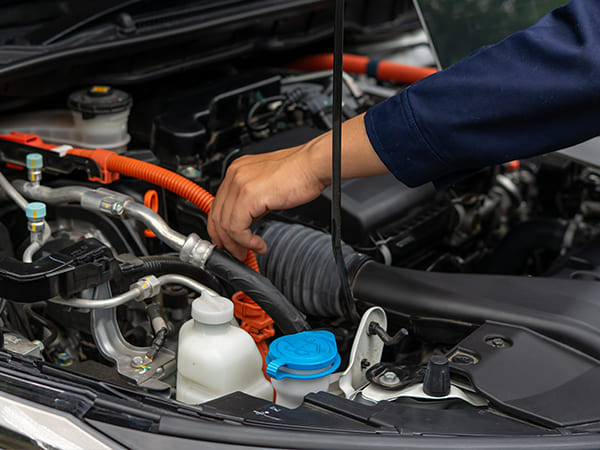
Why Engine Service Inspections Matter
Most drivers think of engine problems as something that “just happens.” In reality, engine failures usually develop slowly. Small issues—slight oil loss, minor misfires, early cooling problems—often exist long before a breakdown occurs.
An engine service inspection is designed to catch those early signs. It’s not about selling repairs. It’s about understanding how the engine is aging, how it’s being used, and whether anything is drifting outside normal operating range.
Driving patterns common in Spring Park—such as quick errands, idle time, and cold starts—can slowly affect engine performance even when everything seems to be running fine. Regular inspections help spot those patterns before they turn into expensive problems.
What an Engine Service Inspection Actually Covers
An engine inspection isn’t a single test. It’s a systematic review of how the engine is operating and what condition it’s in.
Visual and Physical Checks
A technician starts with what can be seen and felt:
- Oil condition and level
- Signs of leaks (oil, coolant, fuel)
- Belt and hose condition
- Loose, cracked, or aging components
- Visible wiring or connector issues
These checks often reveal early failure points that don’t trigger warning lights.
Fluid Evaluation
Fluids tell a story about what’s happening internally:
- Engine oil condition and contamination
- Coolant clarity and level
- Power steering or hydraulic fluid condition
- Signs of cross-contamination
Discolored or degraded fluids can point to overheating, internal wear, or seal issues.
Engine Performance Checks
This step focuses on how the engine is actually running:
- Idle quality
- Acceleration response
- Misfire detection
- Abnormal noise or vibration
Modern diagnostic tools may be used to read live data from sensors, but interpretation still matters. A code alone doesn’t explain why something is happening.
Air and Fuel System Review
Proper combustion depends on clean air and correct fuel delivery. Inspections typically include:
- Air filter condition
- Intake system integrity
- Fuel trim data
- Signs of vacuum leaks
Small air or fuel issues often cause gradual performance loss rather than sudden failure.
Common Issues Found During Inspections
Some problems show up repeatedly during routine engine inspections, especially in daily-driven vehicles.
Oil-Related Wear
Low oil levels, extended oil change intervals, or poor-quality oil can cause:
- Timing component wear
- Valve noise
- Sludge buildup
- Premature engine aging
These issues usually start quietly and worsen over time.
Cooling System Weak Points
Overheating is one of the fastest ways to damage an engine. Inspections often reveal:
- Aging hoses
- Weak radiator caps
- Minor coolant leaks
- Early thermostat failure
In colder climates, freeze-thaw cycles can accelerate these problems.
Ignition and Combustion Issues
Worn spark plugs, failing coils, or dirty injectors may cause:
- Rough idle
- Reduced fuel efficiency
- Hesitation during acceleration
These symptoms often feel minor but indicate reduced combustion efficiency.
Identifying Engine Symptoms and Root Causes
One of the most important roles of an engine inspection is separating symptoms from causes.
For example:
- Symptom: Check engine light
Possible causes: Sensor issue, vacuum leak, misfire, emissions fault - Symptom: Poor fuel economy
Possible causes: Worn plugs, dirty air filter, coolant temperature issues - Symptom: Engine noise
Possible causes: Low oil pressure, worn components, belt problems
Without inspection, drivers often assume the worst—or ignore the issue entirely.
Preventive vs. Reactive Maintenance
Preventive engine inspections are about catching wear before it becomes damaged.
Reactive repairs happen after:
- A breakdown
- Overheating
- Engine misfire becomes severe
- Warning lights have been ignored
The difference is usually cost, downtime, and stress.
In many cases, a simple early fix prevents secondary damage to:
- Catalytic converters
- Timing systems
- Internal engine components
Once those fail, repairs become far more complex.
Cost, Downtime, and Safety Considerations
An engine doesn’t fail all at once. It degrades.
When inspections are skipped:
- Fuel efficiency drops
- Emissions increase
- Reliability decreases
- Breakdowns become more likely
From a safety standpoint, engine problems can lead to:
- Sudden loss of power
- Stalling in traffic
- Overheating during long drives
From a cost perspective, small issues tend to compound. What starts as a minor leak or sensor issue can eventually lead to major engine work.
Local Driving Conditions That Matter in Spring Park
In and around Spring Park, vehicles often experience:
- Short trips that prevent full engine warm-up
- Cold starts in winter
- Stop-and-go traffic patterns
- Seasonal temperature swings
These conditions increase moisture buildup, oil contamination, and component wear. It’s common to see engines that “seem fine” but show early wear when inspected closely.
When to Schedule an Engine Inspection
An engine service inspection is particularly useful when:
- A warning light appears
- Fuel economy drops unexpectedly
- The vehicle is nearing a major mileage interval
- You’re planning a long trip
- The vehicle hasn’t been serviced in a while
- You’ve noticed new sounds or smells
It’s also a smart step before buying or selling a vehicle.
Professional Insight Matters
Modern engines rely on interconnected electronic, mechanical, and emissions systems. A small fault in one area can affect multiple systems, which is why accurate inspection requires both diagnostic tools and hands-on experience. While basic checks can be done at home, accurate diagnosis requires:
- Proper scan tools
- Experience interpreting data
- Knowledge of common failure patterns
- Understanding how systems interact
That experience helps distinguish between a harmless anomaly and an early warning sign.
Trusted Engine Inspection Services
If you want a clear, professional assessment of your engine’s condition, Certified Auto Repair can provide a thorough engine service inspection based on real-world driving conditions and manufacturer standards. The goal is clarity—so you know what’s normal, what needs attention, and what can wait.
To learn more or schedule an inspection, contact the service team at your convenience.
Frequently Asked Questions
How often should an engine service inspection be done?
Most vehicles benefit from an inspection at least once a year or every 12,000–15,000 miles, especially if they’re driven in mixed or short-trip conditions.
Will an inspection tell me if my engine is about to fail?
It can identify warning signs and risk factors, but no inspection can predict failure with absolute certainty. The goal is risk reduction, not prediction.
Is an engine inspection the same as a diagnostic?
Not exactly. An inspection is broader and preventive. Diagnostics usually focus on a specific problem or warning light.
Can I do an engine inspection myself?
You can check basics like oil level and visible leaks, but many issues require tools and experience to identify accurately.
What happens if I ignore early engine symptoms?
Small issues often turn into larger ones. Ignoring them can lead to breakdowns, higher repair costs, and reduced engine life.
Keeping Your Engine Reliable With Routine Checks
An engine service inspection is about understanding how your vehicle is aging and how well it’s handling real-world driving conditions. It helps identify small problems before they grow, protects long-term reliability, and supports safer driving. Staying proactive with inspections is one of the simplest ways to extend the life of your engine and avoid unexpected repairs.