Cold mornings and short drives around Spring Park can quietly take a toll on a vehicle’s performance. Many local drivers notice small changes—slower starts, mild hesitation, or rough idling—but assume it’s just part of seasonal driving. These subtle signs often go ignored until they become harder to overlook.
Knowing when engine service is required can make a big difference in preventing unexpected issues. Living in Spring Park means your car faces specific challenges. If you learn to spot these signs early, you can prevent breakdowns and keep your vehicle running smoothly regardless of the weather.
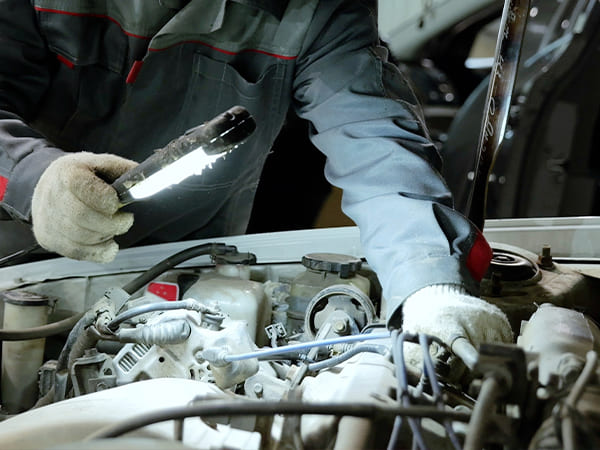
Understanding When Engine Service Is Required
Engine service refers to professional inspections and maintenance that keep your engine operating safely and efficiently. This can include checking fluids, inspecting belts and hoses, scanning diagnostic codes, addressing performance issues, and replacing worn components before they fail.
In Spring Park, engine service becomes especially important due to cold starts in winter, frequent short trips, and humidity near the lake. These conditions accelerate wear and increase the chance of buildup, overheating, or misfires. Knowing when engine service is required helps prevent breakdowns and keeps your vehicle dependable year-round.
How Local Driving Conditions Affect Engine Health
Driving in Spring Park comes with its own set of challenges. Between short trips, cars sitting for a while, and weather that can flip from warm to freezing overnight, vehicles tend to take more of a beating than most people realize.
Over time, that can lead to things like:
- Oil wearing out faster than expected
- Moisture building up inside the engine
- Rust starting to form from damp conditions
- Batteries and ignition parts struggling, especially in colder months
Catching a mechanical glitch before it strands you on the highway keeps your business running smoothly. You should grab a wrench for the small stuff before your car leaves you stranded.
When Engine Service Is Required: Key Situations to Watch For
After Warning Lights Appear
A check engine light doesn’t always mean an emergency, but it should never be ignored. It often signals sensor issues, misfires, or emissions problems that affect performance.
During Seasonal Transitions
Spring and fall are ideal times for engine checks. Temperature changes can stress belts, hoses, and fluids that were stable during the previous season.
After Long Periods of Short Trips
Short drives don’t allow the engine to fully warm up, leading to moisture buildup and carbon deposits. This is especially common in town driving around Spring Park.
When Mileage Milestones Are Reached
Manufacturers recommend specific engine services at certain mileage intervals. Skipping them can shorten engine life and reduce reliability.
Why Engine Service Matters More Than You Think
Regular engine service helps maintain smooth performance, consistent fuel efficiency, and reliable starting—especially during Minnesota winters. Ignoring early signs can lead to rough idling, reduced power, or warning lights appearing at inconvenient times.
More importantly, timely service allows technicians to spot developing issues before they affect major components. That proactive approach protects the overall health of the vehicle and reduces the chance of sudden roadside trouble.
Signs That Engine Service Is Required
- Rough idling or vibration while stopped, which can mean the engine isn’t running smoothly.
- Slower acceleration or sluggish response, often caused by fuel or airflow issues.
- Knocking or ticking noises, a sign that internal parts may be wearing or lacking proper lubrication.
- Higher-than-normal engine temperature, which can point to cooling system problems.
- A check engine light turning on, your vehicle’s way of asking for attention.
- Reduced fuel efficiency, meaning the engine is working harder than it should.
Catching these signs early can help prevent bigger issues and keep your vehicle running safely and reliably.
What a Mechanic Looks For During Engine Service
Mechanic’s insight:
“Most engine problems don’t start loud—they start small and quiet. The trick is catching them early.”
During a typical engine service, a professional may:
- Check for leaks or worn seals
- Inspect spark plugs and ignition coils
- Test sensors and engine codes
- Evaluate cooling system performance
- Assess air and fuel delivery
These checks help identify issues that drivers often can’t see or hear yet.
Real-World Example: Early Engine Trouble in Spring Park
What started as a small change in how the SUV felt on the road slowly became harder to ignore. Customers noticed hesitation during morning commutes, especially on colder days. Since the vehicle still ran and no warning lights appeared, it didn’t seem like a big deal at first.
After a few weeks, the issue became more noticeable. A diagnostic inspection revealed:
- Hesitation during acceleration, especially after cold starts
- Stalling at stop signs, making daily driving stressful
- Clogged fuel injectors affecting performance
- Worn ignition components causing uneven operation
Most headaches start small and snowball when you’re not looking. In this case, the mechanical glitch was caught early. Getting it fixed fast saved the motor from permanent failure. He realized later that his quick thinking stopped a small rattle from becoming a total engine failure. This situation proves that maintenance matters even when you think your truck is performing perfectly.
Supporting Data and Professional Insight
According to the Car Care Council, many vehicles on the road today have maintenance issues drivers aren’t even aware of. Their research shows that regular checkups can catch problems early, helping prevent breakdowns and keeping engines running longer.
The ASE (Automotive Service Excellence) certification program also emphasizes routine engine evaluations as a core part of preventative maintenance. ASE-certified technicians are trained to identify early warning signs before they escalate—especially in climates with extreme seasonal changes like Minnesota.
These findings support the importance of understanding when engine service is required, rather than waiting for a breakdown to occur.
Stay One Step Ahead of Engine Trouble
Understanding when engine service is required helps you avoid surprises and keeps your vehicle running smoothly through every season. From cold starts to summer traffic, your engine works hard—and it deserves regular attention.
Our experienced technicians provide thorough engine inspections and honest recommendations tailored to Spring Park driving conditions. If your vehicle is showing signs of trouble or you’re unsure about its current condition, a professional check can offer clarity and peace of mind.
When you’re ready, reach out to Certified Auto Repair to keep your vehicle running smoothly and confidently.
Frequently Asked Questions
How often should engine service be done?
Most vehicles benefit from engine inspections every 6–12 months or according to the manufacturer’s schedule. Driving habits and local conditions can shorten this interval.
Is engine service the same as an oil change?
No. An oil change is only one part of engine service. Engine service includes inspections, diagnostics, and performance checks beyond just fluid replacement.
Can I drive with the check engine light on?
Sometimes, but it’s risky. A steady light means something needs attention soon, while a flashing light usually indicates a serious issue requiring immediate service.
Does cold weather affect engine performance?
Yes. Cold temperatures thicken fluids, strain batteries, and increase wear during startup, making regular engine checks especially important in Minnesota.
What happens if engine service is delayed?
Delaying service can lead to reduced performance, increased emissions, and long-term engine damage that could have been prevented with early care.