Driving through Spring Park, MN after a long winter can be a bit of an adventure. One day your Toyota feels perfectly fine, and the next you’re noticing a light shake in the steering wheel or a drift toward the shoulder after hitting one of those sneaky potholes on Shoreline Drive. It’s something almost every local driver deals with at some point.
A few practical Toyota alignment and tire balance tips can help you understand what’s going on before those little changes turn into bigger issues. Knowing when your Toyota needs attention keeps your ride smoother and makes navigating our ever-changing Minnesota roads a whole lot easier.
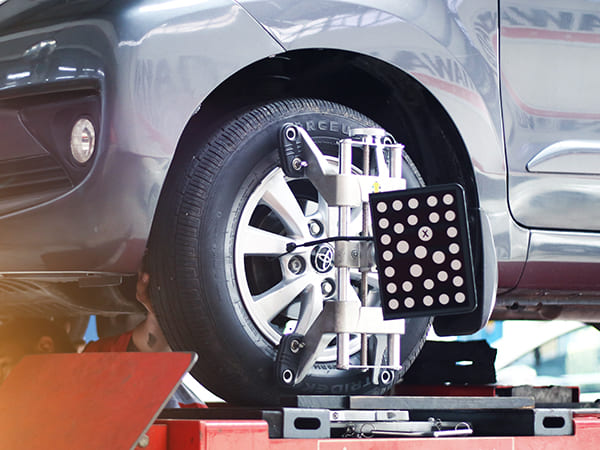
What Wheel Alignment and Tire Balance Really Mean for Your Toyota
Let’s clear up the basics first.
- Wheel alignment is adjusting your Toyota’s suspension so the wheels sit at the correct angles.
- Tire balancing ensures the weight of each wheel-and-tire assembly is spread evenly so it spins smoothly.
Both matter because:
- Misalignment causes uneven tire wear, pulling, and crooked steering wheels.
- Poor balance causes vibration, especially at highway speeds.
When you follow solid Toyota alignment and tire balance tips, your steering stays true, your tires wear more evenly, and the ride feels calm instead of shaky.
Practical Toyota Alignment and Tire Balance Tips
Even if you’re not into car tech, a few simple habits can keep your Toyota running smoothly in Spring Park and help you catch problems early. These Toyota alignment and tire balance tips are easy to follow and can make a noticeable difference.
Check Tire Pressure Monthly
Uneven or low pressure changes how your tires contact the road, which can push your alignment out faster. Cold Minnesota mornings often drop pressure overnight, so it’s worth checking more often in winter.
Rotate Tires on Schedule
Most Toyotas benefit from a rotation every 5,000–7,500 miles. Rotating helps all four tires wear evenly, making alignment readings more accurate and extending tire life.
Avoid Parking With Wheels Turned
Keeping your wheels sharply turned while parked puts extra load on steering and suspension components. It won’t break anything overnight, but over months and years it adds unnecessary wear.
Slow Down for Potholes and Bumpy Transitions
Spring Park’s freeze–thaw cycles can create sharp edges in the pavement. Hitting these at speed throws off tire balance quickly and can bend suspension parts.
Have Your Suspension Inspected Once a Year
Even a perfect alignment won’t hold if ball joints, bushings, or tie rods are worn. Annual suspension checks help alignments last longer and prevent safety issues.
Keep an Eye on Steering Feel
If you ever think, “Hmm… that feels a little off,” trust that instinct. Steering changes — even small ones — are one of the earliest clues that alignment or balancing is due.
Ask for the Alignment Printout Every Time
This is one of the most overlooked Toyota alignment and tire balance tips. The printout shows your “before” and “after” measurements and proves that the alignment is actually within Toyota’s factory tolerances.
Use Seasonal Checkpoints
Here’s an easy rhythm to follow in Spring Park:
- After winter: Check alignment because of potholes, ice ruts, and curb bumps.
- Before summer trips: Check tire balance for smoother highway driving.
- Before winter: Make sure everything stays stable on snow and ice.
Real Spring Park Scenario: A Toyota That “Just Didn’t Feel Right”
Picture a Toyota RAV4 owner who commutes daily along Shoreline Drive. Over the winter, they hit a couple of deep potholes hidden under slush.
A few weeks later:
- The steering wheel sat slightly off-center.
- At 55–60 mph, the steering wheel started to vibrate.
- Front tires began to wear faster on the outer edges.
They finally brought it in for an alignment and balance:
- The alignment readings were noticeably outside Toyota specs.
- Two wheels were significantly out of balance.
After a proper service based on proven Toyota alignment and tire balance tips, the RAV4 drove straight, the vibration disappeared, and the new tires started wearing evenly again. The driver realized they could have avoided the uneven wear by coming in sooner — especially after that big pothole hit in winter.
What Quality Alignment Service Looks Like in Spring Park
Good shops in Spring Park don’t just “eyeball it.” They use:
- Manufacturer specs from Toyota for each model and trim.
- Calibrated alignment racks checked regularly.
- Torque specs for your lug nuts, so wheels are secure and easy to remove later.
Professional mechanics often follow guidelines from groups like AAA, TIA, and ASE (National Institute for Automotive Service Excellence). When a shop talks through your alignment printout, explains their process, and makes clear recommendations, that’s a strong sign they’re applying more than just generic advice — they’re using real-world experience and industry-backed standards.
When Your Toyota Needs Alignment in Spring Park
To recap the key Toyota alignment and tire balance tips for Spring Park, MN drivers:
- Get your alignment checked at least once a year, or sooner after a hard hit or curb strike.
- Balance your tires every 10,000–12,000 miles, or any time you feel vibration.
- Watch for pulling, crooked steering wheels, and uneven tire wear — these are your early warning signs.
- Always ask for a printed alignment report and keep it with your maintenance records.
After a rough winter, a pothole-heavy commute, or even a slight change in how your Toyota drives, it’s a great time to schedule an inspection. In Spring Park, MN, Certified Auto Repair can perform a full alignment check, balance your tires, inspect suspension parts, and walk you through the results. Reach out today to book your visit and get your Toyota driving the way it should.
FAQs
How do I know if my Toyota needs an alignment or just tire balancing?
If your steering wheel is crooked or the car pulls to one side, that points more to alignment. If you mainly feel vibration at certain speeds, that usually suggests a balance issue, though a shop can confirm both in one visit.
Is it okay to drive long distances with a slight vibration in my Toyota?
It might feel manageable at first, but vibration can get worse and lead to uneven tire wear or stress on suspension parts. It’s better to have a shop check balance and alignment before a big road trip.
Should I get alignment and tire balancing every time I rotate my tires?
You don’t need a full alignment every rotation, but it’s smart to at least ask for a quick alignment check. Balancing is often done when new tires are installed and then checked again if any new vibration appears.
Do different Toyota models in Spring Park (SUV vs sedan) need different alignment schedules?
The basic timing is similar, but heavier SUVs and trucks that tow or carry more weight may need checks more often. If you drive a larger Toyota like a Highlander or Tundra on rough roads, consider yearly alignment as a minimum.
Can I rely on phone apps or DIY gadgets instead of a professional alignment machine?
Most DIY tools can spot very obvious problems but can’t match the precision of a professional alignment rack. For accurate Toyota alignment and tire balance tips and results, especially with modern suspension and safety systems, a certified shop is the safer choice.