You finally got your alternator fixed, thinking that annoying battery light was gone for good. But as you pull out of the shop and head through Spring Park, MN, the lights start flickering, the radio resets, and the idle feels rough. You can’t help but think, “Didn’t I just fix this?”
Don’t panic—this is actually pretty common. What’s happening isn’t another breakdown; it’s your car’s computer trying to adjust to the new alternator. Understanding how to reset your car after alternator repair can help you avoid extra trips to the shop and keep your ride running like new.
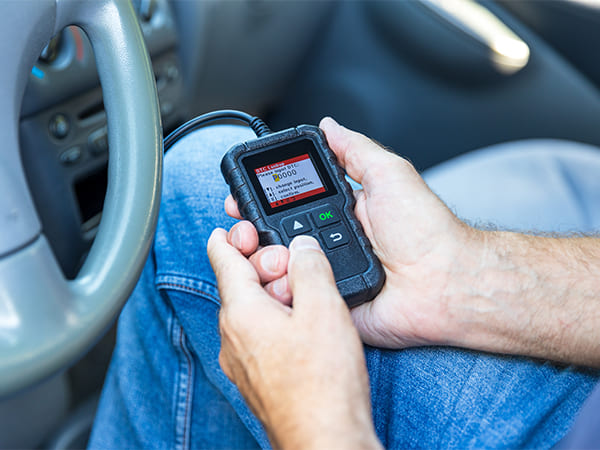
What Is a Car Reset After Alternator Repair?
When a new alternator is installed, your car’s electrical system temporarily loses its memory. The onboard computer—known as the ECU—controls things like idle speed, fuel mix, and sensor readings. It depends on a steady voltage from the alternator to stay accurate.
When that power source changes, the ECU has to “relearn” how to read those signals. That’s what a reset does—it helps the computer sync up again with your new alternator and battery. If you skip this step, you might see weird symptoms like unstable idling, false dashboard warnings, or slow starts, especially on chilly Minnesota mornings.
“It’s kind of like restarting your phone after a big software update,” says an ASE-certified tech. “Your car just needs a minute to figure out the new setup.”
How Spring Park Weather Impacts Your Car Reset
Spring Park’s weather can be unpredictable—sunny one day, icy the next. Those swings can really test your car’s electrical system, especially after an alternator repair.
Here’s what can affect your reset:
- Cold mornings: Rapid temperature drops make it harder for batteries to hold a charge.
- Lake humidity: Moist air can corrode connections and mess with voltage readings.
- Stop-and-go traffic: Frequent idling on Shoreline Drive forces your alternator to work harder than usual.
A quick reset helps your car adapt to these conditions, keeping your battery strong and electronics stable—no matter what the weather throws at you.
Step-by-Step: How to Reset Your Car After Alternator Repair
Doing a reset is easier than it sounds. Here’s how most techs recommend doing it safely at home:
Step 1: Reconnect the Battery Carefully
Disconnect the battery for about 10 minutes to clear any stored power, then reconnect the terminals tightly. Make sure they’re clean—corrosion or a loose connection can cause voltage problems.
“Always clean your battery posts with a wire brush,” recommends a local technician. “Even a thin layer of corrosion can throw off voltage readings and lead to charging issues.”
Step 2: Let the Car Idle
Once reconnected, start your vehicle and let it idle for 5–10 minutes with everything off — no radio, lights, or A/C. This gives the ECU time to stabilize and learn the new voltage output. Slight changes in idle speed are normal during this process.
Step 3: Take a Short Drive
Head out for a short drive around Spring Park. Mix in a few stops and some steady cruising. This lets your ECU relearn throttle response, voltage regulation, and air/fuel ratios under real driving conditions.
Step 4: Scan for Fault Codes
Even if everything seems fine, use an OBD-II scanner to check for any leftover codes. Clearing them gives your computer a clean slate. Local shops can also run this scan for you and confirm that the alternator is outputting between 13.8 and 14.4 volts—the ideal range.
Step 5: Double-Check the Output
Use a voltmeter or ask your shop to test the alternator output again. Anything lower than 13.5 or higher than 14.7 volts means it’s worth checking the wiring or connections.
Why Resetting After Alternator Repair Matters
Resetting your car isn’t just a “nice to do” step—it can save you from bigger problems later.
Here’s what a proper reset helps with:
- Consistent charging: Keeps your alternator and battery working together smoothly.
- Fewer warning lights: Prevents false “check engine” or “battery” signals.
- Smoother idle: Helps your ECU relearn stable idle and throttle settings.
- Longer battery life: Prevents overcharging or draining.
“A new alternator doesn’t automatically fix everything,” one ASE tech explains. “If you don’t reset the system, your car’s computer still thinks it’s dealing with the old one.”
Extra Tips for Spring Park Drivers
- Keep an eye on your voltage: After a few days, glance at your dashboard. If the battery light flickers or the gauge drops suddenly, it might be a loose wire or a weak connection.
- Listen closely: A quick squeal when you start the car can mean the belt isn’t tight enough—something that often gets mistaken for alternator trouble.
- Plan for the seasons: Cold, damp Minnesota weather can wear down electrical parts faster than you think. A quick seasonal check keeps things running smoothly.
Friendly reminder: “After installing a new alternator, some cars need a system reset or voltage relearn,” explains a local technician in Spring Park. “Think of it like restarting your phone after an update—it helps everything run the way it should.”
Case Study: A Spring Park Driver’s Alternator Reset Success
A Spring Park customer came in with a 2014 Subaru Outback after replacing the alternator at home. The car ran—but not quite right.
What was happening:
- The battery light stayed on.
- The idle was rough.
- Voltage readings kept bouncing.
What we did:
- Disconnected the battery for a full reset.
- Let it idle, then took it for a short drive on Shoreline Drive.
- Checked voltage again—steady at 14.1 volts, no warning lights.
After that quick reset, the car ran perfectly. Sometimes, it’s not a bad part—it’s just your car’s computer needing a moment to catch up.
What the Experts Say About Alternator Resets
According to AAA, flickering lights or a glowing battery icon usually mean there’s an issue with the charging system—like a weak alternator, bad wiring, or a poor connection.
While AAA doesn’t specifically mention “resets,” many ASE-certified technicians recommend them after alternator replacement, especially for modern vehicles. It helps the ECU recognize the new voltage pattern and keeps the system running smoothly.
It’s a small step that can prevent a lot of frustration—especially during Minnesota’s cold, battery-draining winters.
Having Trouble After Alternator Repair?
If your lights still flicker or your car feels off after an alternator repair, it might just need a proper reset. The ASE-certified technicians at Certified Auto Repair in Spring Park, MN, specialize in alternator diagnostics, ECU resets, and complete electrical services using factory-approved tools.
Don’t let a small issue turn into a big one. Schedule a quick inspection today, and check out our related posts for more local tips on keeping your vehicle running strong through every Minnesota season.
Frequently Asked Questions
How do I know if my car needs a reset after alternator repair?
If you still see a battery light, or if your headlights flicker and the idle feels rough after a repair, a reset can help.
Can I drive without resetting my car after an alternator replacement?
You can—but the system may not perform correctly. A reset ensures your car’s sensors and computer communicate properly.
Will resetting erase my radio or seat memory?
Yes, it can. You’ll need to reprogram your clock, radio, and seat settings afterward.
How long does it take to reset the system?
Usually around 20–30 minutes, including idle time and a short drive cycle.
Can cold weather affect the reset?
Absolutely. Freezing temperatures slow down battery recovery. Warming the car or doing the reset indoors helps.