If you’ve ever caught a faint burning or electrical odor while driving around Spring Park, MN, you’re not alone. Many drivers first notice it as a sharp, slightly sweet “hot plastic” smell that seems to come from the engine area after a short trip. Most assume it’s nothing—but in many cases, that electrical smell from alternator issues is your car’s way of warning you before something serious happens.
As any seasoned mechanic will tell you, when your alternator starts cooking itself, it’s time to take action before it takes your whole charging system down with it.
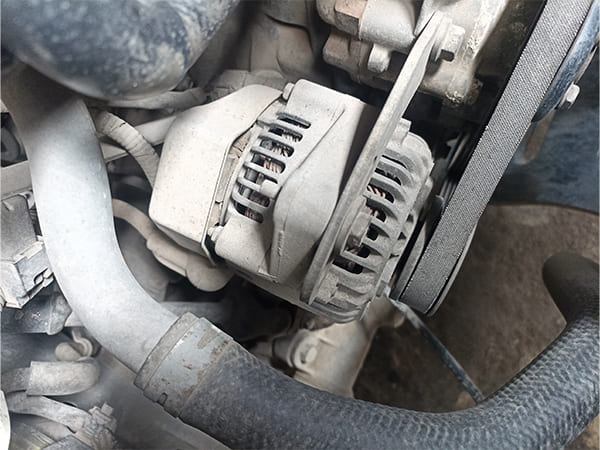
What the Electrical Smell from Alternator Issues Really Means
The alternator is your vehicle’s mini power plant. Its job is to convert engine energy into electricity to power your lights, radio, battery charging, and all the other electrical systems you rely on.
When it’s working right, you don’t notice it. When it’s not, it often smells. That electrical smell from alternator issues usually means one of three things is happening:
- Heat buildup inside the alternator. Overloaded windings or failing internal components are overheating.
- Melting insulation or wiring. The plastic coating on electrical wires or the serpentine belt might be burning.
- Slipping drive belt. Friction on a slipping belt can smell like burnt rubber.
In short, that smell isn’t “just something burning off.” It’s an early sign your alternator or related components are overheating — and that can spiral fast.
“Whenever a customer mentions a burning-wires smell, I check the alternator’s voltage right away,” explains a local ASE-certified mechanic in Spring Park. “It’s the kind of issue that only gets worse the longer you drive.”
Why Alternators Struggle in Spring Park, MN
Spring Park’s weather and driving habits are rough on alternators. Between lake humidity, winter salt, and quick local trips, it’s easy for things to overheat or corrode.
Here’s a quick look at what’s going on in your car’s electrical system (and why it matters):
| Local Factor | What It Does | Mechanic’s Tip |
| Cold starts & short drives | Don’t give your alternator time to recharge fully | “Take a longer drive now and then to help your battery.” |
| Moist air from Lake Minnetonka | Causes corrosion in wiring and connectors | “A little moisture can create big resistance problems.” |
| Road salt in winter | Eats away at metal parts and belts | “Rinse the engine area when winter ends.” |
| Stop-and-go traffic | Constantly changes the alternator load | “Avoid heavy idling—alternators like steady RPMs.” |
So, if you notice that electrical smell from alternator issues, it’s not just bad luck—it’s part of driving life in Spring Park.
Causes & Fixes for Electrical Smell from Alternator Issues
Below are the most common reasons for that burning electrical odor — and how a technician typically fixes them.
Overheating Alternator Coils
- Cause: Dust, corrosion, or worn bearings can cause the alternator’s coils to overheat.
- Fix: A professional will test the output voltage and inspect the alternator housing. If the coils or diodes are burned, replacement is the safest move.
Melting Insulation or Wiring
- Cause: Damaged wiring or frayed insulation near the alternator can short and melt.
- Fix: Replace affected wires and clean corroded connectors. Applying dielectric grease helps prevent moisture-based corrosion in Minnesota winters.
Slipping or Misaligned Belt
- Cause: A worn or loose serpentine belt slips on the pulley, creating friction.
- Fix: The belt and tensioner are inspected for cracks, glazing, or misalignment. Mechanics often replace both to prevent recurrence.
“Many drivers assume a burning smell means their alternator’s dead,” explains a veteran technician. “But often, it’s just a worn belt heating up — the trick is catching it early before it damages anything else.”
Oil or Coolant Leaks
- Cause: Engine leaks dripping onto the alternator can burn when the alternator heats up.
- Fix: Locate and fix the leak (valve cover gasket or hose) and clean the alternator housing.
Excess Electrical Load
- Cause: Aftermarket accessories — like extra lighting or sound systems — can overload the alternator.
- Fix: Check alternator output capacity and battery compatibility. In some cases, upgrading to a higher-amperage alternator is the solution.
What Happens If You Ignore the Alternator’s Smells?
Here’s why that electrical smell deserves immediate attention:
- Fire Risk: Overheated wiring or alternator windings can ignite nearby components.
- Electrical Failure: A damaged alternator can fry sensitive electronics.
- Battery Drain: Without a proper charge, your battery can die suddenly, leaving you stranded.
- Safety Risk: Dim headlights, weak power steering (on electric systems), or dead batteries are common when alternators fail.
According to the National Highway Traffic Safety Administration (NHTSA), electrical system issues are among the top causes of roadside breakdowns every year.
Real-Life Example: Spring Park Driver Catches an Alternator Issue
One Spring Park driver mentioned a light burning smell after a few short drives — no warning lights, no strange noises, just that faint electrical scent.
When we checked it out, here’s what we found:
- The alternator was running too hot.
- Some of the wiring insulation had started to melt.
- The belt was slipping just enough to add friction.
A quick alternator and belt replacement fixed everything. The driver left relieved — no smell, no warning lights, and no surprise breakdown later that week.
Reliable Industry Data on Alternator and Electrical Failures
Industry data shows how serious the electrical smell from alternator issues can be.
- ASE recommends checking your charging system at every service visit.
- DOT lists alternator and battery failures among the top causes of roadside breakdowns.
- NHTSA warns that electrical malfunctions are a common factor in vehicle fire reports each year.
“If you smell burning, don’t wait. Alternator heat can turn into failure fast,” says a local ASE-certified tech.
Key Takeaways to Remember
Here’s what to keep in mind if you’re noticing that electrical smell from alternator issues:
- That burning or electrical odor means your alternator or wiring might be overheating.
- Short drives and cold Spring Park mornings make alternators work harder than you think.
- Don’t wait for a warning light — smells are often the first sign of trouble.
- A quick inspection can prevent battery failure or costly electrical damage.
- Keep your battery, belt, and wiring checked regularly to avoid repeat issues.
“Small smells turn into big problems fast — better to check it early,” says a local ASE-certified mechanic.
Ready to Fix That Alternator Smell?
If you notice an electrical smell from alternator issues, it’s a sign that your alternator or wiring could be overheating. Getting it checked early prevents battery drain and costly electrical damage.
Schedule a charging system inspection with the ASE-certified team at Certified Auto Repair in Spring Park, MN. We handle alternator diagnostics, belt replacements, and complete electrical repairs using the latest tools.
For more car care advice, explore our posts on battery maintenance, wiring safety, and seasonal vehicle checks.
Frequently Asked Questions
Can a bad alternator smell before it fails?
Yes. The burning smell is often the first symptom before voltage drops or lights dim. It’s a sign of overheating components.
What if I only smell it after short drives?
That’s common. Short trips cause alternators to heat quickly without enough airflow. Schedule a charging system test.
Can the smell go away on its own?
No. Once something’s melting or overheating, it won’t fix itself. The smell may fade temporarily, but it will return worse.
Could the battery cause that burning odor?
A weak or overcharged battery can make the alternator work too hard, creating heat and the same burnt smell. Always test both together.
Is it safe to drive to a shop if I smell burning?
If the smell is light and no warning lights are on, drive carefully to a nearby repair shop. If it’s strong, call for a tow to avoid fire risk.