We’ve all been there. You’re running late for work in Spring Park, you jump into your car, turn the key—and nothing. Maybe it groans a bit, or your headlights look like they’ve given up, too. You start wondering, “Didn’t I just replace that battery?”
Here’s the thing: in many cases, it’s not your battery that’s failing. It’s your alternator—the part of your car responsible for keeping your battery charged and your electronics alive. And around Spring Park, MN, where cold mornings and short drives are part of daily life, alternator issues are more common than you might think.
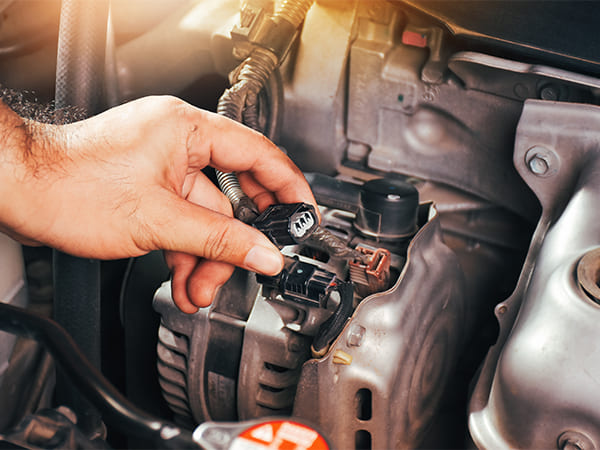
What Exactly Does an Alternator Do?
Your alternator is basically your car’s power plant. While the engine runs, it spins a belt that turns the alternator, generating electricity. That electricity charges the battery and keeps everything from your headlights to your heated seats working properly.
If it fails, your battery has to do all the work—and it won’t last long. According to the Universal Technical Institute (UTI), a healthy alternator typically puts out between 13.8 and 14.4 volts. Anything less means your charging system isn’t keeping up.
Why Your Alternator Works Harder in Spring Park, MN
Cold Starts and Short Drives
Minnesota winters can be tough on vehicles. When temperatures drop below freezing, your car uses extra power for the heater, defroster, and seat warmers. Short drives around Spring Park—like runs from Kings Road to Shoreline Drive—don’t give the alternator enough time to fully recharge the battery.
Moisture and Corrosion
Living near Lake Minnetonka means extra humidity, which can lead to corrosion on electrical components. Even a little rust or buildup can reduce alternator efficiency over time.
Salt and Road Wear
Road salt in the winter can corrode connectors and wiring, which affects the alternator’s ability to send power efficiently.
Common Signs of Alternator Failure
The Battery Light Comes On
That little red battery light on your dashboard doesn’t always mean your battery is dying. It often shows that the alternator isn’t sending enough power to keep everything charged. If you see it stay on while driving, it’s worth getting your charging system tested soon.
Flickering or Dim Headlights
If your headlights fade when you stop at a light but brighten up as you drive, that’s a classic sign of an alternator struggling to keep up. The voltage may drop at idle and recover when the engine revs. It’s a small clue that can save you a big headache later.
Weird Electrical Behavior
Slow-moving windows, flickering dash lights, or a radio that resets by itself can all point to an alternator issue. When the voltage drops, your car’s electronics start acting up. These signs usually show up before the alternator completely fails.
Strange Noises
A whining or grinding sound that rises with engine speed could mean worn bearings inside the alternator. Sometimes it starts quietly and gets louder over time. Catching it early can prevent further damage to the belt and pulleys.
A Dead Battery (Even a New One)
If you’ve replaced your battery and it still dies after a day or two, the alternator might not be recharging it properly. The car runs off the battery until it’s empty, then simply won’t start again. A quick voltage test can tell you for sure which part is the problem.
Pro Tip: Many drivers replace two or three batteries before realizing the real problem is the alternator. A local ASE-certified technician recommends checking your charging voltage first before buying another battery.
How to Safely Remove an Alternator
Step 1: Diagnostic Testing
Before replacing anything, a mechanic starts by checking the charging system with a multimeter. If the voltage is too low, they’ll take a closer look at the belt, fuses, and wiring. This quick test helps confirm whether the alternator is actually to blame.
Step 2: Disconnecting the Battery
Next comes the safety step — disconnecting the negative battery terminal. It prevents sparks or shorts while the alternator is being worked on. It’s simple, but one of the most important parts of the job.
Step 3: Removing the Belt and Bolts
The serpentine belt is loosened using a tensioner tool, and the bolts holding the alternator are carefully removed. Mechanics usually inspect the belt at this point too, since worn or cracked belts can affect the alternator’s performance. It’s all about making sure nothing’s missed.
Step 4: Replacing the Alternator
Once the old alternator’s out, the new one is installed and reconnected. The belt goes back on, the tension is checked, and every connection is tightened up. A good technician will double-check alignment so the new alternator runs smoothly.
Step 5: Post-Repair Testing
Finally, the charging system gets tested again to make sure everything’s working as it should. The mechanic watches the voltage reading to confirm it’s back in the normal range. If the lights are steady and the battery’s charging, the job’s done right.
“Most alternator repairs take about two hours,” explains a local ASE-certified technician. “What usually takes longer is finding out if wiring or corrosion caused the failure.”
Alternator Repair Costs Explained in Spring Park, MN
The average alternator repair cost in Spring Park ranges from $300 to $800. For some luxury vehicles or hybrids, the price can exceed $1,000.
Here’s a breakdown:
- Parts: $200–$600
- Labor: $100–$250 (depending on vehicle design)
If the alternator belt or battery cables are worn or damaged, that can raise the repair cost a little. It’s always best to have a mechanic check those parts while you’re already in for service.
Benefits of Getting Your Alternator Fixed Promptly
If you’ve been putting off alternator repair, here’s what you’re really risking. A few quick checks now can save you from getting stranded later. Here’s how taking care of it early pays off:
| Benefit | Why It Matters |
| No more jump-starts | Your car starts every time — even on cold Spring Park mornings. |
| Longer battery life | The alternator keeps your battery charged the right way, so you’re not replacing it twice a year. |
| Steady electrical power | Headlights stay bright, and your radio, heater, and sensors run without flickering or cutting out. |
| Fewer breakdowns | A healthy alternator means you’re not stuck waiting for a tow on Shoreline Drive. |
| Peace of mind | When your charging system is solid, you can drive anywhere in Spring Park without second-guessing your car. |
Simple Habits to Keep Your Alternator Healthy
Drive a Little Longer When You Can
Quick trips don’t give your alternator enough time to fully charge the battery. Try taking a 20–30 minute drive once a week to keep it healthy.
Keep an Eye on the Belt
Check your alternator belt during oil changes for cracks or shiny spots. A worn belt can slip and stop your alternator from working properly.
Don’t Ignore Dashboard Warnings
If the battery light flickers or stays on, it’s worth checking the charging system. Those lights often show up before bigger problems start.
Clean Up Corrosion Early
Battery terminals and alternator connections can build up grime over time. A quick clean with a brush or baking soda solution helps power flow smoothly.
Get Your Charging System Tested Yearly
Local shops in Spring Park suggest checking it every 12 months, especially before winter. A simple test can catch a weak alternator long before it leaves you stranded.
“The best time to check your alternator is before you need it,” says a local ASE Master Technician in Spring Park.
Professional vs. DIY Alternator Repair
If you have tools and mechanical experience, replacing an alternator isn’t impossible. But newer cars are more complex, with tightly packed engine bays and computer-controlled systems.
DIY Alternator Repair
- Saves money if you already have the right tools and some experience.
- Take skill and caution, since wiring mistakes can cause new problems.
- Always disconnect the battery before starting to avoid sparks or shocks.
Professional Alternator Repair
- Offers accurate testing with proper diagnostic tools.
- Ensures factory-level quality for alignment, belts, and voltage.
- Includes warranty and peace of mind — no stress or guesswork.
DIY can be rewarding if you know your way around a wrench, but for most drivers, getting a professional repair is just simpler, safer, and saves time in the long run.
Real-Life Example: When a Simple Alternator Fix Saved the Day
We had a customer, Marissa, from Spring Park, who kept getting stranded last winter. She thought her battery was bad — replaced it twice, in fact — but the car still wouldn’t start.
- The real issue: Her alternator was only putting out about 11 volts.
- The quick fix: We swapped it out, checked the belt, and tested the charging system.
- The result: Her SUV started perfectly — no dim lights, no drama.
Takeaway: If your car keeps dying after a new battery, don’t blame the battery yet. A quick alternator check might be all it takes to save you a tow bill and a headache in the cold.
Real Facts Backing Up Alternator Repair You Can Trust
You don’t have to just take a mechanic’s word for it — reliable sources back up why alternator repair and regular charging system checks matter.
- U.S. Department of Energy: They explain that keeping your vehicle’s electrical system in good shape — including the alternator — helps your engine run more efficiently and reduces strain on fuel economy.
- NHTSA (National Highway Traffic Safety Administration): The agency notes that electrical system inspections are an essential part of safe vehicle operation and should be included in regular maintenance.
- ASE (Automotive Service Excellence): ASE-certified technicians recommend checking your alternator and charging system at least once a year, or before winter, to catch early wear and avoid roadside breakdowns.
Good alternator care isn’t just a nice-to-have — it’s a must for keeping your car safe, efficient, and ready for Minnesota’s unpredictable weather.
Quick Recap: What to Remember About Alternator Repair
- Watch for early signs. Flickering lights, slow starts, or a dead battery often point to alternator trouble.
- Get it checked early. A simple test can confirm the problem and prevent roadside breakdowns.
- Weather matters. Cold winters and short drives in Spring Park, MN, put extra strain on your alternator.
- DIY is possible, but professional repair gives you accuracy, safety, and warranty protection.
- Stay consistent with maintenance. Annual charging system checks can extend the life of both your alternator and your battery.
Remember: catching alternator issues early doesn’t just save money — it keeps you safe and your car dependable through every Minnesota season.
Ready to Fix Your Alternator the Right Way?
If your car’s been slow to start, your lights flicker, or your battery keeps dying, it might be time for a professional alternator repair. Handling it early keeps your car reliable and avoids unexpected breakdowns around Spring Park, MN.
At Certified Auto Repair, our ASE-certified team provides expert alternator repair, electrical diagnostics, battery checks, and full auto maintenance using factory-grade tools and clear communication.
Schedule an inspection or request a quick quote today — and check out our related post on essential vehicle care for Spring Park drivers to keep your car running its best year-round.
Frequently Asked Questions
How can I tell if my alternator or battery is bad?
If your car starts up after a jump but shuts off a little later, that’s a strong sign your alternator isn’t recharging the battery the way it should.
Will a bad alternator drain a new battery?
Yes, a weak alternator can quickly drain even a brand-new battery. Without proper charging, your battery loses power in just a day or two.
Can I drive with a failing alternator?
You can, but only for a short distance. Once the battery’s charge runs out, your engine and electronics will shut down completely.
Do alternators need maintenance?
Not directly, but regular inspections help a lot. Keeping belts tight, terminals clean, and checking the system once a year prevents most failures.
What’s the lifespan of a new alternator?
Most alternators last between seven and ten years with normal driving. However, extreme heat, cold, or frequent short trips can shorten that lifespan.