When your battery light stays on or your car struggles to start on a cold morning, chances are the alternator’s wearing out. Here’s the good news: in many vehicles, you can replace the alternator without removing the engine — and that can make a big difference in cost, time, and convenience.
Let’s walk through how it works, what to expect, and why it matters for drivers here in Spring Park, Minnesota.
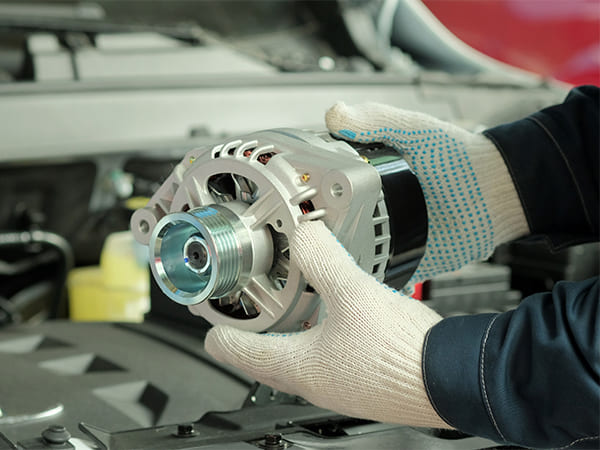
What “Replacing an Alternator Without Engine Removal” Means
Your alternator is what keeps the battery charged and powers your lights, heater, and electronics while you drive. When it fails, your car slowly loses electrical power until it stalls.
Now, when someone says “replacing the alternator without removing the engine,” they’re talking about doing the job without lifting the engine or disconnecting major mounts — something that’s possible on most modern vehicles if the mechanic knows the right approach.
Tip from a local mechanic:
“We always check if we can reach the bolts from above or below before even thinking about engine removal. Most times, there’s a smarter route.”
Whether it can be done depends on your vehicle’s engine layout and how tight the space is around it.
Why This Matters for Spring Park Drivers
If you live around Spring Park, you already know what our winters can do to cars. Cold mornings, salty roads, and short commutes all wear down the electrical system faster.
Here’s why replacing an alternator without removing the engine matters around here:
- Cold mornings: Weak alternators often fail when it’s below freezing.
- Short drives: Quick trips don’t give the alternator time to fully charge the battery.
- Salt and moisture: Corrosion builds up faster on wiring and pulleys.
- Repair costs: Avoiding engine removal means fewer hours of labor — and that keeps your bill reasonable.
Mechanic’s note: “Most Spring Park vehicles can have the alternator swapped in a few hours without touching the engine mounts. It just takes patience and experience.”
A quick charging system check before winter hits can save you from a dead battery when you least expect it.
How Mechanics Replace an Alternator Without Removing the Engine
Here’s how experienced mechanics usually handle the job when engine removal isn’t needed.
1. Diagnose the Problem
- Test the battery and charging voltage.
- Inspect belts, pulleys, and wiring connections.
- Confirm the alternator is actually the issue before replacing it.
(See NHTSA’s guide for testing procedures.)
2. Prepare the Vehicle
- Disconnect the negative battery cable.
- Raise the vehicle or remove the splash shields for access.
- Make sure the workspace is dry and well-lit — especially in cold weather.
3. Create Room to Work
- Remove the serpentine belt and any brackets in the way.
- Loosen or move small components like fan shrouds or coolant hoses.
- Check if the alternator bolts can be reached safely.
4. Remove and Replace the Alternator
- Disconnect the electrical connectors.
- Unbolt the alternator and slide it out.
- Position the new one, reconnect wires, and torque the bolts to spec.
Mechanic’s note: “Sometimes, we tilt the radiator fan or shift the A/C compressor just a bit — no engine removal needed.”
5. Test the System
- Start the car and check the charging voltage (should read 13.8–14.4V).
- Turn on the lights, defroster, and heater to confirm stable output.
- Clear any codes and take a quick drive — Shoreline Drive is a local favorite for test runs.
When Engine Removal Might Be Necessary
Not every car allows for an easy alternator swap. You might need partial or full engine removal if:
- The alternator sits behind the engine block.
- There’s a tight transverse layout with no side access.
- Rust or corrosion makes removing nearby parts unsafe.
Still, it’s always worth asking your mechanic if there’s another way. Skilled techs often find creative, safe workarounds to avoid removing the engine entirely.
Why Avoiding Engine Removal Makes Sense
Replacing your alternator without removing the engine keeps things simple, fast, and affordable.
| Benefit | What It Means for You |
| Lower Cost | Fewer labor hours and lower repair bills. |
| Faster Turnaround | Most alternator jobs finish the same day. |
| Less Risk | Fewer parts disturbed = fewer chances for leaks or misalignment. |
| Simpler Process | Focus stays on the alternator, not the engine. |
| Better Reliability | Repairs hold up longer since less is moved around. |
Mechanic’s insight: “If there’s a way to avoid pulling an engine, we’ll find it — it’s safer for the car and easier on your wallet.”
Real-Life Example: Spring Park Alternator Replacement
We had a Spring Park driver come in with some classic alternator symptoms:
- The battery light stayed on.
- Headlights dimmed with the heater or wipers running.
- Cold mornings meant slow starts every time.
After testing, we confirmed the alternator had failed. Online sources said this model needed engine removal, but we knew better.
Here’s what we did:
- Removed the radiator fan for space.
- Loosened one engine mount slightly.
- Swapped the alternator and had the car running again in a few hours.
Mechanic’s quote: “You don’t always need a big teardown — just the right angle and a little patience.”
The customer saved a few hundred dollars and drove off that afternoon with a fully charging system — ready for those chilly Spring Park mornings.
Data and Expert Insights on Alternator Replacement
Here’s what the pros say — straight from trusted sources:
- Modern alternators work efficiently even at low RPMs and handle today’s electronics better.
- Testing matters more than guessing. The NHTSA advises checking voltage drops before replacing components.
- ASE-certified mechanics always test output under load before confirming a failure.
Pro tip: “Sometimes it’s not the alternator — it’s a loose wire or weak belt. Testing first saves you money.”
With the right checks and an experienced mechanic, replacing an alternator without removing the engine is safe, effective, and reliable.
Can You Replace an Alternator Without Removing It?
Yes — in most vehicles, you absolutely can. All it takes is the right tools and a mechanic who knows their way around tight spaces. For Spring Park drivers, that means faster repairs, lower costs, and less stress.
At Certified Auto Repair, our ASE-certified team handles everything from alternator replacements and charging system diagnostics to routine maintenance — all backed by a 2-Year/24,000-Mile Guarantee.
If your battery light’s on or your car’s struggling to start, schedule an inspection today. And while you’re here, check out our posts on battery maintenance, belt care, and winter prep for Minnesota drivers.
Frequently Asked Questions
What happens if I ignore a bad alternator?
Your battery will drain until the car dies — often at the worst possible time. It’s best to get it checked early.
Will replacing the alternator fix all electrical issues?
Not always. Wiring, belts, or fuses could also be part of the problem. A full system check is safest.
How do I know my alternator’s failing?
Look for dim lights, slow starts, and a glowing battery icon. A voltage test confirms it for sure.
Can I replace it myself?
Suppose you’re experienced with tools, maybe. But most people prefer a shop with the right equipment and space.
Does cold weather exacerbate alternator failure?
Yes. Freezing temps, salt, and short trips all strain the system more — especially around Spring Park.