Most Toyota drivers around Spring Park, MN don’t think much about transmission fluid until something just doesn’t feel right. Maybe your car hesitates on Highway 7, or those early-morning shifts feel rough when it’s only 10 degrees outside. When things like that happen, it’s natural to wonder how to check Toyota transmission fluid safely and correctly.
If you’ve ever questioned whether your Toyota’s transmission fluid is low, old, or simply overdue for attention, this guide lays everything out in the same easy, straightforward way we explain it to neighbors who stop by our shop.
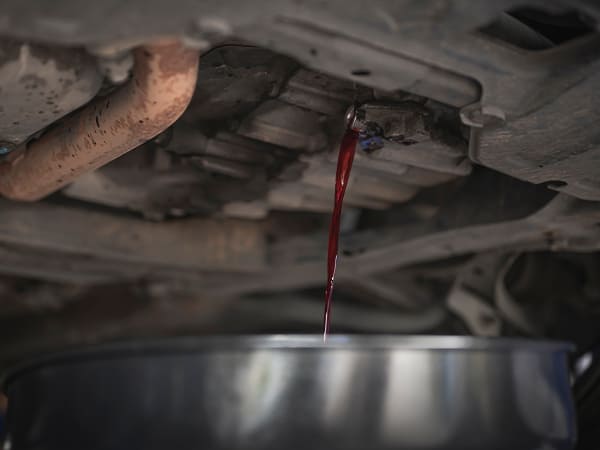
What Checking Toyota Transmission Fluid Really Means
Transmission fluid does a lot more than people realize. It maintains hydraulic pressure, reduces friction, cools the transmission, and keeps your gears shifting smoothly.
When that fluid starts to break down, or the level drops too low, you might notice things like:
- Sluggish acceleration
- Delayed or harsher shifts
- Strange noises
- An overall change in how the vehicle responds
Some Toyota models still come with a dipstick, but many newer ones use a sealed system — which means the fluid is still checkable, just not through a dipstick.
Why Transmission Fluid Checks Matter More in Spring Park, MN
Our driving environment plays a bigger role in fluid health than most people expect. Here in Spring Park:
- Cold winters can thicken transmission fluid
- Short daily trips around Shoreline Drive don’t allow the transmission to fully warm up
- Stop-and-go traffic around Lake Minnetonka adds extra strain
- Higher humidity can introduce moisture into the system
All of these factors make it especially important for local drivers to know how to check Toyota transmission fluid on a regular basis.
When to Check Toyota Transmission Fluid (Local Driver Guide)
| Driving Style | Recommended Check Interval |
| Short local drives in Spring Park | Every 6 months |
| Highway 7 commuting | Every 5,000 miles |
| Heavy winter driving | Before and after winter |
| Towing, hills, hauling | Every 3,000–4,000 miles |
Your Guide to Checking Toyota Transmission Fluid on Dipstick Models
If your Toyota still has a transmission dipstick, here’s the method we walk customers through all the time:
1. Warm up the vehicle
Let your Toyota idle for 5–10 minutes so the transmission fluid can warm up. Warm fluid expands, giving you a much more accurate reading.
2. Park on a level surface
Find a flat spot like your driveway or garage before you check the fluid. If the vehicle sits at an angle, the reading won’t be reliable.
3. Locate the transmission dipstick
Look for a red, pink, or yellow handle marked “TRANS” or “ATF.” If it’s not obvious, your owner’s manual will point you right to it.
(Mechanic tip: If it’s hard to spot, your owner’s manual will show the exact location.)
4. Pull it, wipe it, reinsert it
Pull the dipstick out and wipe it clean with a cloth, then slide it back in all the way. Pull it out again to see your true fluid level.
5. Evaluate the fluid
Healthy Toyota ATF should look pink or bright red, feel smooth, and fall within the “HOT” range once the engine is warmed up. If it’s dark, gritty, or smells burnt, the fluid’s overdue for attention.
6. Add ATF if needed
If the level is low, add only the Toyota-approved ATF type listed for your model’s transmission. Using the wrong fluid can create shifting problems that show up fast.
Mixing fluid types is one of the most common — and costly — mistakes we see.
How to Check Fluid on a Sealed Toyota Transmission
Many newer Toyota models have sealed transmissions. They don’t use dipsticks, but you can still check the fluid — the process just works a bit differently:
- Safely lift the vehicle
- Remove the check plug
- Use a scan tool to confirm the fluid temperature
- Look for a light, steady drip, which signals the level is correct
- Add fluid through the fill plug if needed
Mechanic Insight:
Sealed systems are sensitive to temperature. Even a small difference can throw off the reading, so having the right equipment really helps.
What Your Transmission Fluid Color Tells You
| Appearance | Meaning |
| Bright red / pink | Healthy |
| Light brown | Aging — plan service soon |
| Dark brown | Overdue for replacement |
| Black and burnt | Possible internal damage |
| Milky | Moisture contamination |
Why Staying Ahead of Fluid Checks Protects Your Toyota
Most transmission issues don’t happen suddenly — they build up over time. Staying on top of fluid checks helps prevent:
- Hard or delayed shifting
- Overheating
- Premature clutch wear
- Slipping
- Cold-weather driving struggles
- Bigger repairs you don’t want
According to the Automatic Transmission Rebuilders Association (ATRA), most failures come down to overheated or contaminated fluid — problems that could’ve been caught with simple routine checks.
A Real Spring Park Toyota Transmission Story
A customer from West Arm Road brought in a Camry that felt sluggish on cold mornings. No warning lights, just a noticeable shift delay.
When we checked the fluid, it turned out to be:
- Low
- Thickened due to cold
- Dark and oxidized
We completed a fluid exchange, and the car went right back to shifting smoothly. Situations like this are exactly why knowing how to check Toyota transmission fluid makes such a difference.
What the Research Says About Toyota Transmission Fluid
Research from the Society of Automotive Engineers (SAE) shows that transmission fluid oxidation nearly doubles for every 20°F increase in temperature. When winter thickens the fluid, the transmission works harder — and that increases internal temperatures even more.
This is why Toyota, ATRA, and SAE recommend more frequent transmission fluid checks in places with strong seasonal changes like Spring Park.
Strengthening Your Toyota’s Transmission for Every Season
If you’re unsure about your Toyota’s fluid condition or whether your model uses a dipstick or sealed setup, we can take a look. Certified Auto Repair in Spring Park, MN employs ASE-certified technicians only, so every transmission inspection and service is handled with expert care. Whether you just want a quick check or something feels off while driving, you’re welcome to stop by or explore our other maintenance guides.
FAQs
How do I know if my Toyota’s transmission fluid is getting old?
Light brown color or a slightly burnt smell usually means the fluid is starting to degrade and should be checked soon.
Can sealed Toyota transmissions be checked at home?
Technically yes, but since they require exact temperatures and specific tools, most drivers prefer having a professional confirm the levels.
Is Toyota WS fluid the same as universal ATF?
No, Toyota WS is designed specifically for Toyota transmissions. Universal ATF can cause shifting issues.
Should Toyota transmission fluid be checked cold or warm?
Warm is best for dipstick models. Sealed transmissions need to be checked within a precise temperature window.
What if my Toyota shifts harder in cold weather?
Cold temperatures thicken old or low fluid. A quick fluid check can usually tell you whether that’s the cause.