Most Toyota owners in Spring Park, MN only think about the timing belt when something sounds “off,” or when the car hesitates at a stoplight on Shoreline Drive. The truth is simple: a timing belt controls the engine’s internal rhythm, and when that rhythm slips, the engine can’t run correctly.
That’s why having a clear Toyota timing belt replacement guide matters. You don’t need to be a mechanic to understand it. You just need to know when to act before the belt quits without warning — because timing belts rarely send a polite heads-up.
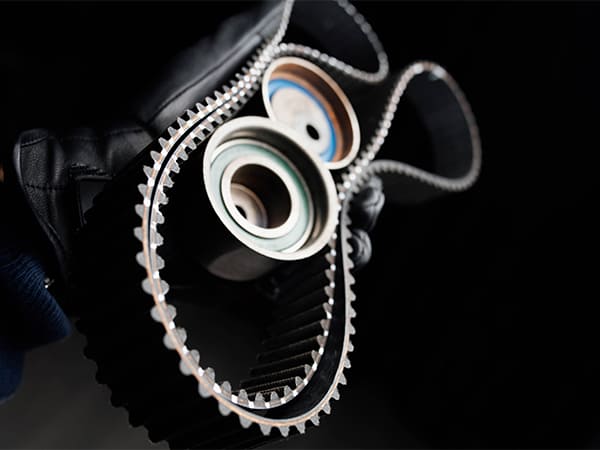
Toyota Timing Belt Basics for Everyday Drivers
A timing belt is a strong rubber belt with teeth. It keeps two major engine parts — the crankshaft and the camshaft — working in sync. If they fall out of sync, the engine stops running.
That’s the core fact.
No drama. No technical maze.
A worn timing belt can slip, stretch, or snap. When it snaps, the engine stops instantly.
According to the Car Care Council, many major engine failures come from aging timing belts, which is why Toyota includes specific mileage intervals in every owner’s manual.
Mechanic Quote:
“Think of the timing belt like the conductor. If the conductor drops the baton, the orchestra doesn’t keep playing.”
Spring Park, MN Weather Makes Timing Belt Wear Worse
Drivers in Spring Park deal with fast temperature swings — winter lows, warm summers, cold mornings, short trips, and lake humidity. Rubber parts deal with all of it, every day.
Short drives around Navarre or back-and-forth runs near the Narrows Bridge mean the engine rarely warms fully. Belts wear faster when they don’t reach a consistent temperature. The Automotive Maintenance and Repair Association notes that rubber components age faster in cold climates.
So, a Toyota timing belt replacement guide is especially important here. Your belt isn’t living a peaceful life.
When to Replace a Toyota Timing Belt (Clear Steps)
Below is the simple, mechanic-approved process drivers follow.
1. Check your Toyota model and engine
Most Toyota belts last 60,000–100,000 miles. Some engines require earlier changes. Your owner’s manual lists the exact interval.
Pro Tip: If the vehicle has zero records, assume the belt is older than it should be. Better safe than stranded outside Lord Fletcher’s.
2. Confirm service history
If you bought your Toyota from a private seller in Spring Park or Mound, verify the belt replacement. A lot of sellers “think” the belt was changed. That’s not confirmation.
3. Watch for early warning signs
Here are simple signs:
- Ticking sound at idle
- Trouble starting
- Intermittent vibration
- Oil seepage near the timing cover
None of these guarantee a failed belt. They just mean “check the belt soon.”
4. Consider your driving habits
Cold starts, towing a trailer, idling in long winter warm-ups — these add stress. Many locals warm the car while grabbing coffee. That counts as extra engine runtime.
5. Replace related components together
The timing belt is buried behind multiple covers. Most Toyota timing belt kits include:
- belt
- tensioner
- idler pulleys
- water pump
A worn pump can damage the new belt. That’s why mechanics replace them together.
Mechanic Quote:
“If we’re already in there, it’s smart to change everything working as a team with the belt.”
Why Timing Belt Replacement Matters (Real Value, No Hype)
A new timing belt keeps the engine running in precise coordination. When that coordination slips, the engine loses timing, which leads to internal damage. The Automotive Engine Rebuilders Association notes timing failures as a major cause of valve damage.
This is why Toyota publishes clear replacement intervals. The belt has a known lifespan. Once it reaches that point, it becomes unpredictable.
A replaced timing belt also prevents winter breakdowns — something every Minnesota driver tries to avoid. Nobody wants to call roadside service in February with frozen fingers and a stalled vehicle on West Arm Road.
Local Spring Park Toyota Timing Belt Failure Example
A Toyota Highlander owner came into the shop after hearing a high-pitched ticking sound during morning drives. The vehicle was 35,000 miles overdue for a timing belt. After removing the cover, we found a belt with missing teeth and fine cracks running across the surface.
It didn’t snap yet — but it was close.
We replaced the full kit the same day. The driver said it felt like a completely different vehicle. The next cold morning, the car started smoothly without hesitation.
Stories like this are common in areas with fluctuating temperatures like Spring Park.
Research and Authority Support (Clear Sources)
Several respected organizations reinforce timely belt replacement:
- ASE (National Institute for Automotive Service Excellence) notes that timing belts degrade faster when exposed to cold cycling.
- The Car Care Council recommends checking belts during every major service.
- AAA found that 35% of American drivers have skipped or delayed recommended vehicle service or repairs.
Each source points to the same fact: rubber parts wear out on a schedule. Engine timing depends on those parts.
Time for a Toyota Timing Belt Check in Spring Park?
A simple Toyota timing belt replacement guide helps you know when to act before problems become expensive. If your Toyota is close to the mileage interval or showing signs of wear, it’s smart to get a timing belt inspection.
At Certified Auto Repair, you receive timing belt service backed by our 2-year/24,000-mile guarantee. Our team handles complete timing belt kits, engine diagnostics, water pump replacement, and preventive services built for Spring Park driving conditions.
If you’re unsure whether your Toyota’s timing belt is due, reach out to us for a quick inspection. You can also explore our related posts for more practical maintenance tips and local driving guidance.
Frequently Asked Questions
What happens if a timing belt wears down unevenly?
Uneven wear changes engine timing before the belt fully fails. A mechanic can confirm this with a quick inspection.
Can cold starts in Minnesota shorten timing belt life?
Yes. Repeated cold starts stiffen the belt and increase stress on the teeth.
Is a timing belt the same as a serpentine belt?
No. A serpentine belt powers external accessories, not internal engine timing. They age differently and fail in different ways.
Will the check-engine light warn me about a failing timing belt?
Not usually. The belt has no sensor, so failure symptoms appear without warning.
Can a timing belt make noise before failing?
Sometimes. A ticking or slapping sound can appear when the belt loosens or the tensioner weakens.