If you drive around Spring Park, MN, you already know our weather likes to switch personalities without warning. One minute you’re cruising by the lake, the next minute the wind feels like it’s from Canada. These quick changes can bring out early signs of Toyota engine problems—the kind most folks notice but try to ignore.
Think of this guide as a friendly chat from a mechanic who lives down the street. No scare tactics. Just clear signs to watch for, why they show up, and what they actually mean.
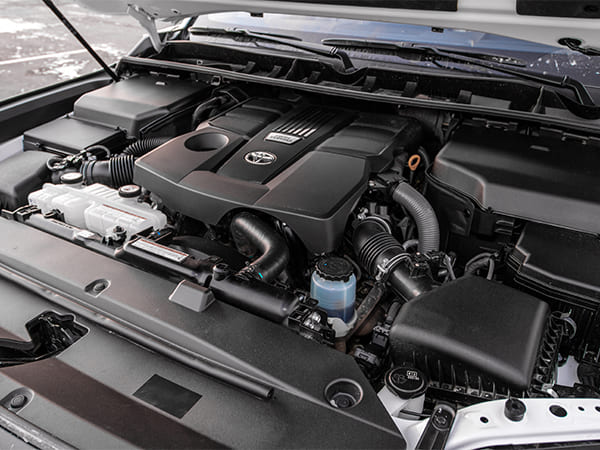
Understanding the Real Signs of Toyota Engine Problems
Signs of Toyota engine problems are small warnings the engine gives when something isn’t running right. It might be a sound, a smell, a light, or the car just feeling “off.” Most engines warn you long before something serious happens, and Toyotas are no different.
A lot of drivers assume, “Ah, it’ll go away.” Engines rarely work that way.
Quick mechanic insight:
“Your engine always speaks up before it quits. The trick is hearing the quiet complaints.”
Spring Park drivers tend to notice these signs more because our cold mornings, lake humidity, and short trips can make small issues show up faster.
Why Toyota Engines Act Up More in Spring Park, MN
Spring Park is beautiful, but it’s tough on engines. Here’s why:
- Cold mornings thicken oil.
- Quick errands don’t let the engine warm up.
- Lake humidity throws sensors off.
- Salted winter roads corrode wires.
Put those together and your Toyota starts showing symptoms sooner.
A customer once joked, “My Corolla runs better in July than I do.” Honestly? Not wrong.
High-Impact Signs Your Toyota Needs an Engine Check
Below are the most common signs we see in the shop. If you spot any of these, your Toyota is trying to tell you something.
Engine Sign #1: Rough Idling at Stoplights
If your engine shakes at a stoplight or you feel a little rumble in the steering wheel, that’s rough idling. It usually means the engine isn’t burning fuel evenly.
Typical causes:
- Spark plug wear
- Clogged injectors
- Weak ignition coil
- Airflow imbalance
Mechanic tip:
“If the car shakes but the road is smooth, check the engine.”
Engine Sign #2: Knocking, Tapping, or Clicking Sounds
Engines make noise, sure. But they shouldn’t sound like they’re playing percussion.
Light tapping can mean valve issues. A steady knock often points to internal wear or low oil pressure.
If you hear any repeating metallic sound, don’t wait it out. Engines don’t make rhythm tracks for fun.
Engine Sign #3: Slower Acceleration or Loss of Power
When your Toyota struggles to get moving or hesitates merging onto Shoreline Drive, something’s reducing power.
Could be:
- Clogged air filter
- Weak fuel pump
- Bad sensor
- Restricted exhaust
If your car suddenly feels like it’s hauling a boat—even when it isn’t—that’s an engine symptom.
Engine Sign #4: Check Engine Light Stays On (or Blinks)
A solid check engine light means the engine found a problem.
A blinking light means a misfire that can damage the catalytic converter.
Think of it like this:
Solid light = “Hey, check me soon.”
Blinking light = “Seriously, stop driving.”
Engine Sign #5: Burning, Fuel, or Sweet Smells From the Engine Bay
Smells are some of the most honest signs.
- Burning oil smell = oil leak.
- Sweet smell = coolant leak.
- Fuel smell = gas leak or rich mixture.
If something smells like it shouldn’t be cooked, trust your nose.
Engine Sign #6: White, Blue, or Black Exhaust Smoke
Exhaust color gives away a lot:
- White smoke → coolant issue
- Blue smoke → oil burning
- Black smoke → too much fuel
If another driver waves you forward to avoid your exhaust cloud, that’s a sign.
How Experienced Mechanics Diagnose Toyota Engine Problems
Here’s what most ASE-certified shops do when a Toyota comes in with engine symptoms:
- Use a scan tool to read trouble codes
- Check for leaks or damaged hoses
- Test spark plugs and coils
- Measure fuel pressure
- Inspect airflow sensors
- Run compression tests if needed
- Do a road test to recreate the problem
Mechanic note:
“Diagnostics is detective work. The car already knows what’s wrong—we translate.”
Why Early Detection Matters for Toyota Owners
- Small engine problems rarely stay small.
- A weak spark causes misfires.
- Misfires heat up the catalytic converter.
- Excess heat damages sensors.
AAA reports that most breakdowns stem from issues that were noticeable earlier. Catching symptoms early keeps your Toyota running comfortably without unpleasant surprises.
Seasonal Factors That Make Toyota Engine Issues Worse
Here’s how our environment turns into engine trouble:
- Cold Starts: Engines run richer, which creates more deposits.
- Short Trips: Moisture stays inside the engine because it never warms up enough to burn it off.
- Road Salt: Corrodes wiring and sensors faster.
- High Humidity: Causes inaccurate air sensor readings.
- Traffic Idling: Uneven combustion becomes more noticeable.
Small factors, big impact.
Maintenance Habits That Prevent Toyota Engine Trouble
Here are simple habits that make a difference:
- Oil Changes on Time: Old oil thickens and reduces protection.
- Monthly Fluid Checks: Quick check, big benefit.
- Replace Air Filters: Engines breathe too. Let them.
- Use Quality Gas: Better fuel keeps injectors cleaner.
- Listen During Cold Starts: Engines tell the truth when they’re cold.
Mechanic reminder:
“If it sounds off when you start the car, it’s worth a look.”
Real Example of Toyota Engine Problems in Spring Park MN
A Spring Park Prius driver, Mark Ellison, came in last winter after hearing a light ticking sound only on cold mornings. At first, he brushed it off as “normal winter noise.” Once we checked it, the story became clearer:
- Symptom: Light ticking during cold starts
- Driver assumption: “Probably just the cold”
- Actual issue: Sticky valve lifter caused by old, thick engine oil
- Outcome: Fast, simple repair because they caught it early
- Takeaway: Cold weather didn’t cause the issue — it just made it noticeable
When You Should Get a Professional Engine Inspection in Spring Park
Get your Toyota checked when you notice:
- New noises
- New smells
- Performance dips
- Smoke
- Dashboard lights
- Hard starts
Engines don’t fix themselves. They only get louder.
Need Help Understanding the Signs of Toyota Engine Problems?
If you’re noticing early signs of Toyota engine problems—whether it’s rough idling, new noises, warning lights, or changes in power—we always recommend having the issue checked before it grows. Catching these symptoms early keeps your Toyota running the way you expect around Spring Park.
At Certified Auto Repair, our ASE-certified team handles full engine diagnostics, internal inspections, leak checks, performance testing, and complete engine repair or rebuild work. We back all engine services with a 2-year/24,000-mile guarantee, and we’re here if you want to schedule an inspection or get a quick second opinion. For more simple car care tips, take a look at our related posts.
Frequently Asked Questions
What’s the easiest engine symptom for most Toyota drivers to notice?
Most people notice shaking at idle or a check engine light first. These symptoms show up before anything major happens.
Why does my Toyota run rough only after refueling?
Sometimes a loose gas cap or different fuel blend affects engine performance. A basic diagnostic test identifies the cause quickly.
Is it okay to ignore a small oil leak if the car still drives fine?
Small leaks grow over time, especially in cold weather. It’s best to check them early.
Can the wrong motor oil cause engine noise?
Yes. Oil that’s too thick or too thin changes how parts move and can cause tapping or ticking.
Why does my Toyota shake when warming up but smooth out later?
Cold engines highlight weak components. Once it warms up, the issue gets masked but doesn’t disappear.