Living in Spring Park, MN means your Toyota goes through a lot—freezing mornings, salty slush on the roads, and those sudden potholes that feel like they showed up overnight. It’s no surprise that even dependable Toyotas start showing small signs of wear after a few seasons of Minnesota driving.
So it’s natural to wonder what kinds of Toyota repairs are most common around here. The good news? Most issues are predictable, easy to spot, and usually simple to fix when you catch them early. Let’s take a look at what Spring Park drivers run into most often and how to stay ahead of these repairs.
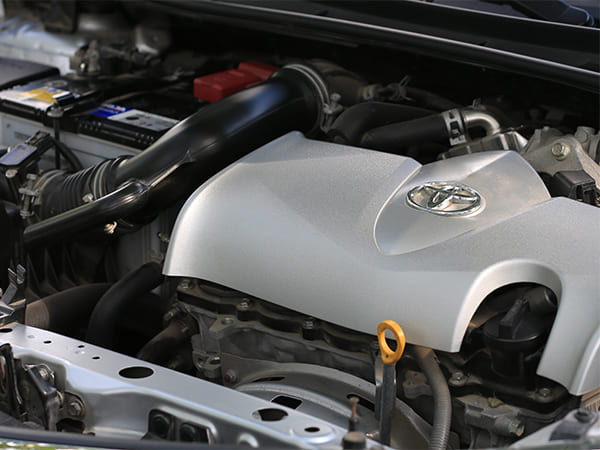
Why “Common Toyota Repairs” Don’t Mean Toyotas Aren’t Reliable
When you hear the phrase “common Toyota repair issues,” it might sound like something’s wrong with the brand. But honestly, that’s not the case at all. These issues show up simply because Toyotas are engineered in consistent ways across many models—and because Minnesota weather has a personality of its own.
Toyotas often pass 200,000 miles with the right care. Many go far beyond that. The trick is paying attention to the small hints your car gives you.
Mechanic Insight:
“Toyotas rarely fail without warning. The small signs matter most.”
And that’s what this guide is all about—helping you catch those small signs before they turn into big repairs.
How Minnesota Weather Makes Toyota Repairs More Common
It doesn’t matter if you’re driving a Prius, Camry, RAV4, Highlander, or Tacoma—Minnesota weather treats them all the same. It’s not the cold alone that causes problems. It’s the freezing… then thawing… then freezing again. Throw in potholes, moisture from nearby lakes, and plenty of road salt, and you’ve got the perfect recipe for wear and tear.
Here’s how our climate affects your Toyota:
- Cold starts put extra strain on ignition coils and spark plugs.
- Road salt speeds up rust on brake lines, mufflers, and suspension components.
- Potholes form every spring and eat suspension parts alive.
- Moisture creeps into electrical connectors and causes corrosion.
So when local mechanics see the same issues repeatedly, it’s not surprising. Minnesota essentially shapes the repair patterns.
The Most Common Toyota Repairs in Spring Park
Let’s go through the repairs Toyota owners here run into most often—and more importantly, the symptoms you’ll actually notice behind the wheel.
- Oxygen Sensor Failure
One of the top repairs we see involves oxygen sensors. These sensors help your engine balance fuel and air. When they start to wear out, your engine burns too much fuel, and your gas mileage goes downhill.
Minnesota’s dramatic temperature swings and salty winter roads make oxygen sensors work harder than they would in warmer states.
Most Toyota owners see this problem somewhere between 80,000 and 120,000 miles.
What you might notice:
- Lower fuel economy
- Occasional rough idle
- Check Engine light (eventually)
Pro Tip:
Your fuel efficiency usually drops before the warning light comes on.
- Ignition Coil Breakdowns
This is another big one for Minnesota drivers. Ignition coils deliver the voltage needed to ignite fuel inside the engine. Cold starts put extra stress on them, and over time, they weaken.
This applies to just about every Toyota model—Camry, Corolla, Highlander, RAV4, you name it.
Symptoms include:
- Rough idle when cold
- Hesitation when accelerating
- Loss of power climbing hills
- Occasional misfire sounds
If your Toyota shivers a little on cold mornings, coils are often the reason.
3. Valve Cover Gasket Leaks
Rubber gaskets don’t love Minnesota’s freeze-thaw cycle. Over time, they stiffen, crack, and let small amounts of oil seep out.
Drivers often describe:
- A faint burning oil smell
- Little oil spots near the top of the engine
- Light smoke during initial startup
These leaks start small but grow steadily.
Mechanic Insight:
“Oil leaks rarely get better with age. They always move in one direction.”
4. Suspension Wear from Potholes
If you’ve driven down Shoreline Drive, West Arm Road, or Commerce Boulevard in early spring, you already know why suspension problems are so common here.
Potholes and uneven pavement put stress on:
- Struts
- Sway bar links
- Control arm bushings
- Ball joints
When these parts wear out, the car starts to feel less stable.
Common symptoms include:
- Clunking or rattling over bumps
- Steering pulls left or right
- Uneven tire wear
- A front end that feels “floaty”
Toyotas have durable suspension systems, but even they can’t outmuscle a Minnesota pothole season forever.
5. Brake Line & Exhaust Corrosion
Corrosion is practically a given in snowy states. Brake lines and exhaust parts are particularly vulnerable because salt spray hits them constantly and moisture gets trapped around the lake areas.
Over time, that combination leads to rust in:
- Brake lines
- Muffler seams
- Exhaust flanges
- Metal brackets and hangers
If you start hearing more exhaust noise than usual or you notice your brakes feeling soft, corrosion could be part of the story.
Why Proactive Repairs Lead to Long-Term Toyota Reliability
Organizations like Consumer Reports and AAA consistently praise Toyota for durability. But they also emphasize one big point: small repairs matter.
Catching issues early prevents:
- Misfires that could destroy expensive catalytic converters
- Suspension damage that wears out tires prematurely
- Brake corrosion that reduces stopping power
- Oil leaks that damage belts, sensors, and gaskets
Mechanic Insight:
“Most major repairs start as small issues that stay ignored.”
Toyota engineering gives you warnings—your job is just to listen.
Real-Life Example: How a Minor Toyota Issue Was Caught Early
A local Prius driver came in complaining about lower fuel mileage. No warning lights. No strange noises. The car felt totally normal—just more expensive at the gas pump.
After a quick diagnostic check, the culprit was clear: the oxygen sensor was wearing down and giving inaccurate readings. Replacing it restored their normal MPG immediately.
This happens more often than you’d think. Early symptoms can be subtle, but diagnostics catch them fast.
Supporting Research on Toyota Repairs
Multiple industry sources back up what local mechanics see:
- Consumer Reports: Toyota ranks as one of the most reliable brands every year.
- NHTSA: Cold climates show higher rates of ignition and sensor-related issues.
- AAA: Northern states experience more rust and corrosion due to salt exposure.
So if your Toyota is dealing with these common issues, you’re definitely not alone.
Need Toyota Repairs or Diagnostics in Spring Park, MN?
If you’re noticing any early warning signs—or just want peace of mind—Certified Auto Repair in Spring Park is ready to help. As a AAA-approved shop with ASE-certified technicians, we specialize in diagnostics, suspension work, brake repairs, and all types of Toyota maintenance.
Reach out for an inspection or browse more of our educational resources to stay ahead of seasonal issues.
Frequently Asked Questions
How long do Toyota ignition coils last in Minnesota?
Around 100,000 miles, though frequent cold starts can shorten their lifespan.
Why do my Toyota brakes squeak after winter?
Moisture and road salt cause light surface rust that makes noise until the brakes warm up.
Should I wash my undercarriage in winter?
Definitely—you’ll slow down corrosion.
Is a Check Engine light always related to oxygen sensors?
No. Many issues can trigger the light. A scan tool is the only way to know for sure.
How often should I have suspension components inspected?
Twice a year is ideal—especially after pothole season.