You’re running errands around Spring Park, MN, when your dashboard lights start flickering, the radio cuts out, and your car suddenly loses power. It’s frustrating — especially after replacing the battery just a few months ago.
Many drivers assume a weak battery is to blame, but in most cases, it’s the alternator slowly wearing out. It’s the part that keeps your battery charged and powers everything electrical in your car. When it starts to fail, even a new battery can’t keep things running for long.
In Spring Park, MN, most alternators last about 80,000 to 150,000 miles—around 7 to 10 years. But with cold winters, short drives, and extra electrical use, they often wear out a bit sooner.
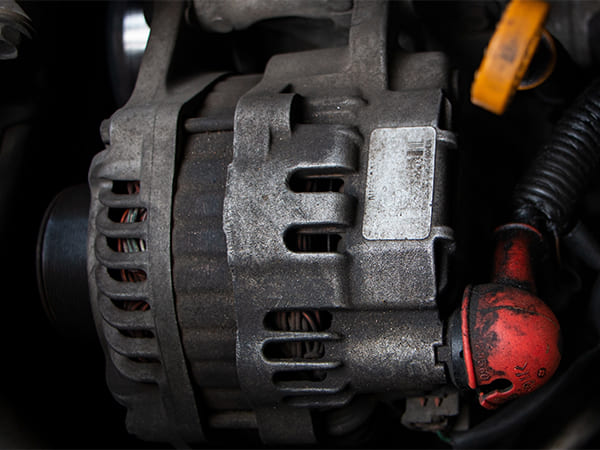
What Exactly Does an Alternator Do?
Your alternator’s main job is simple: keep your battery charged while the engine runs. It powers your headlights, dashboard, phone chargers, and every electrical system your car relies on.
When it starts to fail, your battery no longer recharges fully. Eventually, your car may stall — even if the battery is new.
Mechanic’s Tip: “Think of the alternator as your car’s heartbeat. When it weakens, every electrical part struggles,” says an ASE-certified technician from Spring Park.
How Long Do Alternators Last on Average?
Here’s a quick look at how alternator life varies depending on use and conditions:
| Driving Conditions | Expected Lifespan | Common Causes of Wear |
| Mostly highway driving | 120,000 – 150,000 miles | Natural wear over time |
| Mixed city and short trips | 90,000 – 120,000 miles | Stop-and-go strain, frequent starts and stops |
| Cold climate (like Spring Park, MN) | 70,000 – 100,000 miles | Cold starts, corrosion, and higher battery demand |
| Heavy electronics (heated seats, chargers) | 60,000 – 90,000 miles | Overload and heat buildup |
Why Alternators Wear Out Faster in Spring Park, MN
1. Cold Winters
Freezing mornings force your alternator to work overtime. Cold batteries need more current to start, and alternators compensate by generating extra power.
2. Moisture and Corrosion
Lake Minnetonka’s humidity plus winter road salt leads to corrosion on connections and internal alternator parts.
3. Short Trips
Many Spring Park residents make quick drives — from Orono to Mound, or around Shoreline Drive. These short runs don’t give the alternator time to fully recharge the battery.
4. Accessory Overload
Modern vehicles draw more power — heated steering wheels, seat warmers, and charging ports all add to the load. Over time, that shortens how long alternators last.
How Mechanics Test Your Alternator
If you bring your car into a Spring Park shop for testing, here’s what happens:
Step 1: Visual Inspection
Technicians check the drive belt for cracks, slipping, or contamination — one of the most common alternator issues.
Step 2: Battery Voltage Test
They measure battery voltage before and after starting the engine. Healthy alternators produce 13.5 to 14.5 volts consistently.
Step 3: Load Test
A diagnostic machine simulates heavy electrical demand to see if the alternator keeps up.
Step 4: Connection Check
Cables and terminals are inspected for corrosion — a small green buildup can cause big problems.
This process usually takes 15 to 30 minutes and helps determine if the alternator, belt, or voltage regulator is the real culprit.
How to Make Your Alternator Last Longer
Here are practical steps to extend alternator life — especially useful in Minnesota weather:
Drive Longer Distances
Give your alternator at least 20 minutes of continuous driving to fully recharge the battery.
Reduce Power Load
Unplug chargers and devices when the engine is off.
Schedule Annual Charging Tests
Ask for a charging system inspection every year or before winter.
Keep It Clean
Wash away road salt and grime from the engine bay during spring maintenance.
Replace Belts Promptly
If the belt squeals, slips, or cracks — replace it immediately to protect your alternator bearings.
How Weather Affects Alternator Health in Minnesota
Minnesota’s climate can drastically influence alternator performance. Let’s break down how local weather patterns impact your system:
| Season | Challenge | Effect on Alternator |
| Winter (Dec–Feb) | Extreme cold, road salt | Hard starts and corrosion risk |
| Spring (Mar–May) | Moisture and thaw cycles | Condensation and belt slipping |
| Summer (Jun–Aug) | Heat and high humidity | Electrical component overheating |
| Fall (Sep–Nov) | Temperature swings | Voltage regulator strain |
Mechanic’s Insight: “We see alternator issues spike in early winter and late spring. Salt and humidity eat through wiring faster than people think.”
To protect against these conditions:
- Rinse the undercarriage after the snow melts.
- Have your electrical system checked during spring maintenance.
- Use protective dielectric grease on battery terminals.
Real-Life Example: A Spring Park Alternator Wake-Up Call
Last winter, a driver from Spring Park came in after their headlights started flickering every time they stopped at a light. “I thought it was just my battery acting up,” they told us — a common assumption.
After a quick test, we found the alternator was barely charging. It hadn’t failed yet, but it was close. We replaced it the same day, and they left relieved — no more dim lights or surprise stalls in the cold.
“Catching alternator issues early is like spotting a small leak before a flood,” the tech told them. “It’s always cheaper to fix early.”
Verified Data: How Long Do Alternators Really Last in Spring Park, MN
- According to AutoZone, most alternators last 80,000–150,000 miles, or about 7–10 years.
- The Car Care Council notes that cold weather increases electrical load by up to 50%, forcing alternators to work harder to maintain charge — a major factor in northern states like Minnesota.
Is Your Alternator Due for Service?
Most alternators last around 7–10 years or 80,000 to 150,000 miles, but Spring Park’s cold winters, short commutes, and heavy electrical use can shorten that lifespan. Routine charging system checks and belt inspections help prevent breakdowns and keep your vehicle dependable all year.
At Certified Auto Repair, our ASE-certified technicians handle everything from alternator replacements and electrical diagnostics to battery service, oil changes, and full preventive maintenance. If you’ve noticed flickering headlights or slow starts, schedule an inspection today.
For more helpful local tips, explore our posts on battery care, seasonal maintenance, and how to prepare your car for Minnesota’s changing weather — practical guides to keep your vehicle running smoothly in every season.
Frequently Asked Questions
How often should I have my alternator tested?
Once a year, ideally before winter. Cold weather increases load and failure risk. A quick test can prevent breakdowns.
Is it okay to replace the alternator myself?
Only if you have proper tools and experience. Alternators connect to complex electrical systems — incorrect installation can cause short circuits.
Can a weak battery damage my alternator?
Yes. A bad battery forces the alternator to work harder and run hotter. Replace weak batteries promptly.
Do alternators wear out faster in hybrid or electric cars?
Hybrids rely less on traditional alternators, but the components that replace them (DC-DC converters) can still wear out under heavy load.
What’s the average alternator replacement cost in Spring Park, MN?
Expect $450–$900, depending on your vehicle type and labor time. Always request a full charging system test first — it may be a simple belt issue.