Ever turned the key on a cold morning along Shoreline Drive and heard that slow, dragging crank before your engine finally fires up? Most drivers instantly think of the battery. But often, the real problem is your alternator.
Your alternator does more than keep the battery charged. It powers your car’s electrical systems — from headlights to the computer that controls your fuel injection. When it weakens, your engine starts losing efficiency and smoothness. Understanding how alternators affect engine performance can help you catch problems early and keep your vehicle reliable, especially in Minnesota’s unpredictable weather.
Let’s look at how your alternator really impacts your engine and what Spring Park drivers can do to prevent major repairs.
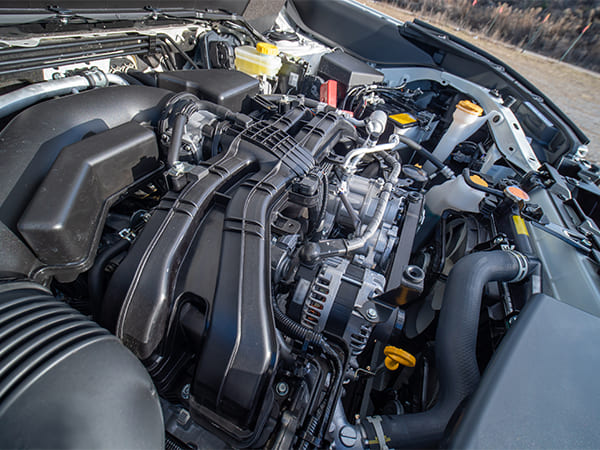
Understanding The Alternator’s Role In Engine Performance
Think of your alternator as your car’s personal generator. It takes the energy produced by your engine’s motion and converts it into electricity. That power runs your electrical components and keeps your battery charged.
Why Voltage Matters
A healthy alternator maintains between 13.8 and 14.4 volts while your engine is running. This steady voltage is critical for the engine control module (ECM), sensors, and spark plugs to work correctly. When voltage drops, your engine struggles to stay consistent — misfires, poor fuel economy, and rough idling soon follow.
Mechanic’s Quote: “If a car’s running rough but the battery checks out, I almost always test the alternator next,” says Mike R., ASE-Certified Master Technician in Spring Park.
Signs Of Alternator Trouble That Affect Engine Performance
When your alternator starts to fail, your vehicle usually gives you several warning signs. Recognizing them early can save you from a roadside breakdown.
Rough Idle Or Stalling
If your car shakes at stoplights or idles unevenly, the ECM might not be getting enough power to regulate fuel-air balance.
Weak Acceleration Or Misfires
Spark plugs rely on constant voltage for precise ignition. When voltage dips, you’ll feel sluggish acceleration, jerky motion, or small misfires.
Dimming Lights Or Flickering Dashboard
If your lights flicker when you rev the engine, it’s a sure sign the alternator isn’t maintaining a steady current.
Warning Icons On The Dashboard
That glowing “battery” or “ALT” light is often your alternator’s way of saying it’s struggling — not necessarily your battery’s fault.
Pro Tip: “If your lights brighten when you rev, your alternator’s voltage regulator is weak,” adds Mike R.
Why Alternators Struggle In Spring Park’s Climate
Spring Park drivers face unique electrical challenges because of Minnesota’s extreme weather.
Cold Weather Demands More Power
Winter mornings mean thicker engine oil, longer crank times, and heavier use of heaters, defrosters, and wipers — all powered by your alternator.
Short Local Trips Limit Recharge Time
Many drivers around Lake Minnetonka make short drives. These trips don’t give your alternator enough time to recharge your battery fully.
Corrosion From Road Salt
Salt and moisture can corrode electrical connections, pulleys, or bearings — silently reducing alternator output.
That’s why regular electrical system checks are a must in areas like Spring Park.
Step-By-Step: What Happens When An Alternator Fails
- Voltage Output Drops Below 13V – The battery begins supplying power instead.
- Battery Discharges Quickly – Headlights, heat, and accessories drain power fast.
- Sensors Malfunction – Inconsistent voltage confuses engine controls, causing rough performance.
- Accessories Shut Down – Windows slow, lights dim, or electronics reset.
- Engine Dies – Once the battery drains, the vehicle shuts off completely and won’t restart.
“Most tows we see for dead batteries are actually bad alternators that failed hours earlier,” says Mike R.
How Mechanics Diagnose Alternator Issues
Charging System Test
Technicians measure voltage under load using diagnostic tools. Healthy alternators output 13.8–14.4 volts.
Belt and Pulley Check
A worn or slipping serpentine belt can cause charging issues even when the alternator is fine.
Battery and Ground Inspection
Weak batteries or corroded grounds create high resistance, forcing the alternator to overwork.
DIY Tip: Turn off all accessories, start your car, and note if the idle steadies. If so, your alternator may not be producing enough voltage under load.
Maintenance Tips To Extend Alternator Life
Here’s a simple table showing how to keep your alternator healthy longer.
| Maintenance Tip | Description |
| Schedule Regular Checks | Ask your mechanic to test your charging system at every oil change or at least twice a year. |
| Watch the Warning Signs | Look for dim lights, noises, or burning smells — common early signs of alternator strain. |
| Clean Your Connections | Remove corrosion from battery terminals to reduce resistance and help the alternator work efficiently. |
| Limit Accessory Use | Turn off heated seats, defrosters, and lights when idling for long periods. |
| Keep It Dry | After washing your car in winter, make sure the alternator area stays dry to prevent corrosion. |
Pro Mechanic Tip: “A two-minute visual check at each oil change can save you a major repair down the road.”
Real-Life Example: How Alternator Issues Affected the Driver’s Engine
Just last winter, a driver from Spring Park stopped by and said, “My headlights keep dimming when I brake, but the car still starts fine.”
Here’s what we found:
- The headlights really did flicker.
- The engine idled roughly at stoplights.
- The battery light would glow faintly on and off.
When we tested it, the alternator was only putting out 11.6 volts — not enough to keep everything running right. After we replaced it:
- The idle smoothed out instantly.
- No more warning light on the dashboard.
- And their gas mileage improved by about 8%.
It’s a good reminder that even small signs can reveal how alternators affect engine performance before things get serious.
What the Research Says About Alternator and Engine Performance
Here’s what experts say about how alternators affect engine performance:
- NHTSA notes that many roadside issues stem from electrical system problems, including alternator failures that impact engine reliability.
- ASE-certified experts explain that unstable alternator voltage can cause rough idling, misfires, and lower fuel efficiency.
In short, when your alternator struggles, your engine performance does too.
Keep Your Engine Healthy and Reliable
Now that you know how alternators affect engine performance, you can spot early signs like dimming lights, rough starts, or slow acceleration before they turn into bigger issues. Staying proactive keeps your engine running smoothly and your wallet happy.
At Certified Auto Repair, our ASE-certified team handles it all — alternator checks, electrical repairs, battery replacements, and even computer recalibrations for modern vehicles. We use advanced factory tools to find issues fast and get you back on the road feeling confident your car’s running right.
Book a quick charging system check today — it’s the easiest way to keep your car ready for anything. Curious to learn more? Browse our related posts for helpful advice on everyday vehicle care and performance tips from trusted experts.
Frequently Asked Questions
How can I tell if it’s the alternator or the battery?
If your car starts after a jump but dies soon after, it’s usually the alternator failing to recharge the battery.
Can a weak alternator make the engine noisy?
Yes. A failing alternator or slipping belt often produces whining or squealing noises that rise with engine RPMs.
Does a failing alternator reduce fuel efficiency?
It can. Inconsistent voltage forces the ECM to adjust constantly, leading to inefficient combustion.
How often should I have my alternator tested in Minnesota?
Twice a year — ideally before winter and summer — since both seasons demand more power from your vehicle.
Is it safe to drive with a weak alternator?
Not for long. Once the battery drains, your car can shut off suddenly. Always get it tested as soon as you suspect trouble.