Every driver has seen that little red battery light come on and felt a twinge of worry. Most people assume the alternator is failing — but sometimes, it’s just a blown fuse. The alternator fuse is a small but vital link in your vehicle’s charging system. If it fails, your battery can’t charge, and your car will eventually stall.
In Spring Park, MN, where winters hit hard and moisture from Lake Minnetonka creeps into electrical components, fuse issues aren’t rare. A quick understanding of the alternator fuse location and purpose can save you from being stuck on Shoreline Drive on a freezing morning.
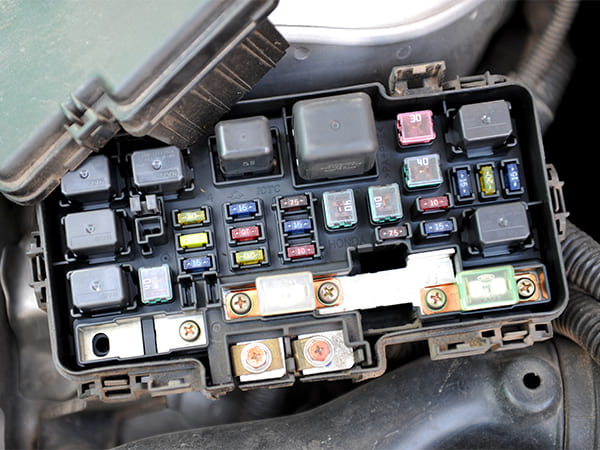
What Exactly Does the Alternator Fuse Do?
The alternator creates power for your car’s electrical system while the engine runs. That power flows through the alternator fuse before reaching your battery and the rest of your vehicle’s electronics.
If something goes wrong — like a shorted wire, a corroded connector, or a voltage spike — the fuse blows to prevent larger damage. It’s your first line of defense against costly alternator or wiring failures.
Mechanic’s Tip:
“Before assuming the alternator’s bad, always check the main fuse. I’ve seen countless drivers replace a good alternator when it was just a five-dollar fuse,” — local ASE-Certified Mechanic, Spring Park.
How Spring Park Conditions Affect Your Alternator Fuse
If you’ve lived in Spring Park long enough, you know our weather can be tough on cars. Between freezing mornings, road salt, and lake humidity, your alternator fuse gets quite the workout.
Here’s what usually happens:
- Cold starts make your alternator push harder to recharge the battery.
- Moisture from Lake Minnetonka sneaks into fuse boxes and causes corrosion.
- Road salt builds up on connectors, creating resistance and heat.
- Heated seats and defrosters add even more load on the charging system.
So when your lights dim or that battery light flickers on during a cold drive down Shoreline Drive, it might not be the alternator — it could just be that little fuse calling for attention.
Step-By-Step Guide to Finding the Alternator Fuse in Your Vehicle
You don’t need to be a professional to locate your alternator fuse — just a little patience and attention to detail.
Step 1: Open the Main Fuse Box
Pop the hood and look for a large plastic box near the battery. Inside, you’ll see several fuses — some small blade types, others large block fuses. Look for labels like ALT, GEN, or MAIN.
If your fuse box doesn’t clearly show those, move to the next step.
Step 2: Trace the Positive Cable
Follow the thick red cable from your alternator toward the battery. Some vehicles hide a fusible link or an inline fuse under protective wrapping. It might look like a short section of wire, but it acts as a fuse.
Step 3: Inspect and Test
Once you locate it, check for obvious damage. A blown alternator fuse might look burned, melted, or cracked. If it looks okay, use a multimeter to test continuity — no beep means it’s open and needs replacement.
Pro Tip:
“Always disconnect the negative battery cable before pulling a fuse. You’ll protect both yourself and your vehicle’s electronics.”
Step 4: Replace and Retest
Replace the fuse with one of the same amperage rating. Using a different size can cause either repeated failures or dangerous overheating. After replacement, start your vehicle and check that the battery light turns off.
When to Let a Professional Handle It
If you’re confident with basic tools, you can safely check or replace a fuse. But when the fuse keeps failing or if you can’t locate it, it’s time to call a pro.
An experienced shop can perform charging-system diagnostics, test alternator output, and inspect grounds, connectors, and wiring harnesses. They’ll also use factory-specific scan tools to identify control-module errors that affect charging performance.
Mechanic’s Insight:
“Many newer cars don’t just have one alternator fuse — they have multiple layers of protection. You might miss the secondary fuse buried in a battery cable unless you have wiring diagrams.”
Real-World Example: Alternator Fuse Repair
Here’s a quick story we see all the time around town:
- A Spring Park driver’s 2015 Honda CR-V wouldn’t start after stopping at Back Channel Brewing.
- The alternator tested fine, but the system wasn’t charging the battery.
- The real problem? A corroded 120-amp alternator fuse was tucked under the battery tray.
Once we cleaned the connection and replaced that fuse, the car charged perfectly again — a $25 fix instead of a $600 alternator replacement.
That’s why knowing your alternator fuse location and purpose matters so much, especially with all the lake air and winter salt we deal with in Spring Park.
What Studies Say About Alternator Fuse Problems
Cold weather and lake air don’t just make your car slow to start — they quietly stress the whole electrical system. Here’s what research shows:
- Cold temperatures make the alternator work harder because batteries lose efficiency in low temperatures.
- Salt and moisture from Minnesota roads corrode fuse contacts, increasing resistance and heat.
- Breakdowns rise in harsh weather due to weakened electrical components and corroded connections.
In short, our local weather gives your alternator fuse more to handle — so a quick seasonal check can prevent a mid-winter surprise.
Key Takeaways for Spring Park Drivers
- The alternator fuse protects your vehicle’s charging system from electrical overload.
- You’ll usually find it in the main fuse box or on the positive battery cable.
- Corrosion, shorts, or reversed polarity are common reasons it fails.
- Check the fuse before assuming the alternator is bad.
- Spring Park’s winter weather makes fuse inspections especially important.
Keep Your Alternator Fuse Working Right
Understanding your alternator fuse location and purpose is one of the simplest ways to keep your vehicle reliable in Minnesota’s changing climate. A small fuse can make the difference between a quick fix and a roadside breakdown.
If your battery light’s on or your car’s losing power, stop by Certified Auto Repair in Spring Park, MN. Our ASE-certified technicians use factory-grade diagnostic tools to handle everything from charging system inspections and fuse replacements to computer reprogramming and complex electrical repairs.
Schedule a quick check or stop in for a diagnostic — we’ll help you catch small issues before they become big ones. For more practical car care advice, check out our posts on battery maintenance, seasonal vehicle prep, and electrical system tips every driver should know.
Frequently Asked Questions
How do I know if my alternator fuse is hidden under the battery?
Many modern cars place the fuse beneath or beside the battery tray. If you don’t see it in the main fuse box, remove the battery cover and check the cable connections.
Can a weak battery blow the alternator fuse?
Yes, indirectly. A failing battery forces the alternator to work harder, increasing current flow. Over time, that stress can weaken the fuse or cause heat-related failure.
Is it safe to drive with a blown alternator fuse?
No. Without the fuse, your alternator can’t charge the battery. The car will eventually stall, leaving you stranded.
Does replacing the alternator automatically replace the fuse?
No. The alternator and fuse are separate components. Always verify the fuse’s integrity after installing a new alternator.
Can I prevent alternator fuse corrosion?
Yes. Applying dielectric grease to fuse terminals and sealing connections helps protect against moisture and salt exposure — especially near Lake Minnetonka.