Ever notice your headlights flicker while driving home from Lake Minnetonka at night? Or maybe your dashboard lights dim when idling at a stoplight in Spring Park, MN? These are more than just small annoyances — they can be early symptoms of a bad voltage regulator.
When the voltage regulator starts to fail, your vehicle’s electrical system can’t keep a steady flow of power. That means your battery, lights, and even your alternator could start acting up. Understanding these warning signs early can help Spring Park drivers avoid unexpected breakdowns and costly repairs later.
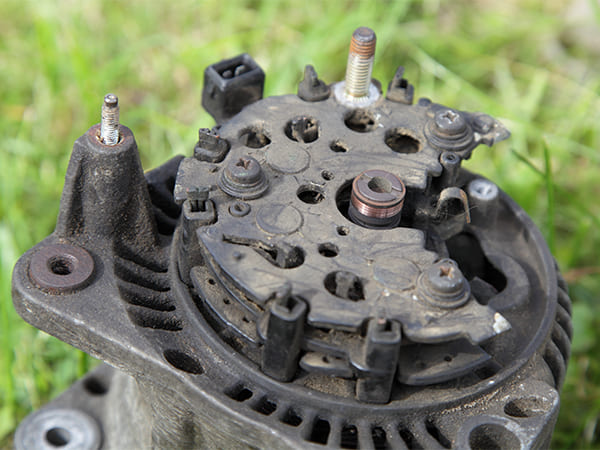
Understanding the Symptoms of a Bad Voltage Regulator
A voltage regulator keeps your car’s electrical system stable. When it fails, the system loses balance — and that can affect everything from your headlights to your dashboard.
Drivers in Spring Park, MN often experience flickering lights or an unexpected battery warning light. These are among the first symptoms of a bad voltage regulator. Catching them early prevents more expensive electrical damage later.
Pro Tip from a Local Mechanic: “When your lights pulse at stoplights or your radio cuts in and out, I check voltage first — it’s often the regulator.”
What a Voltage Regulator Does in Your Car’s Charging System
A voltage regulator manages the alternator’s output, ensuring your battery and electrical systems receive a steady voltage — typically between 13.5 and 14.5 volts while the engine runs.
If the regulator stops working, power can swing too low (undercharging the battery) or too high (overcharging and damaging electronics). Either way, you’ll start noticing symptoms of a bad voltage regulator, such as dimming headlights, warning lights, or a weak battery.
Why Voltage Regulator Problems Are Common in Spring Park, MN
Local driving and weather conditions play a big role. Spring Park drivers face short commutes, moisture from Lake Minnetonka, and extreme temperature shifts. These conditions can corrode electrical connectors and strain the charging system.
Road salt and humidity often accelerate regulator wear — something we see often in our Shoreline Drive auto shop. Short trips also prevent full battery charging, which adds even more stress to the system.
Mechanic’s Note: “I see more voltage regulator issues right after temperature swings — like that first cold snap in November.”
Common Symptoms of a Bad Voltage Regulator
Knowing what to look for can save you time and money. Here are the signs most Spring Park drivers notice first.
Flickering or Dimming Headlights While Driving
If your headlights dim when idling or brighten suddenly when accelerating, that’s a telltale sign of unstable voltage. The regulator may not be holding the voltage steady.
Battery or Check Engine Light Comes On
The battery warning light indicates inconsistent voltage reaching the battery. Don’t assume it’s just the battery — many times, it’s the regulator or alternator.
Erratic Dashboard Gauges
If your speedometer or fuel gauge jumps, the regulator might be sending unstable power to your dashboard systems.
Difficulty Starting or Dead Battery
A malfunctioning regulator can undercharge your battery, leaving it too weak to start your car — especially during cold Minnesota mornings.
Overheating or Burning Smell
An overcharging regulator can generate excessive heat in wiring or the alternator. This is a serious sign that requires immediate inspection.
How Mechanics Diagnose a Bad Voltage Regulator
When you visit a professional auto repair shop in Spring Park, here’s how technicians usually confirm the problem:
- Check system voltage with a multimeter while the engine runs.
- Monitor voltage response under different loads (e.g., lights, heater, wipers).
- Inspect electrical wiring for corrosion or loose grounds.
- Test the alternator output to isolate whether the regulator or alternator is faulty.
- Confirm voltage stability — it should stay steady between 13.5 and 14.5 V.
Pro Tip: “If voltage bounces between 11 V and 16 V while idling, I know it’s regulator trouble almost every time.”
Why Fixing a Bad Voltage Regulator Early Saves Money
A bad regulator affects every component in your electrical system. It can destroy a new battery, burn out the alternator, or damage your engine control module.
According to the National Institute for Automotive Service Excellence (ASE), unstable voltage is one of the top causes of early battery failure. Repairing the regulator early costs far less than replacing multiple electrical components later.
Reliable voltage means reliable starts, especially during Spring Park’s cold winters or lake-humid summers.
Case Study: Fixing a Bad Voltage Regulator for a Driver
One driver came in complaining that their SUV lights flickered while driving home from Surfside Park. The dashboard gauges bounced, and the radio kept resetting.
After testing, our technician found voltage jumping between 11 V and 15.9 V — clear symptoms of a bad voltage regulator. We replaced the regulator (built into the alternator), and the problem was solved immediately.
Mechanic Quote: “That kind of voltage swing can fry your car’s computer if you ignore it. It’s a simple fix that prevents expensive damage.”
How to Prevent Voltage Regulator Problems
Maintenance helps prevent regulator failure before it starts.
- Get your charging system tested yearly. Most shops can do this quickly.
- Clean battery terminals regularly, especially after winter.
- Avoid short trips only. Longer drives allow full battery recharge.
- Inspect belts and connections. Loose or worn belts cause charging issues.
Following these simple habits reduces the chance of seeing symptoms of a bad voltage regulator in Spring Park, MN again.
Supporting Data and Authority on Voltage Regulator Issues
Reliable research supports what local mechanics see every day — unstable voltage can lead to serious electrical failures if ignored.
- ASE recommends testing voltage regulators during every inspection to ensure readings stay between 13.5–14.5 volts.
- NHTSA lists electrical system failures among the top causes of breakdowns and power loss in vehicles.
These trusted sources reinforce why Spring Park, MN drivers should test their charging systems regularly to prevent voltage-related failures.
Stay Powered Up in Spring Park, MN
If you’ve noticed flickering lights, dim gauges, or slow starts, these are common symptoms of a bad voltage regulator. Ignoring them can lead to bigger electrical problems and costly repairs later on.
At Certified Auto Repair, our ASE-certified technicians use advanced diagnostic tools to test your charging system and pinpoint voltage issues quickly. A short visit can prevent major electrical failures and keep your car reliable through Minnesota’s toughest weather.
Ready to keep your car powered up? Schedule a charging system check or ask about a voltage regulator test during your next service visit. For more helpful advice, explore our related guides on alternator warning signs and battery care tips.
Frequently Asked Questions
Why Do Voltage Regulators Fail in Cold Weather?
Cold weather thickens engine oil and increases starting load, putting extra stress on the charging system. This can push a weak regulator past its limit.
Can a Bad Voltage Regulator Cause My Car to Stall While Driving?
Yes. If the voltage suddenly drops, electronic components may lose power, causing stalling or rough idling.
How Often Should I Check My Voltage Regulator in Spring Park, MN?
Have it checked at least once a year, ideally before winter. This ensures stable voltage during cold-weather starts.
Can I Replace a Voltage Regulator Myself?
Only if you have electrical experience and the right tools. Many modern vehicles integrate the regulator into the alternator, requiring professional service.
What Happens If I Ignore a Bad Voltage Regulator?
Ignoring it can cause overcharging, burning wires, or complete alternator failure. It’s safer and cheaper to test it early.